Translate this page into:

Editorial for WIROC 22 Issue

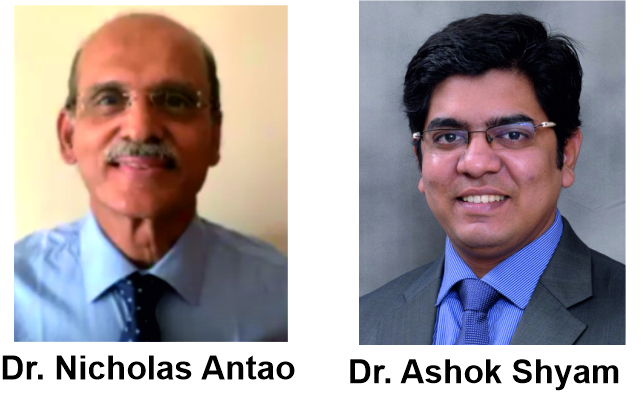
Journal of Clinical Orthopaedics | Vol 7 | Issue 1 |  Jan-Jun 2022 | page: 1 | Dr. Nicholas Antao, Dr. Ashok Shyam

DOI: 10.13107/jcorth.2022.v07i01.453


Author: Dr. Nicholas Antao [1], Dr. Ashok Shyam [2]

[1] Department of Orthopaedics, Hill Way Clinic, Hill N Dale Building, 4th Floor, Hill Road, Bandra West, Mumbai, Maharashtra, India
[2] Department of Orthopaedics, Sancheti Institute for Orthopaedics and Rehablitation, Pune, India

Address of Correspondence
Dr. Nicholas Antao
Head of Department of Orthopaedics, Holy Spirit Hospital, Mahakali Road, Andheri (E), Mumbai – 400093, Maharashtra, India.
Email: narantao@gmail.com


Editorial for WIROC 22 Issue

The 2019 WIROC issue featured the first symposium on surgical site infections, spearheaded by Dr. Gautam Zaveri. Our symposium in the 2022 WIROC issue, the brainchild of Dr. Vishall Kundnani and team, features a special on spine pathology. It has contributions from stalwarts of spinal surgery all over India in the form of case reports, review articles, original articles, imaging and diagnostic tests, meta-analysis, arthroscopy-assisted spinal surgery, and current trends in spinal surgery. It provides insight into the challenges associated with the diagnosis and management of various spinal ailments, which can cause our patients significant distress.

Our four guest editorials include heart-warming messages from Dr. S. Gawhale, Bombay Orthopedic Society President, Dr. Kushall Kundnani, Dr. K. Badani, and Dr. Kshitij Chaudhary. We are fortunate that Dr. Bhaskar Anand, winner of Indian Society of Hand Surgery Award for lifetime achievement, has contributed his rich experience in dealing with CLUB hand. We feature a highly informative review article on management of the 1st time shoulder dislocators as well as an inspiring research article on newer concepts in the 1st time patellar dislocators. An original article summarizing the technique of Arthroscopic Latarjet management of shoulder instability is particular enlightening as it simplifies a difficult surgery in a succinct manner.

The landscape of joint replacement surgery is ever changing with newer techniques of uncemented knee joint replacement receiving positive reviews in meta-analyses. Therefore, we have also featured an article on cementless knee replacement, which is an eye opener to the progress of science and technology. An article on the severity of violence of irate patient relatives toward doctors is frightening, but thought provoking. It guides the reader on how to take various preventive measures when faced with aggression and violence. The role of ultrasonography of the hip reveals how hip pathologies can be identified in their infancy, especially in the neonatal setting. Finally, a potpourri of articles in trauma of the foot and ankle is both stimulating and informative.

I am certain our readers will be enriched by the information discussed in this issue and utilize the knowledge gained to provide the
best evidence-based care to their patients.

Dr. Nicholas Antao.
Dr. Ashok Shyam.


How to Cite this article: Antao N, Shyam AK. Editorial for WIROC 22 Issue. Journal of Clinical Orthopaedics Jan-Jun 2022;7(1):1.


(Abstract    Full Text HTML)   (Download PDF)


Translate this page into:

Citizens Make Cities

Journal of Clinical Orthopaedics | Vol 7 | Issue 1 |  Jan-Jun 2022 | page: 139-142 | Sandeep Kelshikar, Lata Ghanshamnani, Leena Kelshikar

 DOI:10.13107/jcorth.2022.v07i01.499


Author: Sandeep Kelshikar [1], Lata Ghanshamnani [2], Leena Kelshikar [3]

[1] Department of Orthopaedics, Dr Kelshikar’s Orthopaedic Hospital, Thane, India

[2] DOMS Ophthalmology, Senses Eye & ENT Hospital, Thane, India

[3] Anaesthesiology, Dr Kelshikar’s Orthopaedic hospital, Thane, India

Address of Correspondence
Dr. Sandeep Kelshikar,
Department of Orthopaedics, Dr Kelshikar’s Orthopaedic Hospital, Thane, India.
Email: kelshikarshospital@gmail.com


Citizens Make Cities

A smart & sustainable city is built by active participation of its citizens. Ever growing cities need efficient resource management.

We doctors are trained to deliver our best with limited resources at our disposal. Medical training enables us to analyze, priorities and design out of the box solutions to give best results in toughest situations.

So as doctors when we started a not for profit organization, RNisarg foundation we knew we would be able to give our best.
With the vision to make cities livable, focus area chosen were:

• Waste
• Road safety

Both issues have deep rooted connect with planet health and thereby human health. At RNisarg Foundation, innovative projects are designed to bring unknowingly right behavioral change in society. Basic right to clean air, water and soil are worked on through awareness and working tools for the citizens to live by.


Founders
Dr. Lata Ghanshamnani, MS, DNB, DOMS

Dr. Leena Kelshikar, MBBS, D.A

Dr. Veena Angadi, M.Sc, M.Phil

Dr. Sandeep Kelshikar MS, D. Ortho

Dr. Kamal Ghanshamnani, MS


How to Cite this article: Kelshikar S, Ghanshamnani L, Kelshikar L. Citizens make Cities. Journal of Clinical Orthopaedics Jan-Jun 2022;7(1):139-142.


(Abstract    Full Text HTML)   (Download PDF)


Translate this page into:

Clinical Outcome of Patella Stability after Fixation of Osteochondral Fracture in Acute Primary Traumatic Patella Dislocation Without MPFL Repair or Reconstruction

Journal of Clinical Orthopaedics | Vol 7 | Issue 1 |  Jan-Jun 2022 | page: 110-115 | Mukesh Laddha, Anshul Pancholiya, Sahu Gaurav

DOI: 10.13107/jcorth.2022.v07i01.489


Author: Mukesh Laddha [1], Anshul Pancholiya [2], Sahu Gaurav [3]

[1] Department of Robotic Joint Replacement and Arthroscopy, RNH Hospital, Nagpur, Maharashtra, India.
[2] Department of Adult Reconstruction and Sports Medicine, RNH Hospital, Nagpur, Maharashtra, India.
[3] Department of Orthopaedic Surgery, Dhamtari Christian Hospital, Dhamtari, Chhattisgarh, India.


Address of Correspondence
Dr. Mukesh Laddha,
Department of Robotic Joint Replacement and Arthroscopy, RNH Hospital, Balraj Marg, Dhantoli, Nagpur, Maharashtra, 440012, India.
E-mail: drmsl1812@gmail.com


Abstract

Introduction: Conservative management is advisable for acute primary traumatic patella dislocation (PTPD). Surgical treatment is reserved for osteochondral fractures (OCF), medial patello femoral ligament (MPFL) avulsion/tear, compound injuries, and any underlying bony abnormalities requiring correction. MPFL repair (at avulsed site) or reconstruction along with underlying bony correction in PTPD is controversial. The purpose of this study is to evaluate patella stability after fixation of OCF in PTPD without performing MPFL repair or reconstruction, even in the presence of any underlying bony abnormalities.

Material and Methods: This is a retrospective study of eight patients who had PTPD with OCF along with MPFL injury who presented between 2016 and 2019. Pre-operative X-rays and MRI were done to assess the status of MPFL, identify the presence of OCF and to calculate Insall-Salvati index, Tibial Tuberosity-Trochlear groove distance and Trochlear dysplasia. All patients underwent surgery by open approach and OCF fixation by bioabsorbable pins or suture material. MPFL was neither repaired at avulsed site nor reconstructed and even no bony corrections were done.

Results: Average size of OCF fragments is 15*7 mm and all involving medial facet of patella. Lysholm score improved significantly from 32.8 to 94.8 and Kujala score from 49.1 to 96 at the end of 6 months. None of the patient had patella instability till latest follow-up, average follow-up period is 4.5 years (3–6 years). Clinically, apprehension test was negative in all cases with full ROM. Post-operative imaging including X-ray and MRI showed complete healing of the OCF along with complete healing/regeneration of MPFL with same pre-existing bony abnormalities if present preoperatively.

Conclusion: This study shows excellent patella stability and full knee function along with complete union of OCF and complete healing/regeneration of MPFL in PTPD even in the presence of underlying bony abnormality. Hence, in PTPD with OCF, there is no need to repair/reconstruct MPFL or to correct underlying bony pathology, only OCF fixation is required.

Keywords: Patella dislocation, traumatic osteochondral fracture, medial patello femoral ligament, Lysholm and Kujala score


References

  1. Stefancin JJ, Parker RD. First-time traumatic patellar dislocation: A systematic review. Clin Orthop Relat Res 2007;455:93-101.
  2. Sillanpaa P, Mattila VM, Iivonen T, Visuri T, Pihlajamaki H. Incidence and risk factors of acute traumatic primary patellar dislocation. Med Sci Sports Exerc 2008;40:606-11.
  3. Virolainen H, Visuri T, Kuusela T. Acute dislocation of the patella: MR findings. Radiology 1993;189:243-6.
  4. Kirsch MD, Fitzgerald SW, Friedman H, Rogers LF. Transient lateral patellar dislocation: Diagnosis with MR imaging. AJR Am J Roentgenol 1993;161:109-13.
  5. Hsiao M, Owens BD, Burks R, Sturdivant RX, Cameron KL. Incidence of acute traumatic patellar dislocation among active-duty United States military service members. Am J Sports Med 2010;38:1997-2004.
  6. Runow A. The dislocating patella, Etiology and prognosis in relation to generalized joint laxity and anatomy of the patellar articulation. Acta Orthop Scand Suppl 1983;201:1-53.
  7. Maenpaa H, Lehto MU. Patellar dislocation has predisposing factors, A roentgenographic study on lateral and tangential views in patients and healthy controls. Knee Surg Sports Traumatol Arthrosc 1996;4:212-6.
  8. Elgafy H, El-Kawy S, Elsafy M, Ebraheim NA. Internal torsion of the distal femur as a cause of habitual dislocation of the patella:
    Acase report and a review of causes of patellar dislocation. Am J Orthop (Belle Mead NJ) 2005;34:246-8.
  9. Malghem J, Maldague B. Depth insufficiency of the proximal trochlear groove on lateral radiographs of the knee: Relation to patellar dislocation. Radiology 1989;170:507-10.
  10. Dejour H, Walch G, Nove-Josserand L, Guier C. Factors of patellar instability: An anatomic radiographic study. Knee Surg Sports Traumatol Arthrosc 1994;2:19-26.
  11. Insall J, Goldberg V, Salvati E. Recurrent dislocation and the high-riding patella. Clin Orthop Relat Res 1972;88:67-9.
  12. Blackburne JS, Peel TE. A new method of measuring patellar height. J Bone Joint Surg Br 1977;59:241-2.
  13. Rorabeck CH, Bobechko WP. Acute dislocation of the patella with osteochondral fracture: Areview of eighteen cases. J Bone Joint Surg Br 1976;58:237-40.
  14. Hawkins RJ, Bell RH, Anisette G. Acute patellar dislocations. The natural history. Am J Sports Med 1986;14:117-20.
  15. Owens BD, Jordan CP, Ross AE, Nelson BJ, Taylor DC, DeBerardino TM. Surgical treatment of acute patella dislocations: Review of 13 consecutive cases from Keller army hospital. Open Sports Med J 2008;2:82-4.
  16. Camanho G, Viegas A, Bitar A, Demange M, Hernandez A. Conservative versus surgical treatment for repair of the medial patellofemoral ligament in acute dislocations of the patella. Arthroscopy 2009;25:620-5.
  17. Sallay PI, Poggi J, Speer KP, Garrett WE. Acute dislocation of the patella: A correlative pathoanatomic study. Am J Sports Med 1996;24:52-60.
  18. Ahmad CS, Stein BE, Matuz D, Henry JH. Immediate surgical repair of the medial patellar staibilizers for acute patellar dislocation. Am J Sports Med 2000;28:804-10.
  19. Harilainen A, Myllynen P, Antila H, Seitsalo S. The significance of arthroscopy and examination under anaesthesia in the diagnosis of fresh injury haemarthrosis of the knee joint. Injury 1988;19:21-4.
  20. Fithian DC, Paxton EW, Stone ML, Silva P, Davis DK, Elias DA, et al. Epidemiology and natural history of acute patellar dislocation. Am J Sports Med 2004;32:1114-21.
  21. Smirk C, Morris H. The anatomy and reconstruction of the medial patellofemoral ligament. Knee 2003;10:221-7.
  22. Maenpaa H, Lehto MU. Patellar dislocation: The long-term results of nonoperative management in 100 patients. Am J Sports Med 1997;25:213-7.
  23. Goutallier D, Bernageau J, Lecudonnec B. The measurement of the tibial tuberosity. Patella groove distanced technique and results. Rev Chir Orthop Reparatrice Appar Mot 1978;64:423- 8.
  24. Wiberg G. Roentgeno graphic and anatomic studies on the patell of emoral joint. Acta Orthop Scand 1941;12:319-410.
  25. Demey G, Servien E, Debarge R, Lustig S, Si Selmi TA. Current management of episodic patellar dislocations (place of medial patell of emoralligament reconstruction), Maitr Orthop 2009;186-24.
  26. Maenpaa H, Huhtala H, Lehto MU. Recurrence after patellar dislocation. Redislocation in 37/75 patients followed for 6-24 years. Acta Orthop Scand 1997;68:424-6.
  27. Vainionpaa S, Laasonen E, Silvennoinen T, Vasenius J, Rokkanen P. Acute dislocation of the patella, A prospective review of operative treatment. J Bone Joint Surg Br 1990;72:366-9.
  28. Nikku R, Nietosvaara Y, Kallio PE, Aalto K, Michelsson JE. Operative versus closed treatment of primary dislocation of the patella. Similar 2-year results in 125 randomized patients. Acta Orthop Scand 1997;68:419-23.
  29. Harilainen A, Sandelin J. Prospective long-term results of operative treatment in primary dislocation of the patella. Knee Surg Sports Traumatol Arthrosc 1993;1:100-3.
  30. Cash JD, Hughston JC. Treatment of acute patellar dislocation. Am J Sports Med 1988;16:244-9.
  31. Larsen E, Lauridsen F. Conservative treatment of patellar dislocations. Influence of evident factors on the tendency to redislocation and the therapeutic result. Clin Orthop Relat Res 1982;171:131-6.
  32. Cofield RH, Bryan RS. Acute dislocation of the patella: Results of conservative treatment. J Trauma 1977;17:526-31.
  33. Sillanpaa PJ, Mattila VM, Maenpaa H, Kiuru M, Visuri T, Pihlajamaki H. Treatment with and without initial stabilizing surgery for primary traumatic patellar dislocation. Aprospective randomized study. J Bone Joint Surg Am 2009;91:263-73.
  34. Garth WP Jr., DiChristina DG, Holt G. Delayed proximal repair and distal realignment after patellar dislocation. Clin Orthop Relat Res 2000;377:132-44.
  35. Desio SM, Burks RT, Bachus KN. Soft tissue restraints to lateral patellar translation in the human knee. Am J Sports Med 1998;26:59-65.
  36. Hautamaa PV, Fithian DC, Kaufman KR, Daniel DM, Pohlmeyer AM. Medial soft tissue restraints in lateral patellar instability and repair. Clin Orthop Relat Res 1998;349:174-82.
  37. Tsai CH, Hsu CJ, Hung CH, Hsu HC. Primary traumatic patellar dislocation. J Orthop Surg Res 2012;7:21.
  38. Johnson DS, Turner PG. Management of the first-time lateral patellar dislocation. Knee 2019;26:1161-5.


How to Cite this article: Laddha M, Pancholiya A, Gaurav S. Clinical outcome of patella stability after fixation of osteochondral fracture in acute primary traumatic patella dislocation without MPFL repair or reconstruction. Journal of Clinical Orthopaedics Jan-Jun 2022;7(1):110-115.

 (Abstract    Full Text HTML)   (Download PDF)


Translate this page into:

A systematic review and meta-analysis: Postoperative outcome comparison of intramedullary nailing and external fixation in charcot neuroarthropathy

Journal of Clinical Orthopaedics | Vol 7 | Issue 1 |  Jan-Jun 2022 | page: 60-63 | Cok Gde Oka Dharmayuda, Dewa Gede Bracika, Kenji Arnaya, Sri Mahadana, Putu Teguh Aryanugraha, Benedictus Deriano, Nariswati Anggapadmi Wiraputri, I Ketut Gede Surya Pranata

DOI:10.13107/jcorth.2022.v07i01.473


Author: Cok Gde Oka Dharmayuda [1], Dewa Gede Bracika [2], Kenji Arnaya [2], Sri Mahadana [2], Putu Teguh Aryanugraha [2], Benedictus Deriano [2], Nariswati Anggapadmi Wiraputri [2], I Ketut Gede Surya Pranata [2]

[1] Consultant of Orthopaedic and Traumatogy Department, Faculty of Medicine Udayana University, Indonesia.

[2] Resident of Orthopaedic and Traumatogy Department, Faculty of Medicine Udayana University, Indonesia.

Address of Correspondence
Dr. Cok Gde Oka Dharmayuda,
Diponegoro St., Dauh Puri Klod, Kec. Denpasar Bar., Kota Denpasar, Bali 80113, Indonesia.
E-mail: suthenoandrew@gmail.com


Abstract

Charcot neuropathic osteoarthropathy or neuroarthropathy of the foot and ankle is due to sensory and motor neuropathies which lead to a chronic and progressive destruction of the foot architecture involving bones, joints, and soft tissues. The aim of the present study was to compare the results of EF and retrograde IMN in ankle arthrodesis for patients with Charcot neuroarthropathy of the ankle joint. This study conducted following the Preferred Reporting Items for Systematic Reviews and Meta-analysis statement. Literature Search was done on using the databases of PubMed, EMBASE, and Cochrane Library were systematically retrieved. From the selected databases, 205 references were obtained. By screening the titles and abstracts, 48 references were excluded The remaining potentially relevant 12 studies underwent a detailed and comprehensive evaluation. Finally, five studies were included in our meta-analysis. Based on the report in this meta-analysis, IMN could showed better results compared to EF for Charcot joint arthrodesis, with IMN showing higher rate of fusion, and lesser risk of complication.

Keywords: Systematic Review, Meta-analysis, Charcot Neuroarthropathy, Intramedullary Nailing, External Fixation


References

  1. Yammine K, Assi C. Intramedullary nail versus external fixator for ankle arthrodesis in Charcot neuroarthropathy: A meta-analysis of comparative studies. J Orthop Surg (Hong Kong) 2019;27:1-7.
  2. Cianni L, Bocchi MB, Vitiello R, Greco T, de Marco D, Masci G, et al. Arthrodesis in the Charcot foot: A systematic review. Orthop Rev (Pavia) 2020;12 Suppl 1:8670.
  3. Dayton P, Feilmeier M, Thompson M, Whitehouse P, Reimer RA. Comparison of complications for internal and external fixation for charcot reconstruction: A systematic review. J Foot Ankle Surg 2015;54:1072-5.
  4. Almaadany FS, Samadov E, Namazov I, Jafarova S, Ramshorst GH, Pattyn P, et al. Mortality and pulmonary complications in patients undergoing surgery with perioperative sars-cov-2 infection: An international cohort study. Lancet 2020;396:27-38.
  5. Devries JG, Berlet GC, Hyer CF. A retrospective comparative analysis of charcot ankle stabilization using an intramedullary rod  with or without application of circular external fixator-utilization of the retrograde arthrodesis intramedullary nail database. J  Foot Ankle Surg 2012;51:420-5.
  6. Ettinger S, Plaass C, Claassen L, Stukenborg-Colsman C, Yao D, Daniilidis K. Surgical management of charcot deformity for the  Foot and ankle-radiologic outcome after internal/external fixation. J Foot Ankle Surg 2016;55:522-8.
  7. Richman J, Cota A, Weinfeld S. Intramedullary nailing and external ring fixation for tibiotalocalcaneal arthrodesis in charcot arthropathy. Foot Ankle Int 2017;38:149-52.
  8. Elalfy B, Ali AM, Fawzy SI. Ilizarov external fixator versus retrograde intramedullary nailing for ankle joint arthrodesis in diabetic charcot neuroarthropathy. J Foot Ankle Surg 2017;56:309-13.


How to Cite this article: Dharmayuda CGO, Bracika DG, Arnaya K, Mahadana S, Aryanugraha PT, Deriano B, Wiraputri NA, Pranata IKGS. A systematic review and meta-analysis: Postoperative outcome comparison of intramedullary nailing and external fixation in charcot neuroarthropathy. Journal of Clinical Orthopaedics Jan-Jun 2022;7(1):60-63.

 (Abstract    Full Text HTML)   (Download PDF)


Translate this page into:

Thoracolumbar kyphosis in siblings of Mucopolysaccharidosis: A case report

Journal of Clinical Orthopaedics | Vol 7 | Issue 1 |  Jan-Jun 2022 | page: 116-121 | Sharvin Sheth, Amit Jhala

DOI: 10.13107/jcorth.2022.v07i01.491


Author: Sharvin Sheth [1], Amit Jhala [1]

[1] Department of Spine Surgery, HCG Hospitals, Ahmedabad – 380006, India


Address of Correspondence
Dr. Amit Jhala,
Consultant Spine Surgeon and Chief, Department. of Spine Surgery, HCG Hospitals, Mithakali 6-roads, Ahmedabad, 380006, India.
E-mail: acjhala@gmail.com


Abstract

Mucopolysaccharidosis (MPS) is a group of inherited metabolic disorders caused due to abnormal storage of mucopolysaccharides in different tissues of the body. They are autosomal recessive disorders, except MPS II which has an X-linked recessive pattern. Musculoskeletal manifestations occur due to disturbance in bone remodeling and improper development of ossification centers. Thoracolumbar kyphosis is the most common spinal pathology resulting from abnormal vertebral end plate ossification and growth arrest as well as hypotonia and spinal musculature imbalance. The increased life span as a result of medical treatment and lack of osseous penetration of enzyme replacement has raised the issue of thoracolumbar dysplasia and resultant deformity. Here, we discuss a case report of progressive thoracolumbar spinal deformity in two siblings suffering from MPS who underwent spine deformity correction surgeries, and literature review for the same.

Keywords: Mucopolysaccharidosis, spine deformity, scoliosis correction


References

  1.  Lowry RB, Renwick DH. Relative frequency of the Hurler and Hunter syndromes. N Engl J Med 1971;284:221-2.
  2. Muenzer J. The mucopolysaccharidoses: A heterogeneous group of disorders with variable paediatric presentations. J Pediatr 2004;144 Suppl 5:S27-34.
  3. Meikle PJ, Hopwood JJ, Clague AE, Carey WF. Prevalence of lysosomal storage disorders. JAMA 1999;281:249-54.
  4. Hopwood JJ, Morris CP. The mucopolysaccharidoses: Diagnosis, molecular genetics and treatment. Mol Biol Med 1990;7:381-404.
  5. Natowicz MR, Short MP, Wang Y, Dickersin GR, Gebhardt MC, Rosenthal DI, et al. Clinical and biochemical manifestations of hyaluronidase deficiency. N Engl J Med 1996;335:1029-33.
  6. Rekka P, Rathna PV, Jagadeesh S, Seshadri S. Mucopolysaccharidoses Type IV A(Morquio syndrome): Acase series of three siblings. J Indian Soc Pedod Prev Dent 2012;30:66-9.
  7. Garn SM, Hurme VO. Dental defects in three siblings afflicted. with Morquio’s disease. Br Dent J 1952;93:210-2.
  8. Schmidt M, Breyer S, Löbel U, Yarar S, Stücker R, Ullrich K, et al. Musculoskeletal manifestations in mucopolysaccharidosis Type I (Hurler syndrome) following hematopoietic stem cell transplantation. Orphanet J Rare Dis 2016;11:93.
  9. White KK. Orthopaedic aspects of mucopolysaccharidoses. Rheumatology (Oxford) 2011;50 Suppl 5:v26-33.
  10. Muenzer J, Wraith JE, Clarke LA. Mucopolysaccharidosis I: Management and treatment guidelines. Pediatrics 2009;123:19-29.
  11. Wilson S, Brömme D. Potential role of cathepsin K in the pathophysiology of mucopolysaccharidoses. J Pediatr Rehabil Med 2010;3:139-46.
  12. Simonaro CM, D’Angelo M, He X, Eliyahu E, Shtraizent N, Haskins ME, et al. Mechanism of glycosaminoglycan-mediated bone and joint disease: Implications for the mucopolysaccharidoses and other connective tissue diseases. Am J Pathol 2008;172:112-22.
  13. Simonaro CM, Ge Y, Eliyahu E, He X, Jepsen KJ, Schuchman EH. Involvement of the Toll-like receptor 4 pathway and use of TNF-alpha antagonists for treatment of the mucopolysaccharidoses. Proc Natl Acad Sci USA 2010;107:222-7.
  14. Roberts SB, Dryden R, Tsirikos AI. Thoracolumbar kyphosis in patients with mucopolysaccharidoses: Clinical outcomes and predictive radiographic factors for progression of deformity. Bone Joint J 2016 Feb;98-B:229-37.
  15. Tandon V, Williamson JB, Cowie RA, Wraith JE. Spinal problems in mucopolysaccharidosis I (Hurler syndrome). J Bone Joint Surg Br 1996;78:938-44.
  16. Taccone A, Donati PT, Marzoli A, Dell’Acqua A, Gatti R, Leone D. Mucopolysaccharidosis: Thickening of dura mater at the craniocervical junction and other CT/MRI findings. Pediatr Radiol 1993;23:349-52.
  17. Dickson PI, Ellinwood NM, Brown JR, Witt RG, Le SQ, Passage MB, et al. Specific antibody titer alters the effectiveness of intrathecal enzyme replacement therapy in canine mucopolysaccharidosis I. Mol Genet Metab 2012;106:68-72.
  18. Hite SH, Peters C, Krivit W. Correction of odontoid dysplasia following bone-marrow transplantation and engraftment (in Hurler syndrome MPS 1H). Pediatr Radiol 2000;30:464-70.
  19. Miebach E, Church H, Cooper A, Mercer J, Tylee K, Wynn RF, et al. The craniocervical junction following successful haematopoietic stem cell transplantation for mucopolysaccharidosis Type I H (Hurler syndrome). J Inherit Metab Dis 2011;34:755-61.
  20. Yasin MN, Sacho R, Oxborrow NJ, Wraith JE, Williamson JB, Siddique I. Thoracolumbar kyphosis in treated mucopolysaccharidosis 1 (Hurler syndrome). Spine (Phila Pa. 1976) 2014;39:381-7.
  21. van der Linden MH, Kruyt MC, Sakkers RJ, de Koning TJ, Oner FC, Castelein RM. Orthopaedic management of Hurler’s disease after hematopoietic stem cell transplantation: A systematic review. J Inherit Metab Dis 2011;34:657-69.
  22. Souillet G, Guffon N, Maire I, Pujol M, Taylor P, Sevin F, et al. Outcome of 27 patients with Hurler’s syndrome transplanted from either related or unrelated haematopoietic stem cell sources. Bone Marrow Transplant 2003;31:1105-17.
  23. Clarke LA, Wraith JE, Beck M, Kolodny EH, Pastores GM, Muenzer J, et al. Long-term efficacy and safety of laronidase in the treatment of mucopolysaccharidosis I. Pediatrics 2009;123:229-40.
  24. Muenzer J, Beck M, Eng CM, Giugliani R, Harmatz P, Martin R, et al. Long-term, open-labeled extension study of idursulfase in the treatment of Hunter syndrome. Genet Med 2011;13:95-101.
  25. Weisstein JS, Delgado E, Steinbach LS, Hart K, Packman S. Musculoskeletal manifestations of Hurler syndrome: Long-term follow-up after bone marrow trans-plantation. J Pediatr Orthop 2004;24:97-101.
  26. Dornelles AD, de Camargo Pinto LL, de Paula AC, Steiner CE, Lourenço CM, Kim CA, et al. Enzyme replacement therapy for Mucopolysaccharidosis Type I among patients followed within the MPS Brazil network. Genet Mol Biol 2014;37:23-9.
  27. Stoop FJ. Prevalence and development of orthopaedic symptoms in the dutch hurler patient population after haematopoietic stem cell transplantation. JIMD Rep 2013;9:17-29.
  28. Mac-Thiong JM, Labelle H, Berthonnaud E, Betz RR, Roussouly P. Sagittal spinopelvic balance in normal children and adolescents. Eur Spine J 2007;16:227-34.
  29. Genevois KA, Garin C, Solla F, Guffon N, Kohler R. Surgical management of thoracolumbar kyphosis in mucopolysaccharidosis Type 1 in a reference center. J Inherit Metab Dis 2014;37:69-78.
  30. Dalvie SS, Noordeen MH, Vellodi A. Anterior instrumented fusion for thoracolumbar kyphosis in mucopolysaccharidosis. Spine (Phila Pa 1976) 2001;26:E539-41.
  31. Ain MC, Browne JA. Spinal arthrodesis with instrumentation for thoracolumbar kyphosis in pediatric achondroplasia. Spine (Phila Pa 1976) 2004;29:2075-80.
  32. McMaster MJ, Glasby MA, Singh H, Cunningham S. Lung function in congenital kyphosis and kyphoscoliosis. J Spinal Disord Tech 2007;20:203-8.


How to Cite this article: Sheth S, Jhala A. Thoracolumbar Kyphosis in Siblings of Mucopolysaccharidosis: A Case Report.. Journal of Clinical Orthopaedics Jan-Jun 2022;7(1):116-121.

 (Abstract    Full Text HTML)   (Download PDF)


Translate this page into:

Navigate and Succeed: MI-Transforminal Lumbar Interbody Fusion with Three-Dimensional Navigation

Journal of Clinical Orthopaedics | Vol 7 | Issue 1 |  Jan-Jun 2022 | page: 28-39 | Arvind G Kulkarni, Pradhyumn Rathi, Pritem A Rajamani

DOI:10.13107/jcorth.2022.v07i01.463


Author: Arvind G Kulkarni [1], Pradhyumn Rathi [1], Pritem A Rajamani [1]

[1] Mumbai Spine Scoliosis and Disc Replacement Centre, Bombay Hospital, Mumbai, Maharashtra, India

Presented work performed at Saifee Hospital, Mumbai, India

Address of Correspondence
Dr. Arvind G Kulkarni,
Mumbai Spine Scoliosis and Disc Replacement Centre, Bombay Hospital, Mumbai, Maharashtra, India.
E-mail: drarvindspines@gmail.com


Abstract

Introduction: Lumbar Interbody Fusion (TLIF) has become a popular technique for achieving segmental interbody fusion and minimal access approach has its advantages. We have described the various Components in Spine Navigation Systems and how they have evolved in time and also describing our technique in detail. We have discussed on the advantages and disadvantages of the minimal access and use of Navigation.

Method: The authors ventured to assess the impact of 3D navigation in 117 patients that were treated with single level 3D navigated MI-TLIF in evaluating, Navigation setting time , Radiation exposure, Disc space preparation, Cage placement, Accuracy of pedicle screw placement, Cranial facet violation and Evaluation of canal decompression.

Result: Total time taken for setting up of navigation was 46.65±9.45 min. Average Radiation exposure was 5.69 mSv. In our study, the amount of disc removed was 75% in the ipsilateral anterior, 81% in ipsilateral posterior, 63% in contralateral anterior and 43% in contralateral posterior quadrants. The cage position was central in 87 patients, contralateral antero-central in six patients and ipsilateral postero-central in eight patients. The mean intraoperative blood loss was 89.65 ± 23.67 ml. Regarding accuracy 95.6% showed grade 0 and 4.4% had Grade 1 pedicle breach. Only 25 out of 408 pedicle screws (6.1%) violated the cranial facet joint. The navigation array probe was utilized to verify the adequacy of decompression and to confirm the anatomical landmarks. In our study, no surgical site infection was seen.

Conclusion: We find MIS to be associated with less post-operative infection rates as compared to open techniques. With 3D navigation, MIS becomes safer and highly accurate. MIS-TLIF with 3D navigation have satisfactory clinical outcomes and fusion rates with the additional benefits of less initial postoperative pain, less blood loss, earlier rehabilitation, and shorter hospitalization. MIS–TLIF with 3D navigation is a more cost-effective treatment than MIS-TLIF with fluoroscopy.

Keywords: Lumbar Vertebrae, Minimally Invasive Surgical Procedures, Neuronavigation, Spinal Fusion


References

  1. Eliyas JK, Karahalios D. Surgery for degenerative lumbar spine disease. Dis Mon 2011;57:592-606.
  2. Vaccaro AR, Bono CM. Minimally Invasive Spine Surgery. Florida, United States: CRC Press; 2007.
  3. Foley KT, Holly LT, Schwender JD. Minimally Invasive lumbar fusion. Spine (Phila Pa 1976) 2003;28:S26-35.
  4. Kim MC, Chung HT, Cho JL, Kim DJ, Chung NS. Factors affecting the accurate placement of percutaneous pedicle screws during minimally invasive transforaminal lumbar interbody fusion. Eur Spine J 2011;20:1635-43.
  5. Rajasekaran S, Shetty AP. Section 11, Chapter 14: Navigation in Spine Surgery; 2021.
  6. Jahng TA, Fu TS, Cunningham BW, Dmitriev AE, Kim DH. Endoscopic instrumented posterolateral lumbar fusion with healos and recombinant human growth/differentiation factor-5. Neurosurgery 2004;54:171-81.
  7. Phillips FM, Lieberman IH, Polly DW Jr., Wang MY. Minimally Invasive Spine Surgery: Surgical Techniques and Disease Management. Berlin, Germany: Springer Nature; 2020.
  8. Kambin P. Letters. Spine (Phila Pa 1976) 2004;29:598-9.
  9. Kim DH, Jaikumar S, Kam AC. Minimally invasive spine instrumentation. Neurosurgery 2002;51:S15-25.
  10. Rahmathulla G, Nottmeier EW, Pirris SM, Deen HG, Pichelmann MA. Intraoperative image-guided spinal navigation: Technical pitfalls and their avoidance. Neurosurg Focus 2014;36:E3.
  11. Guha D, Jakubovic R, Gupta S, Fehlings MG, Mainprize TG, Yee A, et al. Intraoperative error propagation in 3-dimensional spinal navigation from nonsegmental registration: A prospective cadaveric and clinical study. Global Spine J 2019;9:512-20.
  12. Rampersaud YR, Simon DA, Foley KT. Accuracy requirements for image-guided spinal pedicle screw placement. Spine (Phila Pa 1976) 2001;26:352-9.
  13. Kulkarni AG, Sagane SS, Kunder TS. Management of spondylolisthesis using MIS techniques: Recent advances. J Clin Orthop Trauma 2020;11:839-47.
  14. Hurley RK Jr., Anderson ER 3rd, Lawson BK, Hobbs JK, Aden JK, Jorgensen AY. Comparing lumbar disc space preparation with fluoroscopy versus cone beam-computed tomography and navigation: A cadaveric study. Spine (Phila Pa 1976) 2018;43:959-64.
  15. Sihvonen T, Herno A, Paljärvi L, Airaksinen O, Partanen J, Tapaninaho A. Local denervation atrophy of paraspinal muscles in postoperative failed back syndrome. Spine (Phila Pa 1976) 1993;18:575-81.
  16. Styf JR, Willén J. The effects of external compression by three different retractors on pressure in the erector spine muscles during and after posterior lumbar spine surgery in humans. Spine (Phila Pa 1976) 1998;23:354-8.
  17. Gejo R, Matsui H, Kawaguchi Y, Ishihara H, Tsuji H. Serial changes in trunk muscle performance after posterior lumbar surgery. Spine (Phila Pa 1976) 1999;24:1023-8.
  18. Kawaguchi Y, Matsui H, Tsuji H. Changes in serum creatine phosphokinase MM isoenzyme after lumbar spine surgery. Spine (Phila Pa 1976) 1997;22:1018-23.
  19. Kulkarni AG, Patel RS. Is closed-suction drainage essential after minimally invasive lumbar fusion surgery?: Aretrospective review of 381 cases. J Minim Invasive Spine Surg Tech 2017;2:27-31.
  20. Kulkarni AG, Patel RS, Dutta S. Does Minimally invasive spine surgery minimize surgical site infections? Asian Spine J 2016;10:1000-6.
  21. Rajasekaran S, Bhushan M, Aiyer S, Kanna R, Shetty AP. Accuracy of pedicle screw insertion by AIRO intraoperative CT in complex  Spinal deformity assessed by a new classification based on technical complexity of screw insertion. Eur Spine J 2018; 27:2339-47.
  22. Silbermann J, Riese F, Allam Y, Reichert T, Koeppert H, Gutberlet M. Computer tomography assessment of pedicle screw  placement in lumbar and sacral spine: Comparison between free-hand and O-arm based navigation techniques. Eur Spine J 2011; 20:875-81.
  23. Meng XT, Guan XF, Zhang HL, He SS. Computer navigation versus fluoroscopy-guided navigation for thoracic pedicle screw place ment: A meta-analysis. Neurosurg Rev 2016;39:385-91.
  24. Castro WH, Halm H, Jerosch J, Malms J, Steinbeck J, Blasius S. Accuracy of pedicle screw placement in lumbar vertebrae. Spine (Phila Pa 1976) 1996;21:1320-4.
  25. Baaj AA, Beckman J, Smith DA. O-Arm-based image guidance in minimally invasive spine surgery: Technical note. Clin Neurol
    Neurosurg 2013;115:342-5.
  26. Kim TT, Drazin D, Shweikeh F, Pashman R, Johnson JP. Clinical and radiographic outcomes of minimally invasive percutaneous pedicle screw placement with intraoperative CT (O-arm) image guidance navigation. Neurosurg Focus 2014;36:E1.
  27. Rampersaud YR, Rampersaud YR, Foley KT, Shen AC, Williams S, Solomito M. Radiation exposure to the spine surgeon during fluoroscopically assisted pedicle screw insertion. Spine (Phila Pa 1976) 2000;25:2637-45.
  28. Mendelsohn D, Strelzow J, Dea N,Ford NL, Batke J, Pennington A, et al. Patient and surgeon radiation exposure during spinal instrumentation using intraoperative computed tomography-based navigation. Spine J 2016;16:343-54.
  29. O’Toole JE, Eichholz KM, Fessler RG. Surgical site infection rates after minimally invasive spinal surgery. J Neurosurg Spine 2009;
    11:471-6.
  30. Nassr A. CORR Insights®: Does minimally invasive surgery have a lower risk of surgical site infections compared with open spinal surgery? Clin OrthopRelat Res 2014;472:1725-6.
  31. Lau D, Terman SW, Patel R, La Marca F, Park P. Incidence of and risk factors for superior facet violation in minimally invasive versus open pedicle screw placement during transforaminal lumbar interbody fusion: A comparative analysis. J Neurosurg Spine 2013;18:356-61.
  32. Dea N, Fisher CG, Batke J, Strelzow J, Mendelsohn D, Paquette SJ, et al. Economic evaluation comparing intraoperative cone beam CT-based navigation and conventional fluoroscopy for the placement of spinal pedicle screws: A patient-level data cost-effectiveness analysis. Spine J 2016;16:23-31.
  33. Drazin D, Al-Khouja L, Shweikeh F, Pashman R, Johnson J, Kim T. Economics of image guidance and navigation in spine surgery. Surg Neurol Int 2015;6:323.
  34. Wang D, Zhang K, Qiang M, Jia X, Chen Y. Computer-assisted preoperative planning improves the learning curve of PFNA-II in the treatment of intertrochanteric femoral fractures. BMC. MusculoskeletDisord 2020;21:34.
  35. Sasso RC, Garrido BJ. Computer-assisted spinal navigation versus serial radiography and operative time for posterior spinal fusion at L5-S1. J Spinal Dis Tech 2007;20:118-22.
  36. Ryang YM, Villard J, Obermüller T, Friedrich B, Wolf P, Gempt J, et al. Learning curve of 3D fluoroscopy image-guided pedicle screw placement in the thoracolumbar spine. Spine J 2015;15:467-76.
  37. Balling H. Time demand and radiation dose in 3D-fluoroscopy-based navigation-assisted 3D-fluoroscopy-controlled pedicle screw instrumentations. Spine (Phila Pa 1976) 2018;43:E512-9.
  38. Kim CW, Lee YP, Taylor W, Oygar A, Kim WK. Use of navigation-assisted fluoroscopy to decrease radiation exposure during minimally invasive spine surgery. Spine J 2008;8:584-90.
  39. Rihn JA, Gandhi SD, Sheehan P, Vaccaro AR, Hilibrand AS, Albert TJ, et al. Disc space preparation in transforaminal lumbar interbody fusion: A comparison of minimally invasive and open approaches. Clin OrthopRelat Res 2014;472:1800-5.
  40. Castellvi AD, Thampi SK, Cook DJ, Yeager MS, Yao Y, Zou Q, et al. Effect of TLIF cage placement on in vivo kinematics. Int J Spine Surg 2015;9:38.
  41. Lian X, Navarro-Ramirez R, Berlin C, Jada A, Moriguchi Y, Zhang Q, et al. Total 3D Airo® navigation for minimally invasive transforaminal lumbar interbody fusion. Biomed Res Int 2016;2016:5027340.
  42. Xu YF, Le XF, Tian W, Liu B, Li Q, Zhang GL,et al. Computer-assisted, minimally invasive transforaminal lumbar interbody fusion: One surgeon’s learning curve a STROBE-compliant article. Medicine (Baltimore) 2018;97:e11423.
  43. Schwender JD, Holly LT, Rouben DP, Foley KT. Minimally invasive transforaminal lumbar interbody fusion (TLIF): Technical feasibility and initial results. J Spinal Disord Tech 2005;18:S1-6.
  44. Chen Z, Zhao J, Xu H, Liu A, Yuan J, Wang C. Technical factors related to the incidence of adjacent superior segment facet joint violation after transpedicular instrumentation in the lumbar spine. Eur Spine J 2008;17:1476-80.
  45. Babu R, Park JG, Mehta AI, Shan T, Grossi PM, Brown CR, et al. Comparison of superior-level facet joint violations during open
    and percutaneous pedicle screw placement. Neurosurgery 2012;71:962-70.
  46. Ohba T, Ebata S, Fujita K, Sato H, Haro H. Percutaneous pedicle screw placements: Accuracy and rates of cranial facet joint violation using conventional fluoroscopy compared with intraoperative three-dimensional computed tomography computer navigation. Eur Spine J 2016;25:1775-80.
  47. Park Y, Ha JW, Lee YT, Sung NY. Cranial facet joint violations by percutaneously placed pedicle screws adjacent to a minimally invasive lumbar spinal fusion. Spine J 2011;11:295-302.
  48. Lee CK, Park JY, Zhang HY. Minimally invasive transforaminal lumbar interbody fusion using a single interbody cage and a tubular retraction system: Technical tips, and perioperative, radiologic and clinical outcomes. J Korean Neurosurg Soc 2010;48:219-24.


How to Cite this article: Kulkarni AG, Rathi P, Rajamani PA. Navigate and Succeed: MI-Transforminal Lumbar Interbody Fusion with Three-Dimensional Navigation. Journal of Clinical Orthopaedics Jan-Jun 2022;7(1):28-39.

 (Abstract    Full Text HTML)   (Download PDF)


Translate this page into:

Suprascapular Neuropathy

Journal of Clinical Orthopaedics | Vol 6 | Issue 2 |  Jul-Dec 2021 | page: 23-31 | Rahul Singh, Ashish Babhulkar


Author: Rahul Singh [1], Ashish Babhulkar [1]

[1] Department of Shoulder and Sports Injuries, Deenanath Mangeshkar Hospital, Pune, Maharashtra, India

Address of Correspondence
Dr. Rahul Singh,
Department of Shoulder and Sports Injuries, Deenanath Mangeshkar Hospital, Pune – 411 004, Maharashtra, India.
E-mail: rahulortho85@gmail.com


Abstract

Suprascapular neuropathy (SSN) is often missed or neglected. Although the occurrence is rare, it is for this reason that one needs to be aware of the correct clinical skill sets and investigations to nail the diagnosis. SSN pathologies are being diagnosed with increasing frequency in high probability groups like athletes, massive rotator cuff tear with fatty infiltration, labral tear and subsequent cyst formation. With better understanding of the pathology, management of SSN has also improved in recent decades. With the advancement in electrodiagnostic modalities, SSN can be more reliably diagnosed now. The article highlights the aetiology and the points of compression, clinical picture to trigger the need for an EMG and the results of Arthroscopic decompression.

Keywords: Suprascapular neuropathy, paralabral cyst, transverse scapular notch, spinoglenoid notch, peripheral neuropathy


References

    1. Thompson WA, Kopell HP. Peripheral entrapment neuropathies of the upper extremity. N Engl J Med 1959;260:1261-5.
    2. Witvrouw E, Cools A, Lysens R, Cambier D, Vanderstraeten G, Victor J, et al. Suprascapular neuropathy in volleyball players. Br J Sports Med 2000;34:174-80.
    3. Ringel SP, Treihaft M, Carry M, Fisher R, Jacobs P. Suprascapular neuropathy in pitchers. Am J Sports Med 1990;18:80-6.
    4. Arriaza R, Ballesteros J, Lopez-Vidriero E. Suprascapular neuropathy as a cause of swimmer’s shoulder results after arthroscopic treatment in 4 patients. Am J Sports Med 2013;41:887-93.
    5. Cummins CA, Bowen M, Anderson K, Messer T. Suprascapular nerve entrapment at the spinoglenoid notch in a professional baseball pitcher. Am J Sports Med 1999;27:810-2.
    6. Romeo AA, Rotenberg DD, Bach BR Jr. Suprascapular neuropathy. J Am Acad Orthop Surg 1999;7:358-67.
    7. Cummins CA, Messer TM, Schafer MF. Infraspinatus muscle atrophy in professional baseball players. Am J Sports Med 2004;32:116-20.
    8. Young SW, Dakic J, Stroia K, Nguyen ML, Harris AH, Safran MR. High incidence of infraspinatus muscle atrophy in elite professional female tennis players. Am J Sports Med 2015;43:1989-93.
    9. Lajtai G, Wieser K, Ofner M, Raimann G, Aitzetmüller G, Jost B. Electromyography and nerve conduction velocity for the evaluation of the infraspinatus muscle and the suprascapular nerve in professional beach volleyball players. Am J Sports Med 2012;40:2303-8.
    10. Shah AA, Butler RB, Sung SY, Wells JH, Higgins LD, Warner JJ. Clinical outcomes of suprascapular nerve decompression. J Shoulder Elbow Surg 2011;20:975-82.
    11. Costouros JG, Porramatikul M, Lie DT, Warner JP. Reversal of suprascapular neuropathy following arthroscopic repair of massive supraspinatus and infraspinatus rotator cuff tears. Arthroscopy 2007;23:1152-61.
    12. Shi LL, Boykin RE, Lin A, Warner JP. Association of suprascapular neuropathy with rotator cuff tendon tears and fatty degeneration. J Shoulder Elbow Surg 2014;23:339-46.
    13. Collin P, Treseder T, Ladermann A, Benkalfate T, Mourtada R, Courage O, et al. Neuropathy of the suprascapular nerve and massive rotator cuff tears: A prospective electromyographic study. J Shoulder Elbow Surg 2014;23:28-34.
    14. Mallon WJ, Wilson RJ, Basamania CJ. The association of suprascapular neuropathy with massive rotator cuff tears: A preliminary report. J Shoulder Elbow Surg 2006;15:395-8.
    15. Kong BY, Kim SH, Kim DH, Joung HY, Jang YH, Oh JH. Suprascapular neuropathy in massive rotator cuff tears with severe fatty degeneration in the infraspinatus muscle. Bone Joint J 2016;98-B:1505-9.
    16. Silvan Beeler, Eugene TH, Gerber C. A comparative analysis of fatty infiltration and muscle atrophy in patients with chronic rotator cuff tears and suprascapular neuropathy. J Shoulder Elbow Surg 2013;22:1537-46.
    17. Gosk J, Rutowski R, Wiacek R, Reichert P. Experience with surgery for entrap ment syndrome of the suprascapular nerve. Ortop Traumatol Rehabil 2007;9:128-33.
    18. Aiello I, Serra G, Traina GC, Tugnoli V. Entrapment of the suprascapular nerve at the spinoglenoid notch. Ann Neurol 1982;12:314-6.
    19. Nardin RA, Rutkove SB, Raynor EM. Diagnostic accuracy of electrodiagnostic testing in the evaluation of weakness. Muscle Nerve 2002;26:201-5.
    20. Shin C, Lee SE, Yu KH, Chae HK, Lee KS. Spinal root origins and innervations of the suprascapular nerve. Surg Radiol Anat 2010;32:235-8.
    21. Bigliani LU, Dalsey RM, McCann PD, April EW. An anatomical study of the suprascapular nerve. Arthroscopy 1990;6:301-5.
    22. Greiner A, Golser K, Wambacher M, Kralinger F, Sperner G. The course of the suprascapular nerve in the supraspinatus fossa and its vulnerability in muscle advancement. J Shoulder Elbow Surg 2003;12:256-9.
    23. Rengachary SS, Burr D, Lucas S, Hassanein KM, Mohn MP, Matzke H. Supra scapular entrapment neuropathy: A clinical, anatomical, and comparative study. Part 2: Anatomical study. Neurosurgery 1979;5:447-51.
    24. Inoue K, Suenaga N, Oizumi N, Sakamoto Y, Sakurai G, Miyoshi N, et al. Suprascapular notch variations: A 3DCT study. J Orthop Sci 2014;19:920-4.
    25. Yamakado K. The suprascapular notch narrows with aging: A preliminary solution of the old conjecture based on a 3D-CT evaluation. Surg Radiol Anat 2016;38:693-7.
    26. Long R, Wang N, Liu W, Liu Z, Cheng S, Zhang X, et al. An anatomical study of the superior transverse scapular ligament of Jining population. Surg Radiol Anat 2019;41:1345-9.
    27. Polguj M, Jędrzejewski K, Podgórski M, Majos A, Topol M. A proposal for classification of the superior transverse scapular ligament: Variable morphology and its potential influence on suprascapular nerve entrapment. J Shoulder Elbow Surg 2013;22:1265-73.
    28. Cummins CA, Anderson K, Bowen M, Nuber G, Roth SI. Anatomy and histological characteristics of the spinoglenoid ligament. J Bone Joint Surg Am 1998;80:1622-5.
    29. Demirhan M, Imhoff AB, Debski RE, Patel PR, Fu FH, Woo SL. The spinoglenoid ligament and its relationship to the suprascapular nerve. J Shoulder Elbow Surg 1998;7:238-43.
    30. Plancher KD, Peterson RK, Johnston JC, Luke TA. The spinoglenoid ligament. Anatomy, morphology, and histological findings. J Bone Joint Surg Am 2005;87:361-5.
    31. Plancher KD, Luke TA, Peterson RK, Yacoubian SV. Posterior shoulder pain: A dynamic study of the spinoglenoid ligament and treatment with arthroscopic release of the scapular tunnel. Arthroscopy 2007;23:991-8.
    32. Brown DE, James DC, Roy S. Pain relief by suprascapular nerve block in glenohumeral arthritis. Scand J Rheumatol 1988;17:411-5.
    33. Ritchie ED, Tong D, Chung F, Norris AM, Miniaci A, Vairavanathan SD. Supra scapular nerve block for postoperative pain relief in arthroscopic shoulder surgery: A new modality? Anesth Analg 1997;84:1306-12.
    34. Kim JY, Rhee YG. The prevalence and morphometric analysis of ossified superior transverse scapular ligaments in patients with rotator cuff tears. J Shoulder Elbow Surg 2018;27:1044-50.
    35. Yi JW, Cho NS, Rhee YG. Intraosseous ganglion of the glenoid causing supra scapular nerve entrapment syndrome: A case report. J Shoulder Elbow Surg 2009;18:e25-7.
    36. Lee BC, Yegappan M, Thiagarajan P. Suprascapular nerve neuropathy secondary to spinoglenoid notch ganglion cyst: Case reports and review of literature. Ann Acad Med Singap 2007;36:1032-5.
    37. Hosseini H, Agneskirchner JD, Tröger M, Lobenhoffer P. Arthroscopic release of the superior transverse ligament and SLAP refixation in a case of suprascapular nerve entrapment. Arthroscopy 2007;23:1134.e1-4.
    38. Albritton MJ, Graham RD, Richards RS 2nd, Basamania CJ. An anatomic study of the effects on the suprascapular nerve due to retraction of the supraspinatus muscle after a rotator cuff tear. J Shoulder Elbow Surg 2003;12:497-500.
    39. Ochiai N, Hashimoto E, Sasaki Y, Akimoto K, Sugaya H, Takahashi N, et al. Prevalence of concomitant neuropathy in large to massive rotator cuff tear using needle electromyography. J Shoulder Elbow Surg 2017;26:E111.
    40. Meyer DC, Farshad M, Amacker NA, Gerber C, Wieser K. Quantitative analysis of muscle and tendon retraction in chronic rotator cuff tears. Am J Sports Med 2012;40:606-10.
    41. Hoellrich RG, Gasser SI, Morrison DS, Kurzweil PR. Electromyographic evaluation after primary repair of massive rotator cuff tears. J Shoulder Elbow Surg 2005;14:269-72.
    42. Warner JP, Krushell RJ, Masquelet A, Gerber C. Anatomy and relationships of the suprascapular nerve: Anatomical constraints to mobilization of the supraspinatus and infraspinatus muscles in the management of massive rotator-cuff tears. J Bone Joint Surg Am 1992;74:36-45.
    43. Zehetgruber H, Noske H, Lang T, Wurnig C. Suprascapular nerve entrapment. A meta-analysis. Int Orthop 2002;26:339-43.
    44. Scalf RE, Wenger DE, Frick MA, Mandrekar JN, Adkins MC. MRI findings of 26 patients with parsonage-turner syndrome. AJR Am J Roentgenol 2007;189:W39-44.
    45. Gaskin CM, Helms CA. Parsonage-turner syndrome: MR imaging findings and clinical information of 27 patients. Radiology 2006;240:501-7.
    46. Zoltan JD. Injury to the suprascapular nerve associated with anterior dislocation of the shoulder: Case report and review of the literature. J Trauma 1979;19:203-6.
    47. Solheim LF, Roaas A. Compression of the suprascapular nerve after fracture of the scapular notch. Acta Orthop Scand 1978;49:338-40.
    48. Travlos J, Goldberg I, Boome RS. Brachial plexus lesions associated with dis located shoulders. J Bone Joint Surg Br 1990;72:68-71.
    49. Visser CP, Coene LN, Brand R, Tavy DL. The incidence of nerve injury in anterior dislocation of the shoulder and its influence on functional recovery. A prospective clinical and EMG study. J Bone Joint Surg Br 1999;81:679-85.
    50. Huang KC, Tu YK, Huang TJ, Hsu RW. Suprascapular neuropathy complicating a neer Type I distal clavicular fracture: A case report. J Orthop Trauma 2005;19:343-5.
    51. Visser CP, Tavy DL, Coene LN, Brand R. Electromyographic findings in shoulder dislocations and fractures of the proximal humerus: Comparison with clinical neurological examination. Clin Neurol Neurosurg 1999;101:86-91.
    52. Kowalczuk M, Lin A. Isolated suprascapular mononeuropathy following nondisplaced scapular fracture. J Shoulder Elbow Surg 2018;27:e50-3.
    53. Houtz C, McCulloch PC. Suprascapular vascular anomalies as a cause of suprascapular nerve compression. Orthopedics 2013;36:42-5.
    54. Carroll KW, Helms CA, Otte MT, Moellken SM, Fritz R. Enlarged spinoglenoid notch veins causing suprascapular nerve compression. Skeletal Radiol 2003;32:72-7.
    55. Meir NV, Fourneau I, Debeer P. Varicose veins at the spinoglenoidal notch: An unusual cause of suprascapular nerve compression. J Shoulder Elbow Surg 2011;20:e21-4.
    56. Maquieira GJ, Gerber C, Schneeberger AG. Suprascapular nerve palsy after the latarjet procedure. J Shoulder Elbow Surg 2007;16:e13-5.
    57. Ladermann A, Denard PJ, Burkhart SS. Injury of the suprascapular nerve during latarjet procedure: An anatomic study. Arthroscopy 2012;28:316-21.
    58. Kim SH, GonKoh Y, Sung CH, Moon HK, Park YS. Iatrogenic suprascapular nerve injury after repair of type II SLAP lesion. Arthroscopy 2010;26:1005-8.
    59. Sando MJ, Grieshober JA, Kim H, Dreese JC, Henn RF 3rd. Evaluation of risk to the suprascapular nerve during arthroscopic SLAP repair: Is a posterior portal safer? Arthroscopy 2018;34:389-95.
    60. Ferretti A, de Carli A, Fontana M. Injury of the suprascapular nerve at the spinoglenoid notch. The natural history of infraspinatus atrophy in volleyball players. AmJ Sports Med 1998;26:759-63.
    61. Goss TP, Aronow MS, Coumas JM. The use of MRI to diagnose suprascapular nerve entrapment caused by a ganglion. Orthopedics 1994;17:359-62.
    62. Inokuchi W, Ogawa K, Horiuchi Y. Magnetic resonance imaging of suprascapular nerve palsy. J Shoulder Elbow Surg 1998;7:223-7.
    63. Youm T, Matthews PV, El Attrache NS. Treatment of patients with spinoglenoid cysts associated with superior labral tears without cyst aspiration, debridement, or excision. Arthroscopy 2006;22:548-52.
    64. Piatt BE, Hawkins RJ, Fritz RC, Ho CP, Wolf E, Schickendantz M. Clinical evaluation and treatment of spinoglenoid notch ganglion cysts. J Shoulder Elbow Surg 2002;11:600-4.
    65. Ahlawat S, Wadhwa V, Belzberg AJ, Batra K, Chhabra A. Spectrum of suprascapular nerve lesions: Normal and abnormal neuromuscular imaging appearances on 3-T MR neurography. AJR Am J Roentgenol 2015;204:589-601.
    66. Filler AG, Maravilla KR, Tsuruda JS. MR neurography and muscle MR imaging for image diagnosis of disorders affecting the peripheral nerves and musculature. Neurol Clin 2004;22:643-82.
    67. Chhabra A, Andreisek G, Soldatos T, Wang KC, Flammang AJ, Belzberg AJ, et al. MR neurography: Past, present, and future. AJR Am J Roentgenol 2011;197:583-91.
    68. Kim DH, Kim J, Sung DH. Hourglass-like constriction neuropathy of the suprascapular nerve detected by high-resolution magnetic resonance neurography: Report of three patients. Skeletal Radiol 2019;48:1451-6.
    69. Boykin RE, Friedman DJ, Higgins LD, Warner JJ. Suprascapular neuropathy. J Bone Joint Surg Am 2010;92:2348-64.
    70. Vad VB, Southern D, Warren RF, Altchek DW, Dines D. Prevalence of peripheral neurologic injuries in rotator cuff tears with atrophy. J Shoulder Elbow Surg 2003;12:333-6.
    71. Leclere LE, Shi LL, Lin A, Yannopoulos P, Higgins LD, Warner JP. Complete Fatty infiltration of intact rotator cuffs caused by suprascapular neuropathy. Arthroscopy 2014;30:639-44.
    72. Wall LB, Teefey SA, Middleton WD, Dahiya N, May KS, Kim HM, et al. Diagnostic performance and reliability of ultrasonography for fatty degeneration of the rotator cuff muscles. J Bone Joint Surg Am 2012;94:e83
    73. Martin SD, Warren RF, Martin TL, Kennedy K, O’Brien SJ, Wickiewicz TL. Suprascapular neuropathy. Results of non-operative treatment. J Bone Joint Surg Am 1997;79:1159-65.
    74. Black KP, Lombardo JA. Suprascapular nerve injuries with isolated paralysis of the infraspinatus. Am J Sports Med 1990;18:225-8.
    75. Walsworth MK, Mills JT 3rd, Michener LA. Diagnosing suprascapular neuropathy in patients with shoulder dysfunction: A report of 5 cases. Phys Ther 2004;84:359-72.
    76. Drez D Jr. Suprascapular neuropathy in the differential diagnosis of rotator cuff injuries. Am J Sports Med 1976;4:43-5.
    77. Callahan JD, Scully TB, Shapiro SA, Worth RM. Suprascapular nerve entrapment. A series of 27 cases. J Neurosurg 1991;74:893-6.
    78. Post M. Diagnosis and treatment of suprascapular nerve entrapment. Clin Orthop Relat Res 1999;368:92-100.
    79. Antoniou J, Tae SK, Williams GR, Bird S, Ramsey ML, Iannotti JP. Suprascapular neuropathy. Variability in the diagnosis, treatment, and outcome. Clin Orthop Relat Res 2001;386:131-8.
    80. Lafosse L, Tomasi A, Corbett S, Baier G, Willems K, Gobezie R. Arthroscopic release of suprascapular nerve entrapment at the suprascapular notch: Technique and preliminary results. Arthroscopy 2007;23:34-42.
    81. Oizumi N, Suenaga N, Funakoshi T, Yamaguchi H, Minami A. Recovery of sensory disturbance after arthroscopic decompression of the suprascapular nerve. J Shoulder Elbow Surg 2012;21:759-64.
    82. Tsikouris GD, Bolia IK, Vlaserou P, Odantzis N, Angelis K, Psychogios V. Shoulder arthroscopy with versus without suprascapular nerve release: Clinical outcomes and return to sport rate in elite overhead athletes. Arthroscopy 2018;34:2552-7.
    83. Vigasio A, Marcoccio I. Hourglass-like constriction of the suprascapular nerve: A contraindication for minimally invasive surgery. J Shoulder Elbow Surg 2018;27:e29-37.
    84. Gerber C, Meyer DC, Wieser K, Sutter R, Schubert M, Kriechling P. Suprascapular nerve decompression in addition to rotator cuff repair: A prospective, randomized observational trial. J Shoulder Elbow Surg 2020;29:1633-41.
    85. Memon M, Kay J, Ginsberg L, Simunovic N, Bak K, Lapner P, et al. Arthroscopic management of suprascapular neuropathy of the shoulder improves pain and functional outcomes with minimal complication rates. Knee Surg Sports Traumatol Arthrosc 2018;26:240-66.
    86. Tirman PF, Feller JF, Janzen DL, Peterfy CG, Bergman AG. Association of ganglion labral cyst with labral tears and glenohumeral instability: Radiologic findings and clinical significance. Radiology 1994;190:653-8.
    87. Kim DS, Park HK, Park JH, Yoon WS. Ganglion cyst of the spinoglenoid notch: Comparison between SLAP repair alone and SLAP repair with cyst decompression. J Shoulder Elbow Surg 2012;21:1456-63.
    88. Nolte PC, Woolson TE, Elrick BP, Tross AK, Horan MP, Godin JA, et al. Clinical outcomes of arthroscopic suprascapular nerve decompression for suprascapular neuropathy. Arthroscopy 2021;37:499-507.
    89. Chen AL, Ong BC, Rose DJ. Arthroscopic management of spinoglenoid cysts associated with SLAP lesions and suprascapular neuropathy. Arthroscopy 2003;19:E15-21.
    90. Lichtenberg S, Magosch P, Habermeyer P. Compression of the suprascapular nerve by a ganglion cyst of the spinoglenoid notch: The arthroscopic solution. Knee Surg Sports Traumatol Arthrosc 2004;12:72-9.
    91. Youm T, Matthews PV, El Attrache NS. Treatment of patients with spinoglenoidcysts associated with superior labral tears without cyst aspiration, debridement, or excision. Arthroscopy 2006;22:548-52.
    92. Chochole MH, Senker W, Meznik C, Breitenseher MJ. Glenoid-labral cyst entrapping the suprascapular nerve: Dissolution after arthroscopic debridement of an extended SLAP lesion. Arthroscopy 1997;13:753-5.

Read more

Translate this page into:

Guest Editorial: Covid and Orthopaedics.

Journal of Clinical Orthopaedics | Vol 6 | Issue 2 |  Jul – Dec 2021 | page: 1 | Dr. B. Shivashankar, Dr. Terrence Jose Jerome


Author: Dr. B. Shivashankar [1], Dr. Terrence Jose Jerome [1]

[1] Consultant Orthopaedic Surgeon and Traumatologist, Iyer Orthopaedic Centre, 103, Railway Lines, SOLAPUR- 413001, Maharashtra, India

Address of Correspondence
Dr. B Shivashankar,
Consultant Orthopaedic Surgeon and Traumatologist, Iyer Orthopaedic Centre, 103, Railway Lines, SOLAPUR- 413001, Maharashtra, India.
Email: drbshivashankar@gmail.com


Covid and Orthopaedics

It would be too early to say that we have surpassed COVID-19 and immature to say that we have conquered it. What would be apt is we learn from our experience and the sore failures that mellowed this pestilence. Many times, we have lost our dear and near ones.

Sometimes it flooded us with frustration, anger, and sadness over the virus and its powerful impact on our lives. But what surprises us is that the squirreling pandemic unified us to emerge more vibrant and optimistic. Also, we have seen a paradigm shift in outpatient consultations, elective operating procedures, and the beneficial use of telemedicine during such odd times.

Additionally, we focused our educational vibes on webinars and online discussion forums. Slowly we recuperated and excelled in all the stages of the pandemic and managed to live with it. The practice of medicine has taken its ordinary discourse and started its previous practicing style. The World Health Organization has efficiently wiped all the myth busters (HCQ, Ivermectin, bleach, antibiotics, vitamins, etc.) about the covid and illustratively narrated the safety norms (masks, sanitizers) [1].

Orthopedic surgeons’ practices have also resurged from the dreadful pandemic and its gloomy cower. As usual, we have started elective surgeries, found better ways to deliver healthcare, and formulated innovative action measures. This gave birth to more daycare surgeries and minimally invasive procedures, which could be the modern practice too. In the meanwhile, we always performed a standard pre-screening for COVID and efficiently treated all elective surgeries. We allocated more resources, segregated COVID-positive patients from the screening, and treated them at home quarantine/ dedicated facilities. Though fear was a deterrent, we performed all emergency procedures following pre and postoperative preventive measures.   

The webinars have been swapped to physical conferences and we are ready for a face-face meet. Various national and international conferences rejiggered into hybrid mode and encouraged in-person meetings, matching the standard safety norms. However, we are always cautious with time-tested quarantine, social distancing, wearing masks, and washing hands.

We need to focus on the future and have preferences in all aspects. The orthopaedics and allied specialty residents have spent most of their time in covid wards, managing the acute crises in hospitals and teaching institutions. It’s high time for us to redirect them to the orthopaedic units and spend time improving their patient care skills to become efficient independent budding surgeons. Notably, we must make dramatic arrangements for the residents and train them with an innovative curriculum. It’s time to roll up our sleeves, march forward metaphorically, get vaccinated, and persuade our colleagues and fellow citizens to get vaccine shots aiming for herd immunity. If not now, then when?

There has been few silver linings too due to the pandemic. The healthcare spending by government has increased by many folds and everyone is now aware of the importance of basic necessities like medicines, oxygen, ventilators, etc. Many new players who were not in healthcare industries earlier have jumped to manufacture ventilators, PPE Kits and other paraphernalia required in medical industry. Definitely over the years we shall have more indigenisation in the equipment required as well as better equipped hospitals. Over all we shall be more atmanirbhar or self-reliant as far as our health care industry is considered.

Though a return to pre-pandemic normalcy is a mire, for the destined future, our patients and we should continue wearing masks in the hospitals and follow WHO standard safety measures.

Future conferences encourage in-person meetings with mandatory vaccination. Virtual options can be kept for colleagues who are not vaccinated or unable due to various strong reasons. Widespread vaccination is the only specific or reliable method to assuage the fear and stop the raging virus.

As we have transited many waves of the pandemic, we must provide reassurance and promote vaccination and continued social distancing for the greater good of the public. We are still positive and looking ahead with sceptical and unpredictable reality in the coming years. At the same time, we humans are inheritably bound to personal touch and socialization.

We all know that freedom comes with risk, and long-lasting adaptations to the new future are necessary. Eliminating the virus and achieving herd immunity and returning to normalcy is the expected norm, but without risk, is there hope? We are all in together and have emerged more robust than ever in combating this virus.


Reference

  1. https://www.who.int/emergencies/diseases/novel-coronavirus-2019/advice-for-public/when-and-how-to-use-masks (Last accessed on 6th November 2021).

How to Cite this article: Shivashankar B, Jerome TJ. Covid and Orthopaedics. Journal of Clinical Orthopaedics Jul-Dec 2021;6(2):1.


(Abstract    Full Text HTML)   (Download PDF)


Translate this page into:

En bloc Extraction Technique in Total Hip Arthroplasty for Avascular Necrosis Treated with Non-vascular Fibular Autografts

Journal of Clinical Orthopaedics | Vol 6 | Issue 2 |  Jul-Dec 2021 | page: 32-34 | Vikram I Shah, Javahir A Pachore, Gautam M Shetty, Amish Kshatriya, Ashish Sheth, Kalpesh Shah


Author: Vikram I Shah [1], Javahir A Pachore [2], Gautam M Shetty [3,4], Amish Kshatriya [1], Ashish Sheth [1], Kalpesh Shah [1]

[1] Department of Orthopaedic Surgery, Shalby Hospitals, Ahmedabad, Gujarat, India

[2] Department of Hip Arthroplasty, Shalby Hospitals, Ahmedabad, Gujarat, India.

[3] Knee and Orthopaedic Clinic, Mumbai, Maharashtra, India.

[4] Head of Research, AIMD Research, India.

Address of Correspondence
Dr. . Javahir A Pachore,
Department of Hip Arthroplasty, Shalby Hospitals, Ahmedabad, Gujarat, India
E-mail: japachore@rediffmail.com


Abstract

Performing a total hip arthroplasty (THA) in the presence of a previous fibular graft can be technically challenging and may be associated with complications. We describe a novel method of “en bloc extraction” of the fibular graft during THA to facilitate complete removal of the graft and adequate femoral preparation. This en bloc extraction technique is safe and effective for complete removal of fibular graft during THA performed in patients with non-vascularized fibula grafting for avascular necrosis.

Keywords: Avascular necrosis, fibular graft, total hip arthroplasty, hip, conversion arthroplasty


References

1. Pachore JA, Vaidya SV, Thakkar CJ, Bhalodia HK, Wakankar HM. ISHKS joint registry: A preliminary report. Indian J Orthop 2013;47:505-9.
2. Zhao DW, Yu XB. Core decompression treatment of early-stage osteonecrosis of femoral head resulted from venous stasis or artery blood supply insufficiency. J Surg Res 2015;194:614-21.
3. Nally FJ, Zanotti G, Buttaro MA, Dilernia FD, Mansilla I, Comba FM. THA conversion rate comparing decompression alone, with autologous bone graft or stem cells in osteonecrosis. Hip Int 2018;28:189-93.
4. Wei BF, Ge XH. Treatment of osteonecrosis of the femoral head with core decompression and bone grafting. Hip Int 2011;21:206-10.
5. Meyers MH. The surgical treatment of osteonecrosis of the femoral head with an osteochondral allograft. Acta Orthop Belg 1999;65:66-7.
6. Ligh CA, Nelson JA, Fischer JP, Kovach SJ, Levin LS. The effectiveness of free vascularized fibular flaps in osteonecrosis of the femoral head and neck: A systematic review. J Reconstr Microsurg 2017;33:163-72.
7. Aldridge JM 3rd, Urbaniak JR. Vascularized fibular grafting for osteonecrosis of the femoral head with unusual indications. Clin Orthop Relat Res 2008;466:1117-24.
8. Dean GS, Kime RC, Fitch RD, Gunneson E, Urbaniak JR. Treatment of osteonecrosis in the hip of pediatric patients by free vascularized fibular graft. Clin Orthop Relat Res 2001;386:106-13.
9. Ding H, Gao YS, Chen SB, Jin DX, Zhang CQ. Free vascularized fibular grafting benefits severely collapsed femoral head in concomitant with osteoarthritis in very young adults: A prospective study. J Reconstr Microsurg 2013;29:387-92.
10. Gangji V, Toungouz M, Hauzeur JP. Stem cell therapy for osteonecrosis of the femoral head. Expert Opin Biol Ther 2005;5:437-42.
11. Baksi DP, Pal AK, Baksi DD. Long-term results of decompression and muscle-pedicle bone grafting for  steonecrosis of the femoral head. Int Orthop 2009;33:41-7.
12. Alves EM, Angrisani AT, Santiago MB. The use of extracorporeal shock waves in the treatment of osteonecrosis of the femoral head: A systematic review. Clin Rheumatol 2009;28:1247-51.
13. Aaron RK, Lennox D, Bunce GE, Ebert T. The conservative treatment of osteonecrosis of the femoral head. A comparison of core decompression and pulsing electromagnetic fields. Clin Orthop Relat Res 1989;249:209-18.
14. Camporesi EM, Vezzani G, Bosco G, Mangar D, Bernasek TL. Hyperbaric oxygen therapy in femoral head necrosis. J Arthroplasty 2010;25 Suppl 6:118-23.
15. Morita D, Hasegawa Y, Okura T, Osawa Y, Ishiguro N. Long-term outcomes of transtrochanteric rotational osteotomy for non-traumatic osteonecrosis of the femoral head. Bone Joint J 2017;99-B:175-83.
16. Berend KR, Gunneson E, Urbaniak JR, Vail TP. Hip Arthroplasty after failed free vascularized fibular grafting for osteonecrosis in young patients. J Arthroplasty 2003;18:411-9..
17. Eward WC, Rineer CA, Urbainak R, Richard MJ, Ruch DS. The vascularized fibular graft in precollapse osteonecrosis: Is long term hip preservation possible? Clin orthop Relat Res 2012;470:2819-26.
18. Walter TS, Brawne JA, Ortemdo LA, Wellmam SS, Urbaniak JR, Bolognest MP. Cost-effectiveness analysis of free vascularized fibular grafting for osteonecrosis of the femoral head. J Surg Orthop Adv 2011;20:158-67.
19. Ryan SP, Woostar B, Jiranek W, Wellman S, Bolognesi M, Seyler T. Outcomes of conversion total hip arthroplasty from free vascularized fibular grafting. J Arthroplasty 2019;34:88-2.
20. Davis ET, Mckee MD, Wadell JP, Hupel T, Schemitsch EH. Total Hip arthroplasty following failure of free vascularized fibular graft. J Bone Joint Surg Am 2006;88:110-5.

How to Cite this article: Shah VI, Pachore JA, Shetty GM, Kshatriya A, Sheth A, Shah K. En bloc Extraction Technique in Total Hip Arthroplasty for Avascular Necrosis Treated with Non-vascular Fibular Autografts. Journal of Clinical Orthopaedics Jul-Dec 2021;6(2):32-34.

 (Abstract    Full Text HTML)   (Download PDF)


Translate this page into:

Development of Sports Medicine in India and Recent Advances

Journal of Clinical Orthopaedics | Vol 6 | Issue 2 |  Jul-Dec 2021 | page: 35-41 | Arumugam Sivaraman, Suresh Perumal, Prakash Ayyathurai, Thiagarajan Alwar


Author: Arumugam Sivaraman [1], Suresh Perumal [1], Prakash Ayyathurai [1], Thiagarajan Alwar [1]

[1] Department of Arthroscopy and Sports Medicine, Sri Ramachandra Institute of Higher Education and Research
(Deemed University), Chennai, Tamil Nadu, India

Address of Correspondence
Dr. Thiagarajan Alwar,
Department of Arthroscopy and Sports Medicine, Sri Ramachandra Institute of Higher Education and Research
(Deemed University), Porur, Chennai – 600 116, Tamil Nadu, India.
E-mail: drkatn@csstrucoach.in


Abstract

Sports are beneficial for us both at individual and social levels. Sports Medicine is an ancient subject. Sports medicine in India is steadily growing. Sports activities have witnessed a remarkable upswing in the recent times, and we require a huge number of sports support staff. There is an urgent need to look at capacity building of institutions in our country. Government of India has launched several measures for sports development including the Khelo India Scheme. Sports Medicine is a multidisciplinary field with a broad objective, focusing on holistic athlete care and not only injuries. Injury prevention, peak performance, high competition levels, and surge in number of sports events has resulted in the development of Sports Medicine. It uses a multi-modal approach including new strategies and technologies. Technology is helping to analyze and create new strategies for boosting performance. Genetic technology can improve performance, health, and safety. Latest advances in sensory garments, helmets, mouth guards, monitors, and wearables have made sports medicine indispensable. Recent advances like High Altitude Simulation Training, Anti-gravity treadmill, exoskeletons, bio-harnesses, smart fabrics, Virtual and Augmented Reality are revolutionizing sports. Centre for Sports Science at Sri Ramachandra Institute of Higher Education and Research (deemed to be university) in Chennai is a center of excellence for Asian Football Confederation and International Cricket Council in India. It serves as a hub for Sports Science Training, Education and Research in India applying the latest scientific advances in sports medicine and sports science. Sports have grown from being just a source of entertainment to a social culture and also as a gratifying career option for many. This trend is expected to evolve further with a bright scope for everyone connected with the sports ecosystem.

Keywords: Sports Medicine, sports science, injury prevention, performance enhancement, sports rehabilitation, wearables, athlete monitoring, GPS tracking system, anti-gravity treadmill, virtual reality, augmented reality, sports genetics


References

1. American College of Sports Medicine-ACSM. Available from: https://www.acsm.org Last accessed on 15.10.2021.
2. Australasian College of Sport and Exercise Physicians-ACSEP. Available from: https://www.acsep.org.au Last accessed on 15.10.2021.
3. International Olympic Committee-medical and Scientific Commission. Available form: https://www.olympics.com/ioc/medical-and-scientific-commission Last accessed on 15.10.2021.
4. FIFA Medical Commission. Available form: https://www.fifa.com/about-fifa/medical Last accessed on 15.10.2021.
5. FICCI. Tanjun Associates Study on Sports as a Full Time Career. New Delhi: FICCI; 2011.
6. Khandare RB. Astudy of physical tutoring and sporting in India. J Sports Phys Educ 2016;3:1-3.
7. Banerjee A. Governmental Initiatives to Promote Sports in India. Available form: https://www.sportskeeda.com/athletics/governmental-initiatives-to-promote-sports-in-india [Last accessed on 2019 Feb 21].
8. Chellathurai P. Sport in modern India: Policies, practices and problems. Int J Hist Sport 2002;19:366-83.
9. Vaishya R, Dhammi IK. Upsurge of sports injuries and their treatment. Indian J Orthop 2017;51:485-6.
10. Dhillon H, Dhillon S, Dhillon MS. Current concepts in sports injury rehabilitation. Indian J Orthop 2017;51:529-36.
11. Centre for Sports Science, SRIHER (DU). Available form: https://www.csstrucoach.in [Last accessed on 15.10.2021].

How to Cite this article: Sivaraman A, Perumal S, Ayyathurai P, Alwar T. Development of Sports Medicine in India and Recent Advances. Journal of Clinical Orthopaedics Jul-Dec 2021;6(2):35-41.

 (Abstract    Full Text HTML)   (Download PDF)