Translate this page into:

History and Future Direction of Superior Capsule Reconstruction for Irreparable Rotator Cuff Tears

Vol 3 | Issue 2 |  July-Dec 2018 | Page 12-15 | Teruhisa Mihata.


Authors: Teruhisa Mihata [1,2,3].

[1] Department of Orthopedic Surgery, Osaka Medical College, Takatsuki, Osaka, Japan
[2] Orthopaedic Biomechanics Laboratory, Congress Medical Foundation, Pasadena, California, USA
[3] Katsuragi Hospital, Kishiwada, Osaka, Japan

Address of Correspondence
Dr. TeruhisaMihata,
Department of Orthopedic Surgery, Osaka Medical College, 2-7 Daigaku-machi, Takatsuki, Osaka 569-8686, Japan
Email: tmihata@yahoo.co.jp, tmihata@osaka-med.ac.jp


Abstract

Lesions of the superior shoulder capsule had been a neglected entity before I reported my technique for superior capsule reconstruction (SCR).I had noticed that patients with irreparable rotator cuff tears always had irreparable defects of the superior shoulder capsule as well as the rotator cuff tendons, because the superior shoulder capsule is attached to the undersurface of these tendons. Therefore, I hypothesized that reconstruction of the superior shoulder capsule might be useful to prevent superior migration of the humeral head and subacromial impingement in irreparable rotator cuff tears. To prove my hypothesis, our group performed a cadaveric biomechanical study in 2005. This biomechanical study showed that SCR completely restored superior stability of the glenohumeral joint, whereas patch grafting to the supraspinatus tendon (conventional patch graft surgery) only partially restored superior translation to the intact level. Consequently, in 2007,we started arthroscopic SCR for patients with irreparable rotator cuff tears. From our 10 years of experience with SCR, we conclude that arthroscopic SCR restores superior glenohumeral stability and improves shoulder function in irreparable rotator cuff tears.
Keywords: Irreparable, Reconstruction, Rotator Cuff, Shoulder, Superior capsule


References

1. Bedi A, Dines J, Warren RF, Dines DM. Massive tears of the rotator cuff. J Bone Joint Surg Am 2010;92:1894-1908.
2. Oh JH, Kim SH, Kang JY, Oh CH, Gong HS. Effect of age on functional and structural outcome after rotator cuff repair. Am J Sports Med 2010;38:672-678.
3. Goutallier D, Postel JM, Bernageau J, Lavau L, Voisin MC. Fatty muscle degeneration in cuff ruptures. Pre- and postoperative evaluation by CT scan. Clin Orthop Relat Res 1994;78-83.
4. Melis B, Wall B, Walch G. Natural history of infraspinatus fatty infiltration in rotator cuff tears. J Shoulder Elbow Surg 2010;19:757-763.
5. Melis B, Nemoz C, Walch G. Muscle fatty infiltration in rotator cuff tears: descriptive analysis of 1688 cases. Orthop Traumatol Surg Res 2009;95:319-324.
6. Oh JH, Kim SH, Choi JA, Kim Y, Oh CH. Reliability of the grading system for fatty degeneration of rotator cuff muscles. Clin Orthop Relat Res 2010;468:1558-1564.
7. Burkhart SS. Arthroscopic debridement and decompression for selected rotator cuff tears. Clinical results, pathomechanics, and patient selection based on biomechanical parameters. Orthop Clin North Am 1993;24:111-123.
8. Rockwood CA, Jr., Williams GR, Jr., Burkhead WZ, Jr. Debridement of degenerative, irreparable lesions of the rotator cuff. J Bone Joint Surg Am 1995;77:857-866.
9. Burkhart SS. Fluoroscopic comparison of kinematic patterns in massive rotator cuff tears. A suspension bridge model. Clin Orthop Relat Res 1992;144-152.
10. Burkhart SS, Nottage WM, Ogilvie-Harris DJ, Kohn HS, Pachelli A. Partial repair of irreparable rotator cuff tears. Arthroscopy 1994;10:363-370.
11. Duralde XA, Bair B. Massive rotator cuff tears: the result of partial rotator cuff repair. J Shoulder Elbow Surg 2005;14:121-127.
12. Cofield RH. Subscapular muscle transposition for repair of chronic rotator cuff tears. Surg Gynecol Obstet 1982;154:667-672.
13. Karas SE, Giachello TL. Subscapularis transfer for reconstruction of massive tears of the rotator cuff. J Bone Joint Surg Am 1996;78:239-245.
14. Celli L, Rovesta C, Marongiu MC, Manzieri S. Transplantation of teres major muscle for infraspinatus muscle in irreparable rotator cuff tears. J Shoulder Elbow Surg 1998;7:485-490.
15. Debeyre J, Patie D, Elmelik E. Repair of Ruptures of the Rotator Cuff of the Shoulder. J Bone Joint Surg Br 1965;47:36-42.
16. Dierickx C, Vanhoof H. Massive rotator cuff tears treated by a deltoid muscular inlay flap. Acta Orthop Belg 1994;60:94-100.
17. Gerber C. Latissimus dorsi transfer for the treatment of irreparable tears of the rotator cuff. Clin Orthop Relat Res 1992;152-160.
18. Warner JJ, Parsons IMt. Latissimus dorsi tendon transfer: a comparative analysis of primary and salvage reconstruction of massive, irreparable rotator cuff tears. J Shoulder Elbow Surg 2001;10:514-521.
19. Gerber C, Maquieira G, Espinosa N. Latissimus dorsi transfer for the treatment of irreparable rotator cuff tears. J Bone Joint Surg Am 2006;88:113-120.
20. Jost B, Puskas GJ, Lustenberger A, Gerber C. Outcome of pectoralis major transfer for the treatment of irreparable subscapularis tears. J Bone Joint Surg Am 2003;85-A:1944-1951.
21. Nasca RJ. The use of freeze-dried allografts in the management of global rotator cuff tears. Clin Orthop Relat Res 1988;218-226.
22. Neviaser JS, Neviaser RJ, Neviaser TJ. The repair of chronic massive ruptures of the rotator cuff of the shoulder by use of a freeze-dried rotator cuff. J Bone Joint Surg Am 1978;60:681-684.
23. Heikel HV. Rupture of the rotator cuff of the shoulder. Experiences of surgical treatment. Acta Orthop Scand 1968;39:477-492.
24. Ozaki J, Fujimoto S, Masuhara K, Tamai S, Yoshimoto S. Reconstruction of chronic massive rotator cuff tears with synthetic materials. Clin Orthop Relat Res 1986;173-183.
25. Post M. Rotator cuff repair with carbon filament. A preliminary report of five cases. Clin Orthop Relat Res 1985;154-158.
26. Klein SM, Dunning P, Mulieri P, Pupello D, Downes K, Frankle MA. Effects of acquired glenoid bone defects on surgical technique and clinical outcomes in reverse shoulder arthroplasty. J Bone Joint Surg Am 2010;92:1144-1154.
27. Farshad M, Gerber C. Reverse total shoulder arthroplasty-from the most to the least common complication. Int Orthop 2010;34:1075-1082.
28. Simovitch RW, Zumstein MA, Lohri E, Helmy N, Gerber C. Predictors of scapular notching in patients managed with the Delta III reverse total shoulder replacement. J Bone Joint Surg Am 2007;89:588-600.
29. Tan SHS, Huh LBP, Krishna L. Outcomes of Anterior Cruciate Ligament Reconstruction in Females Using Patellar-Tendon-Bone versus Hamstring Autografts: A Systematic Review and Meta-Analysis. J Knee Surg 2018.
30. Chin BZ, Wee IJY, Syn NL, Krishna L. Arthroscopic Anterior Cruciate Ligament Reconstruction: A Meta-Analysis Comparing Semitendinosus Alone and Semitendinosus with Gracilis Tendon Autografts. J Knee Surg 2018.
31. Osti M, El Attal R, Doskar W, Hock P, Smekal V. High complication rate following dynamic intraligamentary stabilization for primary repair of the anterior cruciate ligament. Knee Surg Sports Traumatol Arthrosc 2018.
32. Neviaser RJ. Tears of the rotator cuff. Orthop Clin North Am 1980;11:295-306.
33. Moore DR, Cain EL, Schwartz ML, Clancy WG, Jr. Allograft reconstruction for massive, irreparable rotator cuff tears. Am J Sports Med 2006;34:392-396.
34. Sclamberg SG, Tibone JE, Itamura JM, Kasraeian S. Six-month magnetic resonance imaging follow-up of large and massive rotator cuff repairs reinforced with porcine small intestinal submucosa. J Shoulder Elbow Surg 2004;13:538-541.
35. Soler JA, Gidwani S, Curtis MJ. Early complications from the use of porcine dermal collagen implants (Permacol) as bridging constructs in the repair of massive rotator cuff tears. A report of 4 cases. Acta Orthop Belg 2007;73:432-436.
36. Nimura A, Kato A, Yamaguchi K, et al. The superior capsule of the shoulder joint complements the insertion of the rotator cuff. J Shoulder Elbow Surg 2012;21:867-872.
37. Ishihara Y, Mihata T, Tamboli M, et al. Role of the superior shoulder capsule in passive stability of the glenohumeral joint. J Shoulder Elbow Surg 2014;23:642-648.
38. Mihata T, McGarry MH, Pirolo JM, Kinoshita M, Lee TQ. Superior capsule reconstruction to restore superior stability in irreparable rotator cuff tears: a biomechanical cadaveric study. Am J Sports Med 2012;40:2248-2255.


How to Cite this article: Mihata T. History and Future Direction of Superior Capsule Reconstruction for Irreparable Rotator Cuff Tears. Journal of Clinical Orthopaedics July-Dec 2018; 3(2):12-15.

(Abstract    Full Text HTML)      (Download PDF)


Translate this page into:

Support Journal of Clinical Orthopaedics

Vol 3 | Issue 2 |  July-Dec 2018 | Page 1 | Nicholas Antao, Ashok Shyam.


Authors: Nicholas Antao [1], Ashok Shyam [2,3].

[1] Hill Way Clinic, Hill N Dale Building, 4th Floor, Hill Road, Bandra West, Mumbai – 400050
[2] Sancheti Institute for Orthopaedics and Rehablitation, Pune, India
[3] Indian Orthopaedic Research Group, Thane, India.

Address of Correspondence
Dr. Nicholas Antao
Head of Dept. of Orthopaedics, Holy Spirit Hospital, Mahakali Road, Andheri (E), Mumbai – 400093 India.
Email: narantao@gmail.com


Dear Colleagues, as you know the BOS Journal is now completing its third year of successful publication and is looking strong and steady. Steady and regular publication is a sign of good journal and with the help of editorial team we were able to do a good job. The Journal is indexed as per MCI criteria; however, it is time now to take the Journal of Clinical Orthopaedics to next Level and improve the indexing status too.

The first step in doing so will be to increase the submission of original articles and case reports to the journal. We are currently soliciting review articles from BOS members and from across the globe, however in order improve the indexing we will need more original articles and case reports for the journal. In the current issue we have 25% articles as original articles, however this must go up to 50%. Secondly, we have to improve our peer review system and we would request all BOS members to support the journal by participating in the peer review process. Becoming a reviewer for the journal is very simple and a direct link is provided on the website. Once you become a reviewer, articles will be regularly sent to you for peer review. This will help in getting good reviews for the journal and also help potential authors familiarise with the journal processes. Lastly, we would request our members to spread the word about the journal and to help us solicit more article for our journal.

We are also starting a new section in the Journal named ‘BOS Reflections’ that will provide overview on various BOS activities. We will cover details of long running courses of BOS as well as Master series. This will put forth to the readers, how the BOS courses have grown to achieve the iconic status across the country & beyond. In this issue we are focussing on the BOS Computer Skills course which was co-Founded by Taral Nagda and Neeraj Bijlani. This was one of its kind course in the country when it started and still continues to be one of its kind with huge attendance over the years. Dr Neeraj Bijlani will take you through very interesting Journey of this course and we hope many would be excited to read this section. We also have our Past president Dr CJ Thakkar sharing his experiences on becoming a licensed pilot in USA. The regular feature of Walkathon features Dr GS Kulkarni this year and many more features make this WIROC issue unique.

We express our thanks to all the authors and reviewers who contributed to this years issues and request for continued support in coming years. Journal of Clinical Orthopaedics has a good start and we need to follow up upon it and help it become a great journal in orthopaedics. With help of BOS members, this is absolutely achievable. We leave you on this positive note, please send your feedback to editor.jcorth@gmail.com

Warm Regards
Dr Nicholas Antao (Editor- JCOrth)
Dr Ashok Shyam (Associate Editor- JCOrth)


How to Cite this article: Antao N, Shyam AK. Support the Journal of Clinical Orthopaedics. Journal of Clinical Orthopaedics July -Dec 2018; 3(2):1.

(Abstract    Full Text HTML)      (Download PDF)


Translate this page into:

Decision Making in the Management of Distal Radius Fractures

Vol 3 | Issue 2 |  July-Dec 2018 | Page 2-11 | Kunal Kulkarni, Nick Johnson, Joseph Dias.


Authors: Kunal Kulkarni [1], Nick Johnson [1], Joseph Dias [1].

[1] Department of Orthopaedic Surgery, University Hospitals of Leicester, Leicester, UK.

Address of Correspondence
Dr. Joseph Dias
Surgery, AToMS-Academic Team of Musculoskeletal Surgery, Undercroft, University Hospitals of Leicester NHS Trust, Leicester General Hospital, Gwendolen Road, Leicester, LE5 4PW
Email: jd96@leicester.ac.uk


Abstract

Background: Distal radius fractures are one of the commonest orthopaedic injuries, occurring across the lifespan. They follow a bimodal incidence, occurring as low energy fragility fractures in older patients with low bone mineral density (particularly women), and higher energy fractures in younger patients (particularly boys and young men). Skeletally immature patients commonly experience different fracture patterns and may tolerate greater deviations from anatomical alignment due to the remodeling potential.
Methods: An electronic search of relevant papers and national guidelines was performed. This review considers the variation in the broad evidence base and consensus guidelines on the presentation, management and rehabilitation of distal radius fractures, providing a practical guide to the management of these common injuries. The focus is on adult fragility fractures, although differences in the management of paediatric injuries are also considered.
Results: Pain and disability are the two main concerns among patients following distal radius fractures. Management of distal radius fractures can be both non-operative, comprising casting with or without prior closed manipulation, or operative, commonly with closed reduction and percutaneous Kirschner wire fixation, or open reduction and internal fixation with volar locking plates. Overall goals of treatment are to manage pain, restore and maintain (anatomical) alignment to reduce the risk of arthritis, and to rehabilitate patients to pre-injury function.
Conclusions: The evidence base on the management of distal radius fractures is generally limited, with significant heterogeneity, and few high quality studies. Most national guidelines therefore incorporate expert consensus. The evidence challenges common practices such as prolonged immobilisation (with a focus on earlier active patient-led rehabilitation) alongside the rising use of volar locking plates. Reducing cost of care and improving the speed of rehabilitation is relevant as epidemiological studies predict a rise in the global number of distal radius fractures, secondary to a growing and ageing population, resulting in rising costs for healthcare systems and society. In addition, distal radius fractures are often deemed predictive of future fragility fractures, as part of a ‘fracture cascade’ and their management must therefore include proactive assessment and management of bone health and falls risk.
Keywords: Distal radius fracture, fragility, manipulation, reduction, Kirschner wire, volar locking plate, open reduction internal fixation


References

1. O’Neill TW, Cooper C, Finn JD, Lunt M, Purdie D, Reid DM, et al. Incidence of distal forearm fracture in British men and women. Osteoporosis International. 2001;12(7):555-8.
2. MacIntyre NJ, Dewan N. Epidemiology of distal radius fractures and factors predicting risk and prognosis. J Hand Ther. 2016;29(2):136-45.
3. Stirling ERB, Johnson NA, Dias JJ. Epidemiology of distal radius fractures in a geographically defined adult population. J Hand Surg Eur Vol. 2018;43(9):974-82.
4. Handoll HH, Madhok R. From evidence to best practice in the management of fractures of the distal radius in adults: working towards a research agenda. BMC Musculoskelet Disord. 2003;4(1):27.
5. Houshian S, Holst AK, Larsen MS, Torfing T. Remodeling of Salter-Harris type II epiphyseal plate injury of the distal radius. J Pediatr Orthop. 2004;24(5):472-6.
6. BOA (British Orthopaedic Association) and BSSH (British Society for Surgery of the Hand). Best practice for management of Distal Radial Fractures (DRFs). 2018.
7. NICE (National Institute for Health and Care Excellence). NICE Guideline (NG38): Fractures (complex): assessment and management 2016 [updated 17/2/2016. Available from: http://nice.org.uk/guidance/ng37.
8. NICE (National Institute for Health and Care Excellence). NICE Guideline (NG38): Fractures (non-complex): assessment and management 2016 [updated 17/12/2016. Available from: http://nice.org.uk/guidance/ng38.
9. AAOS (American Academy of Orthopaedic Surgeons). The treatment of distal radius fractures. Guideline and evidence report. 2009 5/12/2009.
10. Danish Health Authority. National clinical guideline on the treatment of distal radial fractures Copenhagen, Denmark; 2016.
11. Ilyas AM. Surgical approaches to the distal radius. Hand (N Y). 2011;6(1):8-17.
12. Maheshwari J. Injuries of the forearm and wrist. Essential Orthopaedics: Jaypee Brothers Medical Publishers Ltd, New Delhi: India; 2011. p. 108-16.
13. BOA (British Orthopaedic Association) and BSSH (British Society for Surgery of the Hand). British Orthopaedic Association Audit Standards for Trauma (BOAST): The Management of Distal Radius Fractures. 2017.
14. BOA (British Orthopaedic Association) and BAPRAS (British Association of Plastic RaAS. British Orthopaedic Association Audit Standards for Trauma (BOAST): Open Fractures. 2017.
15. Rikli DC, D. Surgical anatomy of the distal radius. In: Buckley RM, C; Apivatthakakul, T, editor. AO Principles of Fracture Management. Third ed: AO Foundation Publishing; 2017.
16. Shehovych A, Salar O, Meyer C, Ford DJ. Adult distal radius fractures classification systems: essential clinical knowledge or abstract memory testing? Ann R Coll Surg Engl. 2016;98(8):525-31.
17. Andersen DJ, Blair WF, Steyers CM, Jr., Adams BD, el-Khouri GY, Brandser EA. Classification of distal radius fractures: an analysis of interobserver reliability and intraobserver reproducibility. J Hand Surg Am. 1996;21(4):574-82.
18. Knirk JL, Jupiter JB. Intra-articular fractures of the distal end of the radius in young adults. J Bone Joint Surg Am. 1986;68(5):647-59.
19. Kelly AJ WD, Crichlow TP, Bannister GC. Is manipulation of moderately displaced Colles’ fracture worthwhile? A prospective randomized trial. Injury. 1997;28:283-7.
20. Cobb AG, Houghton GR. Local anaesthetic infiltration versus Bier’s block for Colles’ fractures. Br Med J (Clin Res Ed). 1985;291(6510):1683-4.
21. Abbaszadegan H, Jonsson U. Regional anesthesia preferable for Colles’ fracture. Controlled comparison with local anesthesia. Acta Orthop Scand. 1990;61(4):348-9.
22. Wardrope J, Flowers M, Wilson DH. Comparison of local anaesthetic techniques in the reduction of Colles’ fracture. Arch Emerg Med. 1985;2(2):67-72.
23. Kendall JM AP, Younge P, Meek SM, McCabe SE. Haematoma block or Bier’s block for Colles’ fracture reduction in the accident and emergency department–which is best? Emergency Medicine Journal. 1997;14(6):352-6.
24. McCarty EC, Mencio GA, Walker LA, Green NE. Ketamine sedation for the reduction of children’s fractures in the emergency department. J Bone Joint Surg Am. 2000;82-A(7):912-8.
25. Fernandez DL. Closed manipulation and casting of distal radius fractures. Hand Clin. 2005;21(3):307-16.
26. Slutsky DJ, Osterman AL. Fractures and injuries of the distal radius and carpus: the cutting edge: Elsevier Health Sciences; 2009.
27. Charnley J. The closed treatment of common fractures: Cambridge university press; 2005.
28. Gelberman RH, Szabo RM, Mortensen WW. Carpal tunnel pressures and wrist position in patients with colles’ fractures. J Trauma. 1984;24(8):747-9.
29. Iltar S, Alemdaroglu KB, Say F, Aydogan NH. The value of the three-point index in predicting redisplacement of diaphyseal fractures of the forearm in children. Bone Joint J. 2013;95-B(4):563-7.
30. Tang J-B, Shi D, Gu YQ, Zhang QG. Can cast immobilization successfully treat scapholunate dissociation associated with distal radius fractures? Journal of Hand Surgery. 1996;21(4):583-90.
31. Dias JJ, Wray CC, Jones JM, Gregg PJ. The value of early mobilisation in the treatment of Colles’ fractures. J Bone Joint Surg Br. 1987;69(3):463-7.
32. O’connor D MH, Doyle M, Mofidi A, Kutty S, O’SULLIVAN M. Minimally displaced Colles’ fractures: a prospective randomized trial of treatment with a wrist splint or a plaster cast. Journal of Hand Surgery. 2003;28(1):50-3.
33. Walenkamp MM, Vos LM, Strackee SD, Goslings JC, Schep NW. The Unstable Distal Radius Fracture—How Do We Define It? A Systematic Review. Journal of wrist surgery. 2015;4(4):307.
34. Lafontaine M, Hardy D, Delince P. Stability assessment of distal radius fractures. Injury. 1989;20(4):208-10.
35. Mackenney PJ, McQueen MM, Elton R. Prediction of instability in distal radial fractures. J Bone Joint Surg Am. 2006;88(9):1944-51.
36. Arora R, Lutz M, Deml C, Krappinger D, Haug L, Gabl M. A prospective randomized trial comparing nonoperative treatment with volar locking plate fixation for displaced and unstable distal radial fractures in patients sixty-five years of age and older. J Bone Joint Surg Am. 2011;93(23):2146-53.
37. Arora R, Lutz M, Hennerbichler A, Krappinger D, Espen D, Gabl M. Complications following internal fixation of unstable distal radius fracture with a palmar locking-plate. J Orthop Trauma. 2007;21(5):316-22.
38. Aktekin CN, Altay M, Gursoy Z, Aktekin LA, Ozturk AM, Tabak AY. Comparison between external fixation and cast treatment in the management of distal radius fractures in patients aged 65 years and older. J Hand Surg Am. 2010;35(5):736-42.
39. Egol KA, Walsh M, Romo-Cardoso S, Dorsky S, Paksima N. Distal radial fractures in the elderly: operative compared with nonoperative treatment. J Bone Joint Surg Am. 2010;92(9):1851-7.
40. Bartl C, Stengel D, Gulke J, Gebhard F. [Clinical results following conservative and surgical treatment of osteoporotic distal radius fractures in the elderly : Overview of best available evidence]. Der Unfallchirurg. 2016;119(9):723-31.
41. NDORMS (Nuffield Department of Orthopaedics Rheumatology and Musculoskeletal Sciences). DRAFFT 2: Distal Radius Acute Fracture Fixation Trial 2 [Available from: https://www.ndorms.ox.ac.uk/clinical-trials/current-trials-and-studies/drafft-2.
42. Giddins GL, I. Avoiding Litigation in the Treatment of Wrist Fractures. Journal of Trauma and Orthopaedics. 2014;2(3):41 – 2.
43. Karantana A, Downing ND, Forward DP, Hatton M, Taylor AM, Scammell BE, et al. Surgical treatment of distal radial fractures with a volar locking plate versus conventional percutaneous methods: a randomized controlled trial. J Bone Joint Surg Am. 2013;95(19):1737-44.
44. Downing ND, Karantana A. A revolution in the management of fractures of the distal radius? J Bone Joint Surg Br. 2008;90(10):1271-5.
45. Rozental TD, Blazar PE, Franko OI, Chacko AT, Earp BE, Day CS. Functional outcomes for unstable distal radial fractures treated with open reduction and internal fixation or closed reduction and percutaneous fixation. A prospective randomized trial. J Bone Joint Surg Am. 2009;91(8):1837-46.
46. Marcheix PS, Dotzis A, Benko PE, Siegler J, Arnaud JP, Charissoux JL. Extension fractures of the distal radius in patients older than 50: a prospective randomized study comparing fixation using mixed pins or a palmar fixed-angle plate. J Hand Surg Eur Vol. 2010;35(8):646-51.
47. McFadyen I, Field J, McCann P, Ward J, Nicol S, Curwen C. Should unstable extra-articular distal radial fractures be treated with fixed-angle volar-locked plates or percutaneous Kirschner wires? A prospective randomised controlled trial. Injury. 2011;42(2):162-6.
48. Hollevoet N, Vanhoutie T, Vanhove W, Verdonk R. Percutaneous K-wire fixation versus palmar plating with locking screws for Colles’ fractures. Acta Orthop Belg. 2011;77(2):180-7.
49. Gouk CJC, Bindra RR, Tarrant DJ, Thomas MJE. Volar locking plate fixation versus external fixation of distal radius fractures: a meta-analysis. J Hand Surg Eur Vol. 2018;43(9):954-60.
50. Peng F, Liu YX, Wan ZY. Percutaneous pinning versus volar locking plate internal fixation for unstable distal radius fractures: a meta-analysis. J Hand Surg Eur Vol. 2018;43(2):158-67.
51. McKay SD, MacDermid JC, Roth JH, Richards RS. Assessment of complications of distal radius fractures and development of a complication checklist. J Hand Surg Am. 2001;26(5):916-22.
52. Diaz-Garcia RJ, Oda T, Shauver MJ, Chung KC. A systematic review of outcomes and complications of treating unstable distal radius fractures in the elderly. J Hand Surg Am. 2011;36(5):824-35 e2.
53. Johnson NA, Cutler L, Dias JJ, Ullah AS, Wildin CJ, Bhowal B. Complications after volar locking plate fixation of distal radius fractures. Injury. 2014;45(3):528-33.
54. Yuan ZZ YZ, Liu Q, Liu YM. Complications following open reduction and internal fixation versus external fixation in treating unstable distal radius fractures: Grading the evidence through a meta-analysis. Orthopaedics & Traumatology: Surgery & Research. 2018;104(1):95-103.
55. Costa ML, Achten J, Parsons NR, Rangan A, Griffin D, Tubeuf S, et al. Percutaneous fixation with Kirschner wires versus volar locking plate fixation in adults with dorsally displaced fracture of distal radius: randomised controlled trial. BMJ. 2014;349:g4807.
56. Goehre F, Otto W, Schwan S, Mendel T, Vergroesen PP, Lindemann-Sperfeld L. Comparison of palmar fixed-angle plate fixation with K-wire fixation of distal radius fractures (AO A2, A3, C1) in elderly patients. J Hand Surg Eur Vol. 2014;39(3):249-57.
57. Chaudhry H, Kleinlugtenbelt YV, Mundi R, Ristevski B, Goslings JC, Bhandari M. Are Volar Locking Plates Superior to Percutaneous K-wires for Distal Radius Fractures? A Meta-analysis. Clinical orthopaedics and related research. 2015;473(9):3017-27.
58. Johnson NA, Dias JJ, Wildin CJ, Cutler L, Bhowal B, Ullah AS. Comparison of distal radius fracture intra-articular step reduction with volar locking plates and K wires: a retrospective review of quality and maintenance of fracture reduction. J Hand Surg Eur Vol. 2017;42(2):144-50.
59. Costa M, Jameson S, Reed M. Do large pragmatic randomised trials change clinical practice? Assessing the impact of the distal radius acute fracture fixation trial (DRAFFT). The bone & joint journal. 2016;98(3):410-3.
60. Mehta JA, Bain GI, Heptinstall RJ. Anatomical reduction of intra-articular fractures of the distal radius. An arthroscopically-assisted approach. J Bone Joint Surg Br. 2000;82(1):79-86.
61. Leung F, Tu YK, Chew WY, Chow SP. Comparison of external and percutaneous pin fixation with plate fixation for intra-articular distal radial fractures. A randomized study. J Bone Joint Surg Am. 2008;90(1):16-22.
62. Souer JS, Ring D, Matschke S, Audige L, Marent-Huber M, Jupiter JB, et al. Effect of an unrepaired fracture of the ulnar styloid base on outcome after plate-and-screw fixation of a distal radial fracture. J Bone Joint Surg Am. 2009;91(4):830-8.
63. Kim JK, Koh YD, Do NH. Should an ulnar styloid fracture be fixed following volar plate fixation of a distal radial fracture? J Bone Joint Surg Am. 2010;92(1):1-6.
64. Harvey J, editor Treatment of concomitant injuries of the DRUJ. BMC proceedings; 2015: Springer.
65. Gong HS, Cho HE, Kim J, Kim MB, Lee YH, Baek GH. Surgical treatment of acute distal radioulnar joint instability associated with distal radius fractures. J Hand Surg Eur Vol. 2015;40(8):783-9.
66. Landgren M, Jerrhag D, Tagil M, Kopylov P, Geijer M, Abramo A. External or internal fixation in the treatment of non-reducible distal radial fractures? Acta Orthop. 2011;82(5):610-3.
67. Cui Z, Pan J, Yu B, Zhang K, Xiong X. Internal versus external fixation for unstable distal radius fractures: an up-to-date meta-analysis. Int Orthop. 2011;35(9):1333-41.
68. Richard MJ, Wartinbee DA, Riboh J, Miller M, Leversedge FJ, Ruch DS. Analysis of the complications of palmar plating versus external fixation for fractures of the distal radius. J Hand Surg Am. 2011;36(10):1614-20.
69. Esposito J, Schemitsch EH, Saccone M, Sternheim A, Kuzyk PR. External fixation versus open reduction with plate fixation for distal radius fractures: a meta-analysis of randomised controlled trials. Injury. 2013;44(4):409-16.
70. Xie X, Xie X, Qin H, Shen L, Zhang C. Comparison of internal and external fixation of distal radius fractures. Acta Orthop. 2013;84(3):286-91.
71. Handoll HH, Elliott J. Rehabilitation for distal radial fractures in adults. The Cochrane database of systematic reviews. 2015(9):CD003324.
72. Magnus CR, Arnold CM, Johnston G, Dal-Bello Haas V, Basran J, Krentz JR, et al. Cross-education for improving strength and mobility after distal radius fractures: a randomized controlled trial. Archives of physical medicine and rehabilitation. 2013;94(7):1247-55.
73. Brehmer JL, Husband JB. Accelerated rehabilitation compared with a standard protocol after distal radial fractures treated with volar open reduction and internal fixation: a prospective, randomized, controlled study. J Bone Joint Surg Am. 2014;96(19):1621-30.
74. Li Z, Smith BP, Tuohy C, Smith TL, Andrew Koman L. Complex regional pain syndrome after hand surgery. Hand Clin. 2010;26(2):281-9.
75. Evaniew N, McCarthy C, Kleinlugtenbelt YV, Ghert M, Bhandari M. Vitamin C to Prevent Complex Regional Pain Syndrome in Patients With Distal Radius Fractures: A Meta-Analysis of Randomized Controlled Trials. J Orthop Trauma. 2015;29(8):e235-41.
76. Hudak PL, Amadio PC, Bombardier C. Development of an upper extremity outcome measure: the DASH (disabilities of the arm, shoulder and hand) [corrected]. The Upper Extremity Collaborative Group (UECG). American journal of industrial medicine. 1996;29(6):602-8.
77. Macey AC, Burke FD, Abbott K, Barton NJ, Bradbury E, Bradley A, et al. Outcomes of hand surgery. British Society for Surgery of the Hand. J Hand Surg Br. 1995;20(6):841-55.
78. Schonnemann JO, Larsen K, Hansen TB, Soballe K. Reliability and validity of the Danish version of the disabilities of arm, shoulder, and hand questionnaire in patients with fractured wrists. Journal of plastic surgery and hand surgery. 2011;45(1):35-9.
79. Crandall CJ, Hovey KM, Cauley JA, Andrews CA, Curtis JR, Wactawski-Wende J, et al. Wrist Fracture and Risk of Subsequent Fracture: Findings from the Women’s Health Initiative Study. J Bone Miner Res. 2015;30(11):2086-95.
80. Johnson NA, Stirling ER, Divall P, Thompson JR, Ullah AS, Dias JJ. Risk of hip fracture following a wrist fracture-A meta-analysis. Injury. 2017;48(2):399-405.
81. Johnson NA, Stirling E, Divall P, Thompson J, Ullah A, Dias J. Risk of hip fracture following a wrist fracture—A meta-analysis. Injury. 2017;48(2):399-405.
82. NICE (National Institute for Health and Care Excellence). Osteoporosis: fragility fracture risk. Osteoporosis: assessing the risk of fragility fracture. Short clinical guideline – CG146 Royal College of Physicians; 2012 [Available from: http://www.nice.org.uk/guidance/cg146/evidence/osteoporosis-fragility-fracture-full.
83. Harness NG, Funahashi T, Dell R, Adams AL, Burchette R, Chen X, et al. Distal radius fracture risk reduction with a comprehensive osteoporosis management program. J Hand Surg Am. 2012;37(8):1543-9.
84. NICE (National Instutute for Health and Care Excellence). Falls in older people: assessing risk and prevention. Clinical guideline [CG161] 2013 [Available from: https://www.nice.org.uk/guidance/cg161/chapter/1-recommendations#preventing-falls- in-older-people-2.
85. RCP (Royal College of Physicians). Falls and Fragility Fracture Audit Programme (FFFAP) 2013 [Available from: https://www.rcplondon.ac.uk/projects/falls-and-fragility-fracture-audit-programme-fffap
86. RCP (Royal College of Physicians). Fracture Liaison Service Database (FLS-DB) 2016 [Available from: https://www.rcplondon.ac.uk/projects/fracture-liaison-service-database-fls-db.
87. Association BO. British Orthopaedic Association Audit Standards for Trauma (BOAST): Fracture Clinic Services. 2013.
88. Wagner WF, Jr., Tencer AF, Kiser P, Trumble TE. Effects of intra-articular distal radius depression on wrist joint contact characteristics. J Hand Surg Am. 1996;21(4):554-60.
89. Catalano LW, 3rd, Cole RJ, Gelberman RH, Evanoff BA, Gilula LA, Borrelli J, Jr. Displaced intra-articular fractures of the distal aspect of the radius. Long-term results in young adults after open reduction and internal fixation. J Bone Joint Surg Am. 1997;79(9):1290-302.
90. Kopylov P, Johnell O, Redlund-Johnell I, Bengner U. Fractures of the distal end of the radius in young adults: a 30-year follow-up. J Hand Surg Br. 1993;18(1):45-9.
91. Crawford SN, Lee LS, Izuka BH. Closed treatment of overriding distal radial fractures without reduction in children. J Bone Joint Surg Am. 2012;94(3):246-52.
92. Qairul IH, Kareem BA, Tan AB, Harwant S. Early remodeling in children’s forearm fractures. Med J Malaysia. 2001;56 Suppl D:34-7.
93. Brudvik C, Hove LM. Childhood fractures in Bergen, Norway: identifying high-risk groups and activities. J Pediatr Orthop. 2003;23(5):629-34.
94. Randsborg PH, Sivertsen EA. Distal radius fractures in children: substantial difference in stability between buckle and greenstick fractures. Acta Orthop. 2009;80(5):585-9.
95. Solan MC, Rees R, Daly K. Current management of torus fractures of the distal radius. Injury. 2002;33(6):503-5.
96. Plint AC, Perry JJ, Correll R, Gaboury I, Lawton L. A randomized, controlled trial of removable splinting versus casting for wrist buckle fractures in children. Pediatrics. 2006;117(3):691-7.
97. Williams KG, Smith G, Luhmann SJ, Mao J, Gunn JD, 3rd, Luhmann JD. A randomized controlled trial of cast versus splint for distal radial buckle fracture: an evaluation of satisfaction, convenience, and preference. Pediatr Emerg Care. 2013;29(5):555-9.
98. Khan KS, Grufferty A, Gallagher O, Moore DP, Fogarty E, Dowling F. A randomized trial of ‘soft cast’ for distal radius buckle fractures in children. Acta Orthop Belg. 2007;73(5):594-7.
99. Beiri A, Alani A, Ibrahim T, Taylor GJ. Trauma rapid review process: efficient out-patient fracture management. Ann R Coll Surg Engl. 2006;88(4):408-11.
100. Symons S, Rowsell M, Bhowal B, Dias JJ. Hospital versus home management of children with buckle fractures of the distal radius. A prospective, randomised trial. J Bone Joint Surg Br. 2001;83(4):556-60.
101. Zamzam MM, Khoshhal KI. Displaced fracture of the distal radius in children: factors responsible for redisplacement after closed reduction. J Bone Joint Surg Br. 2005;87(6):841-3.
102. Mazzini JP, Martin JR. Paediatric forearm and distal radius fractures: risk factors and re-displacement—role of casting indices. International orthopaedics. 2010;34(3):407-12.
103. Voto SJ, Weiner DS, Leighley B. Redisplacement after closed reduction of forearm fractures in children. J Pediatr Orthop. 1990;10(1):79-84.
104. Gibbons CL, Woods DA, Pailthorpe C, Carr AJ, Worlock P. The management of isolated distal radius fractures in children. J Pediatr Orthop. 1994;14(2):207-10.
105. Proctor MT, Moore DJ, Paterson JM. Redisplacement after manipulation of distal radial fractures in children. J Bone Joint Surg Br. 1993;75(3):453-4.
106. Davis DR, Green DP. Forearm fractures in children: pitfalls and complications. Clinical orthopaedics and related research. 1976(120):172-83.
107. Fenton P, Nightingale P, Hodson J, Luscombe J. Factors in redisplacement of paediatric distal radius fractures. J Pediatr Orthop B. 2012;21(2):127-30.
108. Jordan RW, Westacott DJ. Displaced paediatric distal radius fractures–when should we use percutaneous wires? Injury. 2012;43(6):908-11.
109. Planka L, Chalupova P, Skvaril J, Poul J, Gal P. [Remodelling ability of the distal radius in fracture healing in childhood]. Rozhledy v chirurgii : mesicnik Ceskoslovenske chirurgicke spolecnosti. 2006;85(10):508-10.
110. Bae DS. Pediatric distal radius and forearm fractures. J Hand Surg Am. 2008;33(10):1911-23.
111. Noonan KJ, Price CT. Forearm and distal radius fractures in children. The Journal of the American Academy of Orthopaedic Surgeons. 1998;6(3):146-56.
112. Peterson CA, Peterson HA. Analysis of the incidence of injuries to the epiphyseal growth plate. J Trauma. 1972;12(4):275-81.
113. Lee BS, Esterhai JL, Jr., Das M. Fracture of the distal radial epiphysis. Characteristics and surgical treatment of premature, post-traumatic epiphyseal closure. Clinical orthopaedics and related research. 1984(185):90-6.
114. Cannata G, De Maio F, Mancini F, Ippolito E. Physeal fractures of the distal radius and ulna: long-term prognosis. J Orthop Trauma. 2003;17(3):172-9; discussion 9-80.
115. Dua K, Abzug JM, Sesko Bauer A, Cornwall R, Wyrick TO. Pediatric Distal Radius Fractures. Instructional course lectures. 2017;66:447-60.
116. Gauthier A, Kanis JA, Jiang Y, Martin M, Compston JE, Borgstrom F, et al. Epidemiological burden of postmenopausal osteoporosis in the UK from 2010 to 2021: estimations from a disease model. Archives of osteoporosis. 2011;6:179-88.
117. Ydreborg K, Engstrand C, Steinvall I, Larsson EL. Hand function, experienced pain, and disability after distal radius fracture. The American journal of occupational therapy : official publication of the American Occupational Therapy Association. 2015;69(1):6901290030.
118. MacDermid JC, Roth JH, McMurtry R. Predictors of time lost from work following a distal radius fracture. Journal of occupational rehabilitation. 2007;17(1):47-62.
119. Cuddihy MT, Gabriel SE, Crowson CS, O’Fallon WM, Melton LJ, 3rd. Forearm fractures as predictors of subsequent osteoporotic fractures. Osteoporosis international : a journal established as result of cooperation between the European Foundation for Osteoporosis and the National Osteoporosis Foundation of the USA. 1999;9(6):469-75.
120. Owen RA, Melton LJ, 3rd, Ilstrup DM, Johnson KA, Riggs BL. Colles’ fracture and subsequent hip fracture risk. Clinical orthopaedics and related research. 1982(171):37-43.


How to Cite this article: Kulkarni K, Johnson N, Dias J. “Decision making in the management of distal radius fractures”. Journal of Clinical Orthopaedics July-Dec 2018; 3(2):2-11.

(Abstract    Full Text HTML)      (Download PDF)


Translate this page into:

Multi-drug resistant tuberculous spondylitis: A review of the literature

Vol 2 | Issue 2 |  Juiy – Dec 2017 | Page 32-33 | Vikas Agashe


Authors: Vikas Agashe [1]

[1]P.D.Hinduja Hospital & Research Centre, , Mumbai, India.

Address of Correspondence
Dr. Vikas M. Agashe
Dr Agashe’s Maternity & surgical Nursing Home,
Vrindavan, Off L.B.Shastri Marg, Kurla, Mumbai 400070
Email: agashefam@gmail.com


1. Multi-drug resistant tuberculous spondylitis: A review of the literature  [1]

Reviewed articles on MDR- TB spondylitis till December 2015
 Osteoarticular TB represents 1- 2% and TB spondylitis 0.5- 1% of all TB cases
 Diagnosis of MDR- TB spondylitis is often delayed from 6 months to 2 years
 Culture and susceptibility testing are the gold standard for diagnosis
 Gene Xpert MTB/RIF is a faster test, with high sensitivity and specificity and has a lower limit of detection of 130 CFU/ml of bacilli compared to culture, which requires 10,000 CFU/ml
 Empirical therapy if necessary, should be based on drug exposure history, contact history, epidemiology and local drug resistance data, if available
 Minimum duration of therapy should be 18- 24 months
 Indications for surgery- neurologic deterioration, significant kyphosis, spinal instability, severe pain, and failure of medical management
 Review of an Indian study from Mumbai [2] showed that 87 (78.3%) cases of multi drug resistance (resistance to both isoniazid and rifampicin) and 3 (2.7%) cases of XDR-TB spine. They recommended routine biopsy, culture and drug sensitivity testing in all patients of tuberculosis spine [2]

2. Diagnosis and Treatment of Extrapulmonary Tuberculosis [3]

Biopsy material (preferably granulation tissue) for mycobacterial culture should be submitted fresh or in a small amount of sterile saline

3. Drug resistance patterns in 111 cases of drug-resistant tuberculosis spine [4]

78.3% were MDR and 2.7% were XDR- TB spine
39.6% patients had taken ATT in the past for some form of TB
Recommend routine biopsy, culture and sensitivity in all patients of TB spine for appropriate second line therapy when required highest resistance to isoniazid and rifampicin amongst the 1st line drugs; ethionamide and ofloxacin amongst the 2nd line drugs

4.Tuberculosis spine: Therapeutically refractory disease [5]

India ranks 2nd among the high burden MDR- TB countries
Study included 15 cases of TB spine not responding to 1st line drugs for minimum 5 months
Only 3 cases demonstrated a positive culture; 2 of these had MDR- TB
All were histopathologically positive
Healing was achieved in 13 cases with 2nd line ATT, in spite of low culture yield.
Clinical suspicion is important to detect MDR- TB
Empirical 2nd line ATT can achieve good results in such cases with negative cultures

5. Drug-resistant tuberculosis in Mumbai, India: An agenda for operations research [6]

Mumbai is the ideal environment conducive to the spread of TB, failure of treatment and emergence of resistance on account of 12.5 million people being squeezed into 437km2
▪ Mumbai houses 12% of the population of Maharashtra state, but accounts for 22% of notified cases of TB and — significant in terms of potential drug resistance — 50% of people undergoing retreatment after relapse
▪ The emergence of drug-resistant TB in Mumbai is a prospect so alarming that the paucity of available evidence may be a case of ‘out of sight, out of mind’.
Available reports have consistently shown higher levels of MDR-TB than in other parts of India, at 24%–30% of new cases
The problem of dropping out of a treatment programme and increasing the risk of development of MDR-TB is the result of an interplay of client and provider factors

6. RNTCP – Government TB Treatment Education & Care NSP
The RNTCP in India [7]
The Joint TB Monitoring Mission (JMM)

Problems highlighted by the JMM report
▪The RNTCP was criticized for its continued use of a thrice weekly intermittent regimen and initiation of treatment without knowing the resistance profile of the patients, which contributes to the amplification of resistance.
▪Daily anti-tuberculosis treatment and initiation of Isoniazid Preventative Therapy for PLHIV has not started yet. GeneXpert is still not being used as the initial diagnostic tool for PLHIVs.

Drug resistant TB in India – Transmission, diagnosis, treatment
In general the regimen should comprise 6 drugs:
1. Pyrazinamide,
2. Ethambutol,
3. A later generation Fluoroquinolone (such as high dose Levofloxacin)
4. A parenteral agent (such as Kanamycin or Amikacin)
5. Ethionamide (or Prothionamide),
6. And either Cycloserine or PAS (P-aminosalicyclic acid), if Cycloserine cannot be used.
This regimen should be used during six to nine months of the intensive phase. Four drugs usually Levoflaxacin, Ethionamide, Ethambutol and Cycloserine, should be used during the 18 months of the continuation phase.

7. Nontuberculous mycobacterial infection of the musculoskeletal system in immunocompetent hosts [8]

Clinically and on histopathology, musculoskeletal infections caused by NTM resemble those caused by Mycobacterium tuberculosis but are mostly resistant to routine antituberculosis medicines. There has been an increasing incidence in recent years of infections in immunocompetent hosts. NTM infections in immunocompetent individuals are secondary to direct inoculation either contamination from surgical procedures (arthroscopy, local injections for dye based imaging) penetrating injuries rather than hematogenous dissemination.
-This series had 6 cases, 2 following open injuries, 2 following intra articular injections for imaging, 1 after arthroscopy and 1 after hydrocortisone injection in calcaneum. Agents which can be used for treating NTM infections are macrolides (clarithromycin, azithromycin); rifampin or rifabutin; ethambutol; doxycycline; quinolones (ciprofloxacin, moxifloxacin, and gatifloxacin); sulfonamides; amikacin; streptomycin; isoniazid; ethionamide; cefmetazole; and imipenem. Ideally 3 drugs have to be given for a period of 6 to 12 months based on clinical and radiological improvement. Whenever a case of chronic granulomatous infection is encountered, that does not respond to standard anti-tuberculous treatment, with a history of open trauma, and surgical intervention or injection, there should be clinical suspicion of a possible NTM infection. It is important to have a good communication between clinicians and microbiologists so as to optimize culture conditions.


References

1. Kizilbash QF, Seaworth BJ. Multi-drug resistant tuberculous spondylitis: A review of the literature. Ann Thorac Med. 2016;11(4):233-236.
2. Mohan K, Rawall S, Pawar UM, Sadani M, Nagad P, Nene A, Nene A. Drug resistance patterns in 111 cases of drug-resistant tuberculosis spine. Eur Spine J. 2013 Jun;22 Suppl 4:647-52.
3. Lee JY. Diagnosis and treatment of extrapulmonary tuberculosis. Tuberc Respir Dis (Seoul). 2015;78(2):47-55. doi:10.4046/trd.2015.78.2.47.
4. Mohan K, Rawall S, Pawar UM, et al. Drug resistance patterns in 111 cases of drug-resistant tuberculosis spine. Eur Spine J. 2013;22(SUPPL.4):8-10.
5. Jain A, Modi P, Sreenivasan R, Dhammi I, Kumar J, Saini N. Tuberculosis spine: Therapeutically refractory disease. Indian J Orthop. 2012;46(2):171.
6. Mistry N, Tolani M, Osrin D. Drug-resistant tuberculosis in Mumbai, India: An agenda for operations research. Oper Res Heal Care. 2012;1(2-3):45-53.
7. RNTCP | Government TB Treatment Education & Care NSP 2012 – 2017. https://www.tbfacts.org/rntcp/. Accessed October 31, 2017.
8. Gundavda M, Patil H, Agashe VM et al. Nontuberculous mycobacterial infection of the musculoskeletal system in immunocompetent hosts. Indian J Orthop. 2017 Mar-Apr; 51(2): 205–212.


How to Cite this article:  Agashe V. Multi-drug resistant tuberculous spondylitis: A review of the literature. Journal of Clinical Orthopaedics July – Dec 2017; 2(2):32-33.

(Abstract    Full Text HTML)      (Download PDF)


Translate this page into:

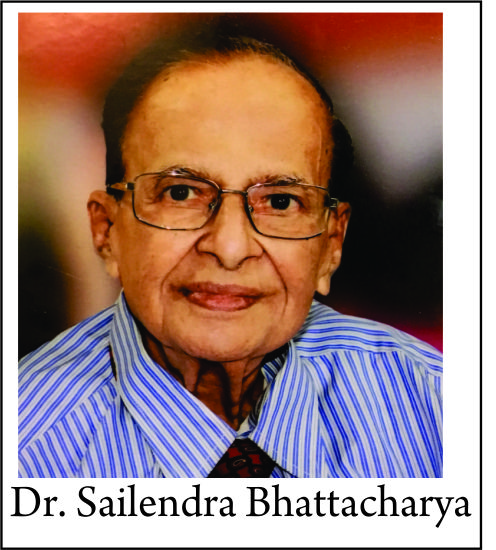
ORTHOWALKATHON- Interview of Dr. Sailendra Bhattacharya

Vol 2 | Issue 1 |  Jan – June 2017 | Page 61-62 | Dr. Sailendra Bhattacharya


Author: Dr. Sailendra Bhattacharya


Dr. Kanchan Bhattacharyya, interviews the living legend of Orthopaedics in India, Dr. Sailendra
Bhattacharya and presents the pearls of the interview here


Dr. Sailendra Bhattacharya is a living legend in the field of Indian Orthopaedics. Born in Calcutta on
26th of January,1924, he graduated from RG Kar Medical College and Hospital in 1949 and after the mandatory PRCA, became the first Honorary house surgeon in Orthopaedic Surgery under Dr. Sarbadhikari, going on to be the Registrar, at the same institution.

In 1953 he was selected by the Indian Medical Association to visit the University of Oklahoma,USA, where he was accepted in the Orthopaedic residency program and incidentally one of his colleagues there, was the redoubtable Dr. Charlie Rockwood. He had barely spent a year and a half, when his father needed him, and Dr. Bhattacharya, realizing that a post graduate degree was a necessity, left Oklahoma for UK where he completed his FRCS, and returned to Calcutta in 1956. In U.K. he spent most of his time in Southampton with Mr. Alexander Law.

Back home, with a young family, life was not easy. He joined Sambhunath Pandit Hospital in an honorary capacity, and took care of Orthopaedic cases only, which was a first in that institution. Dr Bhattacharya had always been a keen surgeon, and during his short stint in that hospital he had performed several operations including skin interposition arthroplasty of the hip. What made him stand out, was his meticulous record keeping. He kept track of all his surgical cases starting from day one and never let up even when his volume had become prodigious.

During this period he was invited by Dr. S.R. Chandra, the HOD in P. G. Hospital, to join the teaching staff of Calcutta University at the University College of Medicine as a lecturer. In 1958 he went back to his alma mater as a lecturer, and stayed on for 18 years, leaving as an Assistant Professor, when he felt that the hospital was not moving forward at a pace of his liking.

He joined Calcutta Hospital, a newly inaugurated multi-specialty hospital in the city, which boasted of state of the art equipment and a modern infrastructure. Dr. Bhattacharya was a consultant for several years, and did his first THR there, which, incidentally was the first in this part of the country. He has more than 30 years of documented survival of his earliest THRs.

He was a perfectionist in every aspect of his practice. He had two sets of X-rays taken every time, of which one was for his records. He maintained his own instruments, like all surgeons of his era, with a big difference. His huge practice demanded a high volume of surgery and he had several sets of instruments for each procedure, so that he could carry out five or six similar surgeries without running out of pre autoclaved trays. This made it easy for him to comfortably operate into the small hours of the morning without relying on the limited infrastructure of the smaller nursing homes. The clock never bothered him and his surgery went on until he had it just so.

In Harrington Nursing Home, adjacent to the US consulate, and across the street from his consultancy, where he operated for years, it was customary for the last surgery to be completed at about the stroke of dawn, with the surgical team, the only people around. There seldom came a challenge he would not rise up to, and it is difficult to imagine a surgical procedure that he has not conducted and documented. He was replacing hips in the seventies and knees in the eighties, did spinal fixations and decompressions, and, of course, all routine surgeries of his era, but the orthopaedic community remembers him most, for his description and expertise in elbow arthrolysis in post traumatic elbow stiffness which he first presented in the ASI conference in 1971 and later published in JBJS in 1974. His previous publication ‘Abduction contracture of the shoulder due to contracture of the intermediate part of deltoid’ had appeared in JBJS in 1966.

Dr. Bhattacharya’s documentation and record keeping was so far ahead of his time, that he was asked to speak on this subject in Cuttack along with Dr. Shanmugasundaram. On starting his own hospital, BORRC, in 1992 he has had most of his handwritten records digitalized. Until a short time ago he still saw a select few patients every day, attended every meeting in the city, talked to everyone around him, addressing them by their first names and occasionally, personally, updating the contacts list in his latest I- phone.

A towering personality, who has been a role model to the generation next, Dr. Bhattacharya’s matchless skill and expertise, his phenomenal volume and enviable accomplishments has become part of folklore in this part of the world.

A little frail of body today, his mind is still just as sharp as it was during his heydays. His enviable appetite for knowledge has not ebbed al all, though that of food, has. However, as a host he is as keen as ever and you can never leave his room without eating all the savories that he will have lined up.


(Abstract    Full Text HTML)      (Download PDF)


Translate this page into:

2017 Sarcoma Year Review

Vol 2 | Issue 2 |  Juiy – Dec 2017 | Page 57-58 | Prakash Nayak, Ashish Gulia, Nehal Khanna, Jyoti Bajpai, Ajay Puri


Authors: Prakash Nayak [1], Ashish Gulia [1], Nehal Khanna [2], Jyoti Bajpai [3], Ajay Puri [1]

[1]Department of Surgical Oncology, Tata Memorial Hospital, Mumbai
[2]Department of Radiation Oncology, Tata Memorial Hospital, Mumbai
[3]Department of Medical Oncology, Tata Memorial Hospital, Mumbai

Address of Correspondence
Dr. Prakash Nayak
Orthopaedic Oncologist, Assistant Professor,
Dept. of Surgical Oncology, Tata Memorial Hospital, Mumbai
Email: nayakprakash@gmail.com


Are outcomes of osteosarcoma in Indian patients any different?

Most large series of osteosarcoma include Caucasian patients. This large retrospective study of 853 osteosarcoma patients from Tata Memorial Centre, Mumbai [1] analyzed their data to ask, if our patients do any differently than the rest of the world. The major difference is the lack of use of high dose methotrexate in this subset because of logistical constraints. Instead most patients received 2 cycles each of cisplatin/doxorubicin, ifosfamide/doxorubicin in the neoadjuvant setting, followed by 4 cycles of cisplatin/ifosfamide in the adjuvant setting. The 5 year overall survival for the entire cohort was 49 % and event free survival was 42%, while the non-metastatic ones had an OS of 53% and EFS of 47 % at 5 years. Eighteen (9%) patients developed local recurrence, 311 developed metastasis while, 47 developed both. Site of tumor, type of surgery and chemotherapy induced necrosis were significant even on multivariate analysis. Interestingly 70 % patients in this series were male, likely revealing a referral bias favoring the male in the subcontinent. The 11 % rate of metastasis is also a selection bias as only patients treated with a curative intent were analyzed n the study. One fourth patients underwent an amputation suggesting delayed referral to specialist sarcoma centers and / or inadvertent prior intervention. Ninety percent of tumors were over 8 cm. The overall survival has been lower than a lot of other Caucasian reports. Although the best results from the non HDMTX based chemotherapy report survival of up to 79% in a limited cohort of 72 patients, the change and intensification of therapy at TMC, Mumbai in 2012 does not seem to have significantly improved survival outcomes. The large tumor sizes may have a larger negative influence.

Predictors of venous thromboembolism in patients with bone sarcoma

Venous thromboembolism is associated with both orthopedic surgery and cancer. The incidence is estimated to be 0.6 to 15 % with the use mechanical and or chemical prophylaxis. Prophylactic anticoagulation to decrease the morn=morbidity and mortality associated with VTE can itself lead to bleeding and wound complications especially in patients with perioperative radiation and large volume resections. Current recommendations are unclear about the choice or duration of the chemical prophylaxis. These recommendations are in patients undergoing knee or hip arthroplasty or hip fracture fixation. Kaiser et al in this study analyse the rate of VTE, the risk factors associated with VTE and discuss complications associated with prophylactic anticoagulation in patients with primary bone sarcoma. This retrospective study [2] in adult patients treated for sarcoma over 25 years were identified for radio-graphically confirmed VTE or pulmonary embolism occurring within 90 days of index surgery. Various patient characteristics, preoperative clinical variables and treatment variables were used for analysis. Bi-variate logistic regression was used to estimate a crude odds ratio, l significant and non collinear factors then underwent a backward elimination step-wise regression to calculate adjusted odds ratio. Out of 379 patients analyzed, 100 received no prophylaxis and 279 did. Two of those 100, while 19 of the 279 who received prophylaxis developed VTE (p= 0.012). Median time to event was 27 days. Initial bi-variate analysis showed pre=operative white blood cell count, preoperative hematocrit, estimated blood loss, post-operative wound infection, wound complications, additional surgery and multi-drug chemoprophylaxis. High pre-operative white blood cell count, post-operative wound complications were independent risk factors at final analysis. The risk of wound complications increased significantly in those who received chemical prophylaxis. Although retrospective nature of the data and that sub-clinical events of VTE were missed and prophylactic therapy was heterogeneous, the data resembles real life scenario and provides valuable data in bone sarcoma patients. It is important to note that wound complications often necessitates repeated surgery, bed rest or VAC therapy which worsen the risk of VTE. Since chemoprophylaxis worsens the risk of wound complications, we need to ask if we causing undue harm in a subset of patients. This is in the light of some studies that suggest that sites other than pelvis and hip may not have sufficient risk of VTE to warrant prophylaxis. To reduce the risk further, would mechanical devices with low risk aspirin suffice to optimally reduce VTE risk while also keeping risk of wound complications low? In conclusion prospective studies are needed to accurately stratify risk in this patient population for optimal and safe use of chemoprophylaxis. Aggressive prophylaxis may counter intuitively increase the risk of thromboembolic events. Individualized risk assessment for local recurrence and distant metastases for extremity soft tissue sarcoma Limb salvage surgery with radiation in adjuvant or neoadjuvant form is the standard of care for most patients with extremity soft tissue sarcoma (STS). Despite high rates of limb salvage, local recurrence and distant metastasis remain real concerns. Patient’s prognosis is determined by disease related variables which are fixed at diagnosis and treatment related factors which are modifiable. Surgical resection margins and use of radiation and chemotherapy are the only modifiable factors that can influence outcome. Small heterogeneous study populations are misleading to help predict outcomes in an individual patient. For instance would the predicted LR (local recurrence) and OS (overall survival) be the same in a 25 year old male with positive margin excision for myxo-fibrosarcoma vs a 65 year female with a large deep leiomyosarcoma? We know that LR risk is prohibitively high in the former, while metastatic risk is high in the latter. Willeumier et al (3) present a study where a multi-state model is used to predict LR and survival in a large population with high grade extremity STS. A multi-state model is a model for time to event data where all individuals start with one state (eg, surgery) and go on to develop one or more states of LR, metastasis or both of the above. The probability of getting an event are based on transition hazards as measured by a Cox model. These models can be used with 2 aims, one to gain biological insight into the disease process and the other to help predict outcomes from the training set which may impact treatment decisions. The results are provided in the form of stacked charts acting as a visual aid (shown below). The probabilities of having a recurrence or a metastasis change with time and with treatment evolution. Two interesting observations which need validation with prospective studies, are that neo adjuvant radiation is associated not only with decreased LR as compared to adjuvant radiation but also associated with better survival. The strengths of the study are the large cohort of high grade extremity STS and the use of multi-state model to assess probability of clinical future events. AJCC and other staging systems provide prognostic estimates for group of patients, this study introduces the possibility of allowing treatment to be tailored to individuals. The retrospective design, selection bias, multi-centre data are weaknesses. The authors mention that a web based application will further enable personalised care, however the model needs external validation from multiple centres.

Latest Guidelines and Reviews:
Few good reviews and guidelines were published this year. The National Comprehensive Cancer Network published their guidelines for Ewings sarcoma which provides a step wise evidence based algorithmic approach to Ewing sarcoma patients [4]. An excellent review on advancement in management of paediatric bone sarcoma was published by Grohar et al [5]. Details of most recent updates in literature are synthesized together with excellent commentary by authors. However probably one of the most important paper this year is published in Cancer Journal [5]. This paper by Reed et al [6] tries to establish a consensus statement for various pediatric bone sarcoma. A multidisciplinary approach involving the experienced orthopedists, radiotherapists, radiologists, pathologists, and oncologists was followed to develop a detailed management approach. The entire paper is put up in a question answer format which is includes clinically relevant question and proposed answers through consensus among all the disciplines including taking into account the current evidence. This seemed to a very interesting approach to answer locally relevant questions and also help prioritize research and resources in areas identified to be most promising. The article itself is a delight to read and similar consensus building exercises can be a part of orthopaedic oncology network in our country too.


References

1. Puri A, Byregowda S, Gulia A, Crasto S, Chinaswamy G. A study of 853 high grade osteosarcomas from a single institution—Are outcomes in indian patients different? Journal of Surgical Oncology. 2017;
2. Kaiser CL, Freehan MK, Driscoll DA, Schwab JH, Bernstein KDA, Lozano-Calderon SA. Predictors of venous thromboembolism in patients with primary sarcoma of bone. Surgical Oncology. 2017;26(4):506–10.
3. Willeumier JJ, Rueten-Budde AJ, Jeys LM, Laitinen M, Pollock R, Aston W, et al. Individualised risk assessment for local recurrence and distant metastases in a retrospective transatlantic cohort of 687 patients with high-grade soft tissue sarcomas of the extremities: A multistate model. BMJ open. 2017;7(2):e012930.
4. Biermann JS, Chow W, Reed DR, Lucas D, Adkins DR, Agulnik M, Benjamin RS, Brigman B, Budd GT, Curry WT, Didwania A, Fabbri N, Hornicek FJ, Kuechle JB, Lindskog D, Mayerson J, McGarry SV, Million L, Morris CD, Movva S, O’Donnell RJ, Randall RL, Rose P, Santana VM, Satcher RL, Schwartz H, Siegel HJ, Thornton K, Villalobos V, Bergman MA, Scavone JL. NCCN Guidelines Insights: Bone Cancer, Version 2.2017. J Natl Compr Canc Netw. 2017 Feb;15(2):155-167
5. Grohar PJ, Janeway KA, Mase LD, Schiffman JD. Advances in the Treatment of Pediatric Bone Sarcomas. Am Soc Clin Oncol Educ Book. 2017;37:725-735.
6. Reed DR, Hayashi M, Wagner L, Binitie O, Steppan DA, Brohl AS, Shinohara ET, Bridge JA, Loeb DM, Borinstein SC, Isakoff MS. Treatment pathway of bone sarcoma in children, adolescents, and young adults. Cancer. 2017 Jun 15;123(12):2206-2218.


How to Cite this article: Nayak P, Gulia A, Khanna N, Bajpai J, Puri A. 2017 Sarcoma Year Review Journal of Clinical Orthopaedics July-Dec 2017; 2(2): 57-58

(Abstract    Full Text HTML)      (Download PDF)


Translate this page into:

What’s new in Hand Surgery?

Vol 2 | Issue 2 |  Juiy – Dec 2017 | Page 55-56 | Pankaj Ahire


Authors: Pankaj Ahire [1]

[1]Godrej Memorial Hospital, Vikhroli East, Mumbai , India

Address of Correspondence
Dr. Pankaj Ahire
Godrej Memorial Hospital, Vikhroli East, Mumbai, India
Email: drahire@hotmail.com


Hand Surgery continues to be dominated by brilliance of individuals and prospective observational studies owing to paucity of randomized controlled trials. From the meta analyses of various published work we get a glimpse of what is in and what is out of Hand Surgery in the past decade.

Nerve Surgery

Distal nerve transfers have caused paradigm shift in the way surgeons across the globe treat Brachial Plexus [1,2] Injuries and peripheral nerve lesions. The popularity of transfer of Ulnar nerve to Musculocutaneous branch to Biceps (Oberlin) and Median nerve to Brachialis (MacKinnon), Triceps Branch to Axillary (Somsak), Spinal Accessory nerve to Suprascapular nerve(Alnot) – is due to a predictable and early recovery of targeted motors. The incidence of exploration and repair of Upper Trunk lesions has reduced in preference to these nerve transfers, though doing both gives superior results (Bertelli). For more distal lesions transfer of AIN branch to PQ to Motor branch of ulnar nerve in case of injury to ulnar nerve proximal to the elbow (Battiston), has shown promising results where once the recovery of intrinsic muscles of the hand was summarily ruled out. This will perhaps lead to nerve transfers replacing tendon transfers in the treatment of muscle dysfunction due to nerve paralysis, if referred in time. Management of global brachial plexus palsy no longer is seen as a losing battle with single, double and now triple functioning free muscle transfers (Doi, Tu) to restore elbow flexion, finger flexion and finger extension [3].

Tendon Surgery

Flexor tendon repair has moved from monofilament 2 strand modified Kessler’s core suture to a braided suture, 4 to 6 strand core suture with epitendinous repair [4]. From the days of Kleinertrubber band traction to early active & passive movements, the protocol of rehabilitation of flexor tendons has become more simplified and moving towards early active motion. With advent and popularity of WALANT (Wide Awake Local Anesthesia No Tourniquet)–(Donald Lalonde), the tendon repairs can undergo functional testing intra operative and any readjustments donot have to wait for a second surgery [5,6].

IP joint arthrodesis

IP joint injuries are on the rise with more people taking hobby sports as a way of physical fitness. Hemi Hamate replacement (Hastings) has made it possible to restore significantly damaged P2 bases thereby offering hopefully long lasting PIP joint with little deformities. While the need to restore injured PIP joints to a painless mobile unit continues the need to arthrodese non reconstructible joints also arises specially in the DIP joints. The use of mobile phones necessitates that we fuse the IP joint of the thumb in more flexion than was recommended earlier, to enable the tip of the thumb to precisely touch the small buttons of QWERTY key board on a small screen [7].

Wrist Surgery

The debate about fixation of distal radius fractures seems to be reaching no end. Corrective osteotomies of distal radius with volar locking plates without the use of bonegrafts may be considered as a significant change from the trapezoidal grafts used earlier with cumbersome fixations. The DRUJ has gained its due significance in the world dominated by DER & Scaphoids. DRUJ hemireplacement and Total replacement have arrived and will continue to pose serious challenge to the readiness with which we knocked off the distal end of the ulna only to shift the focus of pain from DRUJ to an inch proximal [8]. Wrist arthroscopy is now allowing us to identify treatable pathologies specially on the ulnar side of the wrist. It is now considered as a standard diagnostic procedure in the work up of ulnar sided wrist pain [9]. While we are doing more operative procedures on the carpus than ever before, the role of conservative management of carpal instabilities by modulating the Supinators and Pronators of the distal carpal row, is being recognized [10]. The understanding of anti supination helical ligaments and anti pronation helical ligaments is the new baby in understanding of carpal kinematics. (Marc Garcia Elias)

Hand Transplant

After Hand and Face were classified as VCAs (Vascularized Composite Allotransplants) and were given the status of an organ in the Transplant Law, the enthusiasm about their transplants was palpable. There have been successful bilateral hand transplants already in India (Amrita Institute Kochi). The debate however continues about use of high end prosthesis with no effect on life expectancy versus cadaveric Hand Transplants with a certain effect on life expectancy [11,12].

Microvascular Surgery

Better understanding of angiosomes and vascular anatomy has permitted us to choose newer and better flaps with minimal donor site morbidity. The advent of supermicrosurgery has taken reconstructive surgery to the next level. Complex reconstructions are now possible using perforators alone as donor and recipient vessels, sparing the main vascular axis. Supermicrosurgery has enabled us to perform lympho-venous anastomosis, as well as free lymph node transfers. The complex problem of lymphoedema now has a reliable surgical treatment option, significantly improving the quality of life of these patients [13].

Acknowledgments

Dr Mukund Thatte for reviewing the draft
Dr Nilesh Satbhai for contribution about Microvascular Surgery


References

1. Panagopoulos GN, Megaloikonomos PD, Mavrogenis AF. The Present and Future for Peripheral Nerve Regeneration. Orthopedics. 2017 Jan 1;40(1):e141-e156.
2. Forli A, Bouyer M, Aribert M, Curvale C, Delord M, Corcella D, Moutet F. Upper limb nerve transfers: A review. Hand Surg Rehabil. 2017 Jun;36(3):151-172.
3. El-Sayed AAF. Evidence of the Effectiveness of Primary Brachial Plexus Surgery in Infants With Obstetric Brachial Plexus Palsy-Revisited. Child Neurol Open. 2017 May 25;4:2329048X17709395
4. Gibson PD, Sobol GL, Ahmed IH. Zone II Flexor Tendon Repairs in the United States: Trends in Current Management. J Hand Surg Am. 2017 Feb;42(2):e99-e108
5. Steiner MM, Calandruccio JH. Use of Wide-awake Local Anesthesia No Tourniquet in Hand and Wrist Surgery. Orthop Clin North Am. 2018 Jan;49(1):63-68.
6. Lied L, Borchgrevink GE, Finsen V. Wide Awake Hand Surgery. J Hand Surg Asian Pac Vol. 2017 Sep;22(3):292-296.
7. McGowan S, Deisher M, Matullo KS. Functional Fusion Angle for Thumb Interphalangeal Joint Arthrodesis. Hand (N Y). 2016 Mar;11(1):59-64.
8. Moulton LS, Giddins GEB. Distal radio-ulnar implant arthroplasty: a systematic review. J Hand Surg Eur Vol. 2017 Oct;42(8):827-838
9. Michelotti BF, Chung KC. Diagnostic Wrist Arthroscopy. Hand Clin. 2017 Nov;33(4):571-583.
10. Harwood C, Turner L. Conservative management of midcarpal instability. J Hand Surg Eur Vol. 2016 Jan;41(1):102-9.
11. Nayak BB, Mohanty N, Patnaik AP, Bal PK. Considerations for double-hand replantation in a resource-constrained healthcare facility. Indian J Plast Surg. 2016 Jan-Apr;49(1):81-5.
12. Salminger S, Roche AD, Sturma A, Mayer JA, Aszmann OC. Hand Transplantation Versus Hand Prosthetics: Pros and Cons. Curr Surg Rep. 2016;4:8.
13. Scaglioni MF, Fontein DBY, Arvanitakis M, Giovanoli P. Systematic review of lymphovenous anastomosis (LVA) for the treatment of lymphedema. Microsurgery. 2017 Nov;37(8):947-953.


How to Cite this article: Ahire P. What’s new in Hand Surgery? Journal of Clinical Orthopaedics July-Dec 2017; 2(2): 55-56

(Abstract    Full Text HTML)      (Download PDF)


Translate this page into:

An update on Pediatric Orthopaedics: 2017

Vol 2 | Issue 2 |  Juiy – Dec 2017 | Page 48-50 | Chasanal Rathod


Authors: Chasanal Rathod [1]

[1]Consultant Pediatric Orthopaedic Surgeon, SRCC Childrens Hospital, Cloud Nine Hospital. Mumbai.

Address of Correspondence
Dr. Chasanal Rathod,
Consultant Pediatric Orthopaedic Surgeon,
SRCC Childrens Hospital, Cloud Nine Hospital. Mumbai
Email: chasanal@gmail.com


The year 2017 has come up with various studies in Pediatric Orthopaedics. Over the years, there have been established guidelines and protocols to treat the younger population for various disorders; however researchers, surgeons continue to correlate these guidelines in their set-up/population and report various results and findings, which can be helpful in treating the orthopaedic problems in children. Here is a quick update on some of the articles from various journals focusing on pediatric orthopaedics.

Pediatric Hip

Developmental Dysplasia of Hip
Screening for Developmental dysplasia of Hip(DDH) during the neonatal period and infancy has always been emphasized and has been a part of various nations in their health reforms. The debate of selective vs universal screening and its efficacy still continues, So is a “clicking hip” always a DDH? Paton et al [1] screened 362 hips over two decades and 97% of this clicky hips required no treatment and these are a normal variant and do not pose as a risk factor for DDH, However those with positive findings do need further investigations and treatment. The treatment of neonatal and infant DDH with pavlik harness is widely accepted treatment of choice with a success rate as high as 96.8% [2]. In spite of early screening and detection and treatment, cases with residual acetabular dysplasia (RAD) remain as one of the most common cause of secondary osteoarthritis of hip, a decision making algorithm for the management of RAD is established from the senior authors’ personal experience and the data collected from the literature [3].

Pediatric Hip: Perthes’ disease

A long term retrospective study by Shohat et al studied 24 hips of Perthes’ disease for effect of distal trochanteric transfer(DTT) following Varus derotational osteotomy ( VDRO). Ten hips with Articular trochanteric distance > 5mm underwent DTT. These patients were subsequently compared with 14 hips who did not undergo DTT. The radiographic results in the long-term follow-up of patients with GTO following VDRO were significantly better, there was no clinical benefit seen or incidence of osteoarthritis compared with patients who had not undergone DTT. Song et al[5] have wonderfully described an alternative minimal invasive technique of proximal femur osteotomy for the Perthes’ disease which helps attain precise correction for varus /valgus derotation osteotomy with stable fixation. The review for Perthes would not be complete without discussing the outcome of combined pelvic osteotomies and Femoral osteotomies and Rupprecht et al [6] have published their results of 52 children treated over a period of 10 years. The hips were analysed at skeletal maturity for Stulberg classification and sphericity deviation score. These findings were compared with the literature and did not show any significant change in the clinical and radiographic outcome and hence it is not recommended that combined osteotomies be performed.

Pediatric Trauma

One of the most common fracture seen in day to day practice is a supracondylar fracture of humerus. The treatment protocol is largely based on the fracture and displacement. The AAOS has published the Appropriate Use Criteria( AUC) for the management of these fractures based on recommendations from an expert panel. Study by Cemal et al[7] is a retrospective analysis of 991 patient records was reviewed for appropriateness of AUC and these criteria are useful for orthopedic surgeons to be used in clinical practice. However a comparison of the daytime and after after-hours surgical treatment of Gartland type 3, supracondylar humeral fractures in children shows a higher poor fixation rate in after-hours treatment as compared in daytime procedures. Although the other factors like operative time, quality of reduction, rate of open reduction, extent of poor functional outcome were not affected. Ideally this surgery can be performed during the daytime[8]. Persiani et al[9] in their study of management of cubitus varus with a lateral wedge osteotomy: K-wires or Locking angular plates recommend the use of the plate as it can rigidly stabilize the osteotomy . Often the forearm fractures in children are treated non-operatively. Paediatric forearm fractures, in particular, have seen an increased rate of surgical treatment despite the lack of comparative studies showing a clear benefit over non-operative treatment. Cruz et al[10] have reviewed the HCUP-KID database of 30,936 forearm fractures to evaluate the rate of surgical treatment over time. They concluded that increase in surgical rates were associated with older age, males and treatment at a Children’s hospital and having a non- Medicaid insurance status. Nandra et al[11]performed a retrospective analysis of 61 children with open tibia fractures. Various treatment modalities were opted, casting, elastic nailing, K wiring, intramedullary nailing, external fixator application and open reduction and plate fixation. All fractures united irrespective of the grade of compound injury and fixation. Aggressive initial wound management and early definitive treatment is recommended. Deformity correction and Growth modulation has been extremely effective in treating angular deformities in children without causing any permanent growth arrest. A retrospective multicentric study including 126 patients has studied correction outcomes and adverse events of Eight plate for lower limb deformity. The adverse events were noted in 18% patients were mainly screw related and hence a close monitoring is recommended[12]. Corradin et al[13] studied 7 cases of Renal osteodystrophy (ROD) for efficacy of temporary epiphysiodesis to correct angular deformities of lower limbs. They conclude that its safe and effective in cases with ROD, important is to have regular follow up as the deformities tend to progress or relapse around skeletal maturity Ceroni et al[14] puts forward a hypothesis that hemiepiphysiodesis at femoral or tibial is likely to cause modification of Tibial tuberosity( TT) – Trochlear groove (TG) distance by applying a trigonometric formula therefore predict that for every degree of angular correction during femoral distal hemiepiphysiodesis, there is a 1-mm simultaneous lateral or medial transfer of the TT. We also predict that, during proximal tibial hemiepiphysiodesis, 8° of angular correction will roughly translate the TT by 1 mm. However, these findings are based on retrospective MRI scans and the establishment of a relationship between femoral or tibial hemiepiphysiodesis and the modification of the TT–TG distance requires a prospective study.

Bone and Joint infection

Schmale et al[15] have retrospectively studied 16 patients with bone and joint syndrome and compared the frequency of severe systemic effects and Toxic shock syndrome(TSS) in Staphylococcal aureus with Group A β-haemolytic Streptococcus pyogenes (GABS) bone and joint infections. They concluded that GABS septic arthritis and/or osteomyelitis increase the likelihood of TSS when compared with bone and joint infections with SA. Also the GBS and Methicillin resistant Staphylococcus aureus (MRSA) they had an additional need of surgeries and hospital stay as compared to Methicillin sensitive Staphylococcus aureus (MSSA). Patients with rapidly positive blood cultures, particularly those with gram-positive cocci in chains, and a presenting CRP > 15 mg/dL are at an increased risk of developing septic shock and should be carefully monitored.
Dehority et al[16] recommend MRI at presentation so as to identify the suppurative complications of Acute hematogenous osteomyelitis and also any delay at presentation was associated with abscess formation. Should the subperiosteal abscess always be drained? Or can they be treated with just antibiotics alone? Montgomery et al [17] postulated a hypothesis that a corticotomy or intramedullary drainage(ID) reduces the rate of reoperation by clearing the infection. This hypothesis was statistically significant and hence a small drilling in the cortical bone /corticotomy is recommended.

Clubfoot

Ponseti method, is internationally recognized as the gold standard of treatment for management of Clubfoot18]. How early should the intervention begin? Lebel et al have treated neonates in the NICU at 27 weeks to term and they conclude that clubfoot treatment is feasible and effective in the first week of life and efforts should be made to initiate the treatment with minimal delay, however clubfoot cannot be considered as a priority over life threatening medical problems. In cases of relapsed clubfoot[19], Gary et al[20] have emphasized the importance of recasting or repeating the modified Ponseti treatment to correct or improve the passive ankle dorsiflexion. The complex idiopathic clubfoot have been studied by Hosam et al[21] and they concluded that complex variety requires more casts than usual i.e average 7 ( range 5-10 ) and also a higher rate of tendoachillis tenotomy and a higher risk of relapse is expected. Maranho et al have reported repair of Achilles tendon after the TA tenotomy, ultrasonographic findings revealed mild thickening in 80% and thinning was noted on 15% although there was no effect on its function.


References

1. K. Nie, S. Rymaruk, R. W. Paton. Clicky Hip alone is not a true risk factor for developmental dysplasia of the hip . Bone Joint J 2017; 99-B: 1533-6.
2. Choudry, Qaisar; Paton, Robin W.Pavlik harness treatment for pathological developmental dysplasia of the hip: meeting the standard?Journal of Pediatric Orthopaedics B. 26(4):293-297, July 2017.
3. Mansour, Elie; Eid, Roy; Romanos, Elie; Ghanem, Ismat. The management of residual acetabular dysplasia: updates and controversies.Journal of Pediatric Orthopaedics B: 26(4): 344-49, July 2017.
4. N. Shohat, R. Gilat, R. Shitrit, Y. Smorgick, Y. Beer, G. Agar. A long-term follow-up study of the clinical and radiographic outcome of distal trochanteric transfer in Legg-Calvé-Perthes’ disease following varus derotational osteotomy.Bone Joint J 2017;99-B:987–92.
5. Park, Kwang-Won; Shah, Ishani P.; Ramanathan, Ashok K.; Lee, Tae-Jin; Song, Hae-Ryong Proximal femoral osteotomy in Legg-Calvé-Perthes disease using a monolateral external fixator: surgical technique, outcome, and complications. Journal of Pediatric Orthopaedics B: July 2017 26;(4):329–335.
6. Mosow N, Vettorazzi E, Breyer S, Ridderbusch K, Stücker R, Rupprecht M. Outcome After Combined Pelvic and Femoral Osteotomies in Patients with Legg-Calvé-Perthes Disease. J Bone Joint Surg Am. 2017 Feb 1;99(3):207-213
7. Kazimoglu C, Turgut A, Reisoglu A, Kalenderer Ö, Önvural B, Agus H. Are the Appropriate Use Criteria for the management of pediatric supracondylar humerus fractures useful in clinical practice? J Pediatr Orthop B. 2017 Sep;26(5):395-399..
8. Aydoğmuş S, Duymuş TM, Keçeci T, Adiyeke L, Kafadar AB.Comparison of daytime and after-hours surgical treatment of supracondylar humeral fractures in children.J PediatrOrthop B. 2017 Sep;26(5):400-404.
9. Persiani P, Noia G, de Cristo C, Graci J, Gurzì MD, Villani C. Lateral wedge osteotomy for pediatric post-traumatic cubitus varus: Kirschner-wires or locking angular plate? J Pediatr Orthop B. 2017 Sep;26(5):405-411..
10. Cruz AI, Kleiner JE, DeFroda SF, Gil JA, Daniels AH, Eberson CP. Increasing rates of surgical treatment for paediatric diaphyseal forearm fractures: a National Database Study from 2000 to 2012. Journal of Children’s Orthopaedics. 2017;11(3):201-209.
11. R. S. Nandra, F. Wu, A. Gaffey, C. E. Bache. The management of open tibial fractures in children. Bone Joint J 2017;99-B:544–53.
12. Joeris, Alexander; Ramseier, Leonhard Langendörfer, Micha von Knobloch, Michael Patwardhan, Sandeep; Dwyer, Jonathan, Slongo, Theddy. Paediatric lower limb deformity correction with the Eight Plate: adverse events and correction outcomes of 126 patients from an international multicentre study. Journal of Pediatric Orthopaedics B: September 2017 -26;(5):441–448
13. Gigante C, Borgo A, Corradin M. Correction of lower limb deformities in children with renal osteodystrophy by guided growth technique. J Child Orthop 2017;11:79-84.
14. Ceroni, Dimitri; Dhouib, Amira; Merlini, Laura; Kampouroglou, Georgios. Modification of the alignment between the tibial tubercle and the trochlear groove induced by temporary hemiepiphysiodesis for lower extremity angular deformities: a trigonometric analysisJournal of Pediatric Orthopaedics B 2017, 26:204–210
15. Kerr DL, Loraas EK, Links AC, Brogan TV,Schmale GA. Toxic shock in children with bone and joint infections. J Child Orthop 2017;11:387-392.
16. Johnston, Jennifer J.; Murray-Krezan, Cristina; Dehority, Walter. Suppurative complications of acute hematogenous osteomyelitis in children. Journal of Pediatric Orthopaedics B. 26(6):491-496, November 2017.
17. Montgomery CO, Porter A 3rd, Sachleben B, Suva LJ, Rabenhorst B.Treatment of subperiosteal abscesses in children: is drainage of the intramedullary canal required? J Pediatr Orthop B. 2017 Nov;26(6):497-500
18. Sanzarello I, Nanni M, Faldini C. The clubfoot over the centuries. J Pediat Orthop B. 2017 Mar;26(2):143-151.
19. Lebel, Ehud; Weinberg, Eliraz; Berenstein-Weyel, Tamar M.; Bromiker, Ruben.Early application of the Ponseti casting technique for clubfoot correction in sick infants at the neonatal intensive care unit.Journal of Pediatric Orthopaedics B: March 2017 – 26 ( 2): 108–111
20. Marquez, Erika; Pacey, Verity; Chivers, Alison; Gibbons, Paul; Gray, Kelly.ThePonseti technique and improved ankle dorsiflexion in children with relapsed clubfoot: a retrospective data analysis.Journal of Pediatric Orthopaedics B. 2017;26(2):116-121.
21. Matar, Hosam E.; Beirne, Peter; Bruce, Colin E.; Garg, Neeraj K.Treatment of complex idiopathic clubfoot using the modified Ponseti method: up to 11 years follow-up. Journal of Pediatric Orthopaedics B: March 2017 26;(2):137–142
22. D. A. Maranho, F. H. L. Leonardo, C. F. Herrero, E. E. Engel, J. B. Volpon, M. H. Nogueira-Barbosa. The quality of Achilles tendon repair five to eight years after percutaneous tenotomy in the treatment of clubfoot Bone Joint J Jan 2017, 99-B (1) 139-144.


How to Cite this article: Rathod C. An update on Pediatric Orthopaedics: 2017. Journal of Clinical Orthopaedics July-Dec 2017; 2(2):48-50

(Abstract    Full Text HTML)      (Download PDF)


Translate this page into:

New Frontiers in Spine Surgery

Vol 2 | Issue 2 |  Juiy – Dec 2017 | Page 44-47 | Akshay Gadia, Kunal Shah, Abhay Nene


Authors: Akshay Gadia [1], Kunal Shah [1], Abhay Nene [1]

[1] Wockhardt hospital, Anand rao nair marg, Mumbai central
[2] “We are spine” centre, Aarav polyclinic, Ghatkopar, Mumbai

Address of Correspondence
Dr. Kunal Shah,
Consultant spine surgeon, “We are spine” centre
Aarav polyclinic, LBS Road,ghatkopar west, Mumbai-400086
Email-orthokunal@yahoo.com


Background
With the ongoing advancement in the field of spinal imaging, surgical techniques and postoperative care of patient it has become convenient for spine physicians to provide optimal treatment with short surgical time and decreased hospital stay. The aim of this article is to highlight the developments in the modern era of spine surgery while providing an insight into the exiting future trends in patient’s care. Advances in the management of spinal degenerative disorders, primary and metastatic spinal tumors, spinal trauma, pediatric and adult deformity, infections, use of osteobiologics, biomaterials, computer assisted navigation and robotics are described with the reference to the published papers.

Degenerative disorders of spine

Cervical Spondylotic Myelopathy (CSM):
The term CSM includes degenerative pathologies (e.g: cervical spondylosis, degenerative disc disease, ossification of posterior longitudinal ligament) resulting in compression of spinal cord and a cluster of clinical features characterized by imbalance, decreased fine motor function of hands with or without sphincter dysfunction. Due to variability in the etiology and natural history of CSM the controversies in the management are related to timing of surgery as well as surgical approach. In a prospective international, multicenter study (n=479), authors found surgical decompression was effective in moderate and severe CSM. In another prospective international observational multicenter study (n=264) authors found no difference in outcomes of anterior versus posterior surgery. However there is still no consensus in the literature with respect to efficacy of MIS versus open cervical decompression, laminectomy versus laminoplasty and the role of adjuvant pharmacological treatment in CSM[1]. In another level 2 mataanalysis of ACDF performed on outpatient basis (n=2448), 63.8% patients undergoing one level surgery while almost all rest of the patients undergoing 2 level surgery were included in the analysis. 2% patients required readmission. Author’s thus concluded that outpatient ACDF is becoming increasingly useful and safe in an adequate setup. However the optimal patient selection for this modality of treatment it is still a matter of debate [2]. Segmental cervical kyphosis has been considered to be one of the important predictors of outcome following cervical decompression in patients with CSM. In the retrospective analysis of 68 patients, Jain et al compared the functional outcome in patients with overall lordotic alignment with those having segmental kyphosis. At the mean follow up period of 5 years, authors found no difference in functional outcome between the two groups thus establishing the notion that segmental alignment of cervical spine does not affect the long term outcome following laminectomy [3].

Disc replacement

In a level 1 study, 99 patients were randomly divided into 2 groups; one group receiving Mobi-C (Zimmer Biomet) TDA implant and other group undergoing ACDF. These patients were followed for 5 years. The prevalence of further surgery differed significantly between the 2 groups (p = 0.049); 7 patients who underwent ACDF required further surgery compared to only 1 patient requiring reoperation in the Mobi-C group. There were significant differences (p < 0.001) between the 2 groups in the imaging-defined range of motion of the treated segment. However, treatment with use of the Mobi-C implant and ACDF both were effective in improving patients’ clinical symptoms [4]. In another level-1 prospective randomized control trial, Sasso et al. examined the 7-year and 10-year outcome of cervical arthroplasty and anterior cervical discectomy and fusion (ACDF). As a part of FDA IDE trial, 47 patients were randomized in a 1:1 ratio to ACDF or cervical arthroplasty (BRYAN, Medtronic) group. 22 patients received arthroplasty while 25 received an ACDF. Outcomes were assessed by Neck disability index (NDI) and Visual analogue scales (VAS) for neck and arm pain. Success of both surgical interventions remained high at the 10-year interval. Both arthrodesis and arthroplasty demonstrated statistically significant improvement in neck disability index, visual analog scale neck and arm pain scores at all intervals including 7- and 10-year periods. Cervical arthroplasty demonstrated an advantage in comparison to arthrodesis as measured by final 10-year NDI score (8 vs. 16, P=0.0485). At 10-year follow-up the reoperation rate in the arthroplasty cohort of this investigation is lower but not statistically different (9%) than that observed in the arthrodesis cohort (32%) (P=0.05551). 3 patients (13.63 %) crossed over to arthrodesis group from arthroplasty group due to technical difficulty in implanting arthroplasty device. Authors concluded that at 7 years and 10 years, cervical arthroplasty had favorable outcome in comparison to ACDF in highly selected population with radiculopathy[5].

Lumbar canal Stenosis

In a level 2, case matched observational study from Norwegian registry for spine surgery; authors evaluated the effectiveness of decompression alone compared with additional fusion for lumbar spinal stenosis with degenerative spondylolisthesis. 260 patients from each group were studied for functional outcome. Primary outcome were measured for leg pain and back pain by NRS (numeric rating scale) and ODI score at 12 months. Though the authors were not able to conclude the superiority of decompression alone over decompression with additional fusion, they however highlighted the fact that considerable number of patients can be treated with decompression alone owing to small difference in group’s effect sizes in the mentioned study[6].

Spinal Deformity

Early onset scoliosis (EOS)
Decreased amount of lengthening over a period of time is one of the known problems that haunt the management of early onset scoliosis with traditional growth rods (TGR). The ‘law of diminishing returns’ defines the amount of lengthening that a TGR can undergo before stiffness across the construct prevents further increases in overall length. In a retrospective analysis of consecutive series of 54 patients of Magnetic expansion control growth rods (MCGR), Gardner et al stated that ‘The law of diminishing returns’ does not affect the serial lengthening of MCGR. They also proposed that it is growth velocity rather than the total number of lengthening episode independent of age of child is a better measure of the success of system that maintain the spine growth[7]. In another retrospective review of prospectively collected clinical and radiographic data of 30 patients with minimum 2 year follow up, Kwan et al studied the unplanned reoperations and other complications associated with MCGR surgery for EOS. Mean age of implantation of MCGR was 7.2 years with mean follow up of 37 months. 14 (46.7%) patients underwent reoperation with in the follow up period. The mean time for reoperation was 23 months (5-48 months) after initial surgery. They found that patients undergoing frequent distractions (1 week – 2 months) hade higher rate of reoperations compared to patients undergoing distraction at the longer interval (3-6 months). They found jamming of rod, failure of proximal construct, rod breakage and infections as a cause for reoperation[8].

Adolescent idiopathic scoliosis

In a level 3, retrospective cohort study of 149 patients of adolescent idiopathic scoliosis; Ohrt-Nissen et al. compared the radiographic outcome and health related quality of life in patients treated with hook/hybrid (H/H) or all-pedicle screw (PS) instrumentation. SRS-22 score was used to measure functional outcome. All patients were followed for minimum of 2 years of postoperatively. H/H and PS group had 85 and 64 patients respectively. Mean curve correction at final follow up was 31% ± 13% versus 49% ± 12% in the H/H and PS group, respectively (p < .001), and mean loss of correction was 7° versus 4° (p < .001). The Cincinnati correction index was significantly higher in the PS group at final follow-up (p < .001). SRS-22 scores did not differ between the two groups (p > .090), and the reoperation rate at final follow-up was 9% in the H/H group and 6% in the PS group (p = .556). The authors found that PS instrumentation compared to H/H instrumentation had significantly better curve correction and less loss of correction. However, there was no significant difference between SRS-22 scores at final follow up[9]. Postoperative loss of correction has been reported with the use of modern segmental instrumentation. In a level 4 retrospective analyses of 42 patients of Lenke 1 AIS, Le Navéaux evaluated the 3D changes in spine and rod in 2 years after AIS instrumentation with different rod materials. This was a unique study as it tried to establish the relation between postoperative loss of correction with the different rod materials. Rods made up of titanium, stainless steel and cobalt chrome were studied. The main thoracic (MT) curve (61±9°) was corrected on average by 75% (15±6°, p<0.01) with no change at 2-year follow up (2YFU) (17±7°, p=0.14). The apical vertebral rotation (23±7°) was corrected by 44% (13±9°, p<0.01) with no change at 2YFU (14±9°, p=0.64). The thoracic kyphosis (24±12°) remained unchanged (p=0.78). Rod curvature and deflection also remained unchanged (all p>0.05). 3D curve correction was maintained in the 2YFU for all rod materials subgroups (all p>0.05). Authors concluded that there was no significant change in the 3D shape change of instrumented thoracic spine or of the rods for any of the cases irrespective of rod material used[10].

Adult degenerative Scoliosis

In an ambispective study of 125 elderly patients (> 65 years) undergoing elective spine surgery for correction of adult degenerative scoliois, Adogwa et al. studied the effects of early mobilization on patient outcomes, complications and 30 day readmission rates. Patients in the top and bottom quartiles were dichotomized into “early ambulators” and “late ambulators”, respectively. Early ambulators were ambulatory within 24 hours of surgery, whereas late ambulators were ambulatory at a minimum of 48 hours after surgery. The prevalence of at least one perioperative complication was significantly lower in the early ambulators cohort (30% vs. 54%, P = 0.06) compared to late ambulators. The length of inhospital stay was 34% shorter in the early ambulators cohort (5.33 days vs. 8.11 days, P = 0.01). Functional independence was superior in the early ambulators cohort, with the majority of patients discharged directly home after surgery compared with late ambulators (71.2% vs. 22.0%, P = 0.01). Authors suggested that even the delay of 24 hours in ambulation was associated with higher complications rate and inferior functional outcome[11]. In a level 1 meta-analysis, Lee et al., reviewed the literature for identifying advantages and disadvantages of long versus short fusion for patients with spinal stenosis with balanced de novo degenerative lumbar scoliosis without substantial sagittal imbalance. Data from 6 studies involving 362 patients was analyzed (short fusion in 202 and long fusion in 160 patients). The long fusion group showed a substantial decrease in Cobb angle (WMD, 8.94; 95% CI, 2.55–15.33) and in C7 plumb (WMD, 5.90; 95% CI, 0.39–12.18), compared to the short fusion group. At final follow-up, ODI had decreased similarly in both groups (WMD, 1.70; 95% CI, 13.04–9.65). The short fusion group showed advantages including decreased blood loss (mean difference, 739.9mL) and shorter operative time (mean difference, 68.0 minutes) compared to the long fusion group. Based on these results, authors suggested that short fusion might be reasonable option for patients with sagittaly balanced degenerative scoliosis[12].

Spinal Trauma and spinal cord injury

In a prospective multicenter study to find out burden of spine fractures in India, Aleem et al. analyzed 192 patients over a period of 8 weeks across 14 hospitals in India. The aims of this study were to determine the characteristics of patients sustaining spinal trauma in India and to explore the association between patient or injury characteristics and outcomes after spinal trauma. This srudy was in affiliation with ongoing INternational ORthopedic MUlticenter Study (INORMUS). Mean age was 51.0 years, 72 % patients were injured from falls. Thirty-day mortality and complication rates were 2.6% and 10.0%, respectively. Care in the public hospital system (odds ratio [OR] = 6.7, 95% CI = 1.1-41.6), chest injury (OR =11.1, 95% CI = 1.8-66.9), and surgical intervention (OR = 4.8, 95% CI = 1.2-19.6) were independent predictors of major complications. The presence of chest injury and surgical intervention following spinal trauma were predictive of adverse outcomes in 30 days. The limitation of this study was that the follow-up period was only 30 days. Hence, complications arising after 30 days were not analyzed[13].

Spinal tumors

In a retrospective analysis, Patil et al studied 5 patients for early results of total en-bloc spondylectomy for solitary metastatic lesion. Average duration of follow-up was 18 months (range 16-20 months). The average preoperative visual analog scale score of 9.4 (range 9-10) improved to 2 (range 1-4) at last followup. Average blood loss was 1440 mL (range1000-2000 mL). Average duration of surgery was 198 min (range180-240 min). Significant pain relief was noticed in each patient in the immediate postoperative period and during followups. Authors suggested that en bloc spondylectomy has good short-term results for solitary, metastatic, high-grade vertebral body tumors[14].

Spinal Infections

In a level 3 retrospective study of, 84 patients were analyzed to determine the role of fixation in deep spinal infections. Patients were divided in 3 groups; those treated with antibiotics alone, those treated with antibiotics and debridement and those treated with antibiotic, debridement and instrumentation. Patients were compared for mortality, reoperation and reinfection rates. Patients were analyzed using multivariate logistic regression model. The most common form of infection was osteomyelitis and spondylodiscitis (69.4%). Staphylococcus aureus was the most common causative organism (61.2%). There was no difference in terms of reoperation or relapse for patients treated with antibiotics alone, antibiotics with debridement, or antibiotics with debridement and instrumentation. However, compared with antibiotics alone, the crude in-hospital mortality was lower for patients treated with instrumentation (odds ratio, OR, 0.82; P = 0.01), and antibiotics with debridement (OR 0.80; P = 0.02). Authors suggested that spinal instrumentation in infected spine is safe and not associated with higher reoperation and relapse rates. Mortality is lower for patients treated with spinal instrumentation[15].

Navigation and robotics in Spine surgery

Molliqaj et al. analyzed 169 patients, with the aim to compare the accuracy of robot guided and conventional free hand-fluoroscopy guided pedicle screw placement in thoracolumbar surgery. Pathological entities included degenerative disorders, tumors, and traumatic cases. In the robot-assisted cohort (98 patients, 439 screws), pedicle screws were inserted with robotic assistance. In the freehand fluoroscopy-guided cohort (71 patients, 441 screws), screws were inserted using anatomical landmarks and lateral fluoroscopic guidance. The accuracy of screw placement was assessed based on the Gertzbein-Robbins scale by a neuro-radiologist blinded to treatment group. The radiological slice with the largest visible deviation from the pedicle was chosen for grading. A pedicle breach of 2 mm or less was deemed acceptable (Grades A and B) while deviations greater than 2 mm (Grades C, D, and E) were classified as misplacements. In the robot-assisted cohort, a perfect trajectory (Grade A) was observed for 366 screws (83.4%). The remaining screws were Grades B (n = 44 [10%]), C (n = 15 [3.4%]), D (n = 8 [1.8%]), and E (n = 6 [1.4%]). In the fluoroscopy-guided group, a completely intrapedicular course graded as A was found in 76% (n = 335). The remaining screws were Grades B (n = 57 [12.9%]), C (n = 29 [6.6%]), D (n = 12 [2.7%]), and E (n = 8 [1.8%]). The proportion of non- misplaced screws (corresponding to Gertzbein-Robbins Grades A and B) was higher in the robot-assisted group (93.4%) than the freehand fluoroscopy group (88.9%) (p = 0.005). In this retrospective review, authors found that robot-guided pedicle screw placement is a safe, useful, and potentially more accurate alternative to the conventional freehand technique for the placement of thoracolumbar spinal instrumentation[16].

Biomaterials and tissue biologics

A level 1 study compared the use of osteogenic protein-1 (OP-1, also known as bone morphogenetic protein [BMP]-7) combined with local autograft in comparison with iliac crest autograft combined with local autograft in posterolateral lumbar fusion. This randomized prospective study was performed at 4 centers in Europe and included 119 patients. Fusion was documented on computed tomography (CT) scans. The authors found a 54% fusion rate in the OP-1 group and a 74% fusion rate in the iliac crest group. The authors concluded that OP-1 was not as effective as autologous iliac crest bone for achieving posterolateral lumbar fusion. The fallacy of this study was being a randomized control trial there was no standard uniform technique that was used for preparation of graft bed, which is equally important for fusion[17]. In a case series study, 10 patients undergoing anterior cervical corpectomy and fusion (ACCF) with use of trabecular titanium metal interbody implants had frequent radiographic subsidence, but radiographic fusion and an improved functional outcome at 2 years of follow-up[18].

3D printing in spine surgery

In a systemic review, Wilcox et al., searched 6 electronic database with the aim to summarize literature on use of 3D printing technologies for planning or production of patient-specific implants for spinal surgery. These searches returned a combined 2,411 articles, of which 453 duplicates were removed, before the remaining 1,958 articles were screened by title and abstract for relevancy, leaving 75 articles for full text review. Of these, 54 were included in this review. Authors concluded that 3D printing technology is being used profoundly for surgical planning, intra operative surgical guides and customized prostheses as well as “Off-the-shelf” implants. The technology allows manufacturing implants with enhanced properties as well as decreasing the surgical time and improved patient outcome. Though the technology looks promising, larger scale studies and longer-term follow-ups will enhance the knowledge of 3D printing and its impact on spine surgery[19].


References

1. Fehlings MG, Ibrahim A, Tetreault L, et al. A global perspective on the outcomes of surgical decompression in patients with cervical spondylotic myelopathy: results from the prospective multicenter AOSpine international study on 479 patients. Spine (Phila Pa 1976). 2015;40(17):1322-1328.
2. McClelland S 3rd, Oren JH, Protopsaltis TS, Passias PG. Outpatient anterior cervical discectomy and fusion: a meta-analysis. J Clin Neurosci. 2016 Dec;34:166- 8. Epub 2016 Jul 27.
3. Jain A, Rustagi T, Prasad G, Deore T, Bhojraj SY. Does Segmental Kyphosis Affect Surgical Outcome after a Posterior Decompressive Laminectomy in Multisegmental Cervical Spondylotic Myelopathy? Asian Spine Journal. 2017;11(1):24-30.
4. Hou Y, Nie L, Pan X, Si M, Han Y, Li J, Zhang H. Effectiveness and safety of Mobi-C for treatment of single-level cervical disc spondylosis: a randomised control trial with a minimum of five years of follow-up. Bone Joint J. 2016 Jun;98-B (6):829-33.
5. Sasso WR1, Smucker JD, Sasso MP, Sasso RC. Long-term Clinical Outcomes of Cervical Disc Arthroplasty: A Prospective, Randomized, Controlled Trial. Spine (Phila Pa 1976). 2017 Feb 15;42(4):209-216.
6. Austevoll, I.M., Gjestad, R., Brox, J.I. et al. The effectiveness of decompression alone compared
with additional fusion for lumbar spinal stenosis with degenerative spondylolisthesis: a pragmatic comparative non-inferiority observational study from the Norwegian Registry for Spine Surgery. Eur Spine J (2017) 26: 404.
7. Gardner, A., Beaven, A., Marks, D., Spilsbury, J., Mehta, J., & Ede, M. (2017). Does the law of diminishing returns apply to the lengthening of the MCGR rod in early onset scoliosis with reference to growth velocity?. Journal Of Spine Surgery, 0. Retrieved from http://jss.amegroups.com/article/view/3900
8. Kwan, Kenny Yat Hong, et al. “Unplanned Reoperations in Magnetically Controlled Growing Rod Surgery for Early Onset Scoliosis with a Minimum of Two-Year Follow-Up.” Spine, 2017, p. 1.
9. Ohrt-Nissen, Søren, et al. “Radiographic and Functional Outcome in Adolescent Idiopathic Scoliosis Operated With Hook/Hybrid Versus All-Pedicle Screw Instrumentation—A Retrospective Study in 149 Patients.” Spine Deformity. 2017. vol. 5, no. 6, 2017, pp. 401–408.
10. Navéaux, Franck Le, et al. “Are There 3D Changes in Spine and Rod Shape in the 2 Years After Adolescent Idiopathic Scoliosis Instrumentation?” Spine, 2017. vol. 42, no. 15, pp. 1158–1164.
11. Adogwa, Owoicho, et al. “Early Ambulation Decreases Length of Hospital Stay, Perioperative Complications, and Improves Functional Outcomes in Elderly Patients Undergoing Surgery for Correction of Adult Degenerative Scoliosis.” The Spine Journal, 2017. vol. 17, no. 10, pp. 1420–1425.
12. Lee, C., Chung, C. K., Sohn, M. J., & Kim, C. H. (2017). Short Limited Fusion Versus Long Fusion With Deformity Correction for Spinal Stenosis With Balanced De Novo Degenerative Lumbar Scoliosis. Spine, 42(19).
13. Aleem, I. S., Demarco, D., Drew, B., Sancheti, P., Shetty, V., Dhillon, M., Bhandari, M. The Burden of Spine Fractures in India. Global Spine Journal,2017, 7(4), 325-333.
14. Patil SS, Nene AM. Total enbloc spondylectomy for metastatic high grade spinal tumors: Early results. Indian Journal of Orthopaedics. 2016;50(4):352-358..
15. Hey, H. W., Ng, L. W., Tan, C. S., Fisher, D., Vasudevan, A., Liu, K. G., Tambyah, P. A. Spinal Implants Can Be Inserted in Patients With Deep Spine Infection. Spine 2017, 42(8).
16. Molliqaj, G., Schatlo, B., Alaid, A., Solomiichuk, V., Rohde, V., Schaller, K., & Tessitore, E. Accuracy of robot-guided versus freehand fluoroscopy-assisted pedicle screw insertion in thoracolumbar spinal surgery. Neurosurgical Focus, 2017, 42(5).
17. Delawi D, Jacobs W, van Susante JL, Rillardon L, Prestamburgo D, Specchia N, Gay E, Verschoor N, Garcia-Fernandez C, Guerado E, Quarles van Ufford H, Kruyt MC, Dhert WJ, Oner FC. OP-1 compared with iliac crest autograft in instrumented posterolateral fusion: a randomized, multicenter non-inferiority trial. J Bone Joint Surg Am. 2016 Mar 16;98(6):441-8.
18. King V, Swart A, Winder MJ. Tantalum trabecular metal implants in anterior cervical corpectomy and fusion: 2-year prospective analysis. J Clin Neurosci. 2016 Oct;32:91-4. Epub 2016 Aug 8.
19. Wilcox, B., Mobbs, R. J., Wu, A., & Phan, K. Systematic review of 3D printing in spinal surgery: the current state of play. Journal of Spine Surgery, 2017, 3(3), 433-443.


How to Cite this article: Gadia A, Shah K, Nene A. New Frontiers in Spine Surgery. Journal of Clinical Orthopaedics July-Dec 2017; 2(2):44-47

(Abstract    Full Text HTML)      (Download PDF)


Translate this page into:

Recent Trends in Arthroplasty

Vol 2 | Issue 2 |  Juiy – Dec 2017 | Page 40-43 | Shrinand V Vaidya, Jitesh Manghwani


Authors: Shrinand V Vaidya [1,2], Jitesh Manghwani [2]

[1]Consultant Joint Replacement Surgeon, Hip & Knee Arthritis Clinic Global,Breach Candy,Hinduja Healthcare,Jupiter Hospitals.
[2]Professor Of Orthopaedic Surgery-King Edward VII Memorial Hospital, #608, Dept Of Orthopaedic Surgery, Multistoreyed Building, Parel, Mumbai, India 400012.

Address of Correspondence
Dept Of Orthopaedic Surgery,
Multistoreyed Building, Parel, Mumbai, India 400012.
Email: drsvv1@yahoo.com


I. Out patient total joint arthroplasty

1. It is advised bilateral THA should be in high volume centers in young and healthy patients [1].
2. The OARA score for primary TJA has more precise predictive ability than the ASA-PS and CCI scores for the same or next day discharge. However it should have a robust patient education program to establish appropriate expectations for early discharge [2].
3. With appropriately selected patients, outpatient THA is not at a greater risk of 30 days adverse events or readmission than those that were performed as inpatient procedures [3].
4. With optimized discharge protocols, shorter stays decrease costs associated with TKA. This helps in diverting the limited healthcare resources towards the patients who are more likely to leave in 1 day [4].

Editorial Comment:Day care surgery is definitely a solution to save resources & effectively lessen the burden on any healthcare model. However it has some definite pre-requisites which should be taken care of:
a) “on call” availability of good physician -24X7-taking care of communication and complications if any, to prevent readmissions.
b) Trained staff to help patients with effective pain management and blood loss monitoring, immediately after the operation.
c) Trained nursing staff-Nurse anaesthetist/Nurse Physician level in the US (Level Of B.Sc nursing in, India)continuously at home.
However trying to save money shouldn’t be at the cost of mortality/ morbidity of the patient.

II. Infection
1. It is time to develop new formulations for diagnosis and treatment of PJI. Also we need to know the implications of the same in future with current rise in PJI [5]. This is a very important and landmark editorial, by Javad Parvizi.
2. Irrigation and Debridement with exchange of Poly Liner, was successful in the majority of patients falling in a specific criteria. However it is recommended that PJI patients with MRSA or Psuedomonas Aeruginosa should not undergo Irrigation and Debridement and be treated with 2-stage revision [6].
3. The results of this have shown a 4-fold decrease in acute PJI with the use of silver-impregnated occlusive dressings supporting its use [7].
4. Vancomycin if used prophylactically, should be titrated as per weight. Under-dosage without realizing the excessive weight of the patient has been a proven cause of PJI [8].

Editorial Comment:PJI is at resurgence owing to the tremendous increase in the volume of the Total Joint Surgeries, worldwide in the last decade, with suboptimal environment. There is very important and landmark editorial, by Javad Parvizi.
Other factors ,are modalities of early detection with the discovery of tests like Alpha-defensin (Zimmer) or esterase test, or specific threshold of Polymorphonuclear counts , to aid the early diagnoses of the infection.
Caution should be taken while dealing with high virulence organisms like MRSA, pseudomonas. Over enthusiastic loading with antibiotics in these infections without implant removal should have a calculated risk benefit ratio.
Causes of infection may be multi factorial. Drugs like Vancomycin should be used with weight calibration and caution should not substitute for poor universal precautions. However with editors experience, as a part of Consensus Committee, held at Philadelphia, 2013, it is worthwhile to read complete document- www.msis-na.org/international-consensus/ 1.

III.Health policies and Economics
1. In the year prior to TKA, over half of the non-inpatient costs associated with knee OA are trials of conservative management. Of which around 30% of this is due to HA injections alone. If only interventions recommended by the Clinical Practice Guidelines are utilized then the costs associated with knee OA could be decreased by 45% [9].
2. Nerve injury, dislocation, and leg length discrepancy (–from max. to min.-) are the most common reason for malpractice after primary THA. Patient education regarding the details of the risks and limitations of the surgery should be a mandatory protocol [10].
3. The use of a joint hospital-physician committee is a potential strategy for achieving lower average purchase prices for prosthetic implants. Policies to increase hospital-physician collaboration may lead to lower average purchase prices in this market [11].

Editorial Comment: Extreme conservatism to delay knee replacement, is a costly affair, may be as much as or more than the implant of the knee replacement. Editors feel, that there is no point in waiting in cases of established tri compartmental arthritis beyond 2 months with chondro protective or cartilage protective agents (including intra articular lubricants).  As opposed to what we feel leading causes of law suits after THR, remain foot drop,(Not LLD !) dislocation, limb length discrepancy-in that order. While the first two are technique dependent, third is dependent on pre operative and post operative counseling. We feel that lengthening upto 5 mm is physiological and within 3 to 6 months patients can hardly perceive it-interim time may be best managed with compensatory footware. However one must not forget the additional benefits of slightly tight hip replacement which adds to the stablility at the same time. Article by Derek Hass et al has a lot of importance especially in the view of NPPA’s capping policy in our country, which has been recently implemented for the Total Knee Implants. We strongly believe that although the margins of commonly used designs of TKR implants are too high and needed to be corrected for the mass usage, the point to be kept in mind is the amount of resources spent on a elite new technology-almost four times expensive, across companies. It may include cost of development, trials, approvals etc. We believe that the latest design, which are recently launched, should be allowed to be sold at premium cost for a duration of 3-5 years after the launch, respecting the innovation, after which capping may be applied (View purely personal).

IV. Robotic surgery
1. Robotic-assisted UKA was found to have high survivorship and satisfaction rate at short-term follow-up. Long term follow up studies are required [12].
2. Computer-assisted navigation TKA may restore biomechanics during walking that are closer to normal than conventional TKA. However apart from walking, other biomechanics are almost the same between conventional and computer assisted navigation [13].
3. The article shows no difference no difference in 2-year outcome scores in TKAs implanted using the KA versus an MA technique. The theoretical advantages of improved pain and function that form the basis of the design rationale of KA were not observed in this study. However long term results are yet to be evaluated [14].

Editorial Comment: Robotics and navigation definitely are the new dimension in Arthroplasty. The short term results have been promising with greater satisfaction and restoration of the biomechanics. We should analyze the technology with its outcome vis-à-vis cost of the set up. MAKO (Stryker) with Robotic Hand, for UKR, has shown very promising initial results. However very stiff cost, has kept this, out of bounds, from average Hip and Knee Surgeons.

V. Miscellaneous
1. With this study it is the call of the hour to revise the indications of unicompartmental knee arthroplasty. The results in patients who were contraindicated to UKA as per the current norms have been good or even better than the ones without contraindications [15].
2. The use of minimally invasive mobile bearing UKA is advised in patients who require higher degrees of flexion as a part of their lifestyle. However, they also showed relatively high rates of bearing dislocation and aseptic loosening [16].

Editorial Comment: The resurgence of UKR is owing to better instrumentation and precision in component position which can be checked intra operatively, both manually and with advanced robotics (Mako)
Undoubtedly Oxford knee leads the rest as “spoon jig” has made the sizing and orientation of femoral component highly precise. Adding double pegs, on the femoral component has enhanced the stability. Oxford group-Dodd et al, together with Keith Berend , and Adolf Lombardi ,from Ohio ,have fine-tuned the art of mobile partial knees to a fair level of perfection. The reports of studies by Thomas Hamilton [15] et al and Won Sik Choy [16] et al should definitely encourage “Non-believers” to believe in Unicompartmental or partial knee replacement.
3. Both physical as well as psychological factors contribute to dissatisfaction. Identification of these factors may help in planning focused interventions to address dissatisfaction [17].
4. Depression and patella maltracking may be associated with lack of “Forgotten Knee” acquisition after TKA, while postoperative increase in flexion may have a positive impact [18].

Editorial Comment: Starting with Robert Bourne, from Canada, there are series of papers that started appearing in the literature, which talk about “Dissatisfaction”, amongst the cohorts, which are otherwise doing well as per KSS scores. KSS and WOMAC scores are not the determinants of patient satisfaction as they are narrowly put up. Further stratification of patient activities like playing with grand children, indulging in sports activities have put under the microscope the issues of satisfaction. We strongly believe that an exhaustive process of pre operative counseling followed by true limits of artificial knee irrespective of surgeon and implant must be discussed.
5. The study concludes that reaching a high degree of flexion did not influence surface damage or 3D deviation of the polyethylene inserts [19].

Editorial Comment: Although the article is supportive of no damage occurring to polyethylene inserts during high flexion activities, it doesn’t clarify, whether the knee was being loaded or unloaded. We feel that this article , stand alone, should be dealt with caution and rather follow the traditional path of restricting knee flexion to not more than 130 degrees and avoiding loaded flexion.
6. No significant differences are found between the PFC Sigma and Attune knees in KSS or satisfaction. However, the Attune group had a lesser incidence of AKP and crepitation [20].
7. The paper concludes that early failure at tibial base plate is owing to use of HVC cement rather than any problems with the implant [21].

Editorial Comment: This expensive, rich inventory category of knee designs and state of art instrumentation provided, has been the target of some criticism for early debonding below tibial base plate. Together with Attune at least 6 more companies in market place have come out with this “Futuristic knees” with excellence in design, abundant sizes and unmatched inventory and superlative instruments.
This paper by Ranawat et al [20] is very encouraging. We strongly feel that this is more of technique related issue rather than that of the technology. Technique of cementing and not using High Viscosity Cement (HVC) are the factors, which can make significant difference, in the quality of under tibial plate cementing. Judeth et al, have shown problems in Vanguard knee tibial base plates, when implanted with HVC cement. Same, if implanted with Palacos cement with multiple drill holes establishing micro- macro lock should be per se immune to debonding. However, to have any more emphasis in this matter we will have to wait for another 2-3 years.
8. An all-polyethylene tibial component provides excellent results in the elderly population along with a significant cost savings. [22]

Editorial Comment: All poly is the Knee implant for all the ages, all surgical hands and all seasons . We shouldn’t change just for the sake of change as posterior stabilized all poly has seen unparalleled results since 3 decades. However it’s use should be restricted in cases with severe bone losses & deformities more than 15 degrees in the coronal plane, which may require constrained designs.
9. Results of patellofemoral arthroplasty in patients with minimal radiological change don’t have significant improvement in pain and function [23].

Editorial Comment: Only 10 percent of the knees are pain free. Careful patient selection is a must. One must rethink before proceeding with the same.
10. Social media being a powerful tool today, a research showed TKA posts focused more on rehabilitation and wound healing than THA patients. However THA patients shared more posts on ADLs [24].

Editorial Comment: This article innovatively used data from social media. The concern of patients clearly have been ADL, rehabilitation and wound healing.


References

1. Lazaros A. Poultsides , Georgios K. Triantafyllopoulos , Stavros G. Memtsoudis, Huong T. Do, Michael M. Alexiades, Thomas P. Sculco. Perioperative Morbidity of Same-Day and Staged Bilateral Total Hip Arthroplasty. The Journal of Arthroplasty. 2017; 32 :2974-2979.
2. R. Michael Meneghini , Mary Ziemba-Davis, Marshall K. Ishmael, Alexander L. Kuzma, Peter Caccavallo. Safe Selection of Outpatient Joint Arthroplasty Patients with Medical Risk Stratification: the “Outpatient Arthroplasty Risk Assessment Score”. The Journal of Arthroplasty. 2017; 32: 2325-2331.
3. Stephen J. Nelson, Matthew L. Webb, Adam M. Lukasiewicz, Arya G. Varthi, Andre M. Samuel, Jonathan N. Grauer. Is Outpatient Total Hip Arthroplasty Safe?. The Journal of Arthroplasty. 2017; 32:1439-1442.
4. Udai S. Sibia, Paul J. King, James H. MacDonald. Who Is Not a Candidate for a 1-Day Hospital-Based Total Knee Arthroplasty?. The Journal of Arthroplasty. 2017; 32:16-19
5. Javad Parvizi. Periprosthetic Joint Infection: The Current Hot Topic. The Journal of Arthroplasty. 2017; 32:2039.
6. Andres F. Duque, Zachary D. Post, Rex W. Lutz, Fabio R. Orozco, Sergio H. Pulido, Alvin C. Ong. Is There Still a Role for Irrigation and Debridement With Liner Exchange in Acute Periprosthetic Total Knee Infection?. The Journal of Arthroplasty. 2017; 32:1280-1284.
7. Matthew J. Grosso, Ari Berg, Samuel LaRussa, Taylor Murtaugh, David P. Trofa, Jeffrey A. Geller. Silver-Impregnated Occlusive Dressing Reduces Rates of Acute Periprosthetic Joint Infection After Total Joint Arthroplasty. The Journal of Arthroplasty. 2017; 32: 929-932.
8. M. Daniel Wongworawat. Editor’s Spotlight/Take 5: Vancomycin Prophylaxis for Total Joint Arthroplasty: Incorrectly Dosed and Has a Higher Rate of Periprosthetic Infection Than Cefazolin. Clin Orthop Relat Res. 2017; 475:1762–1766 / DOI 10.1007/s11999-017-5354-1.
9. Nicholas A. Bedard, Spencer B. Dowdle, Christopher A. Anthony, David E. DeMik, Michael A. McHugh, Kevin J. Bozic, John J. Callaghan. The AAHKS Clinical Research Award: What Are the Costs of Knee Osteoarthritis in the Year Prior to Total Knee Arthroplasty? The Journal of Arthroplasty. 2017;32: S8-S10.
10. Diana C. Patterson, Ronald P. Grelsamer, Michael J. Bronson, Calin S. Moucha. Lawsuits After Primary and Revision Total Hip Arthroplasties: A Malpractice Claims Analysis. The Journal of Arthroplasty. 2017; 32 : 2958-2962.
11. Derek A. Haas, Kevin J. Bozic, Anthony M. DiGioia, Zirui Song, Robert S. Kaplan Drivers of the Variation in Prosthetic Implant Purchase Prices for Total Knee and Total Hip Arthroplasties. The Journal of Arthroplasty. 2017; 32: 347-350.
12. Andrew D. Pearle, Jelle P. van der, List Lily Lee, Thomas M. Coon, Todd A. Borus, Martin W. Roche. Survivorship and patient satisfaction of robotic-assisted medial unicompartmental knee arthroplasty at a minimum two-year follow-up. The knee. March 2017 Volume 24, Issue 2, Pages 419–428.
13. Jodie A. McClelland, Kate E. Webster, Alankar A. Ramteke, Julian A. Feller. Total knee arthroplasty with computer-assisted navigation more closely replicates normal knee biomechanics than conventional surgery. The knee. June 2017 Volume 24, Issue 3, Pages 651–656.
14. Simon W. Young, Matthew L. Walker, Ali Bayan, Toby Briant-Evans, Paul Pavlou, Bill Farrington. The Chitranjan S. Ranawat Award No Difference in 2-year Functional Outcomes Using Kinematic versus Mechanical Alignment in TKA: A Randomized Controlled Clinical Trial. Clin Orthop Relat Res. 2017; 475:9–20.
15. Thomas W. Hamilton, Hemant G. Pandit, Cathy Jenkins , Stephen J. Mellon, Christopher A.F. Dodd, David W. Murray. Evidence-Based Indications for Mobile-Bearing Unicompartmental Knee Arthroplasty in a Consecutive Cohort of Thousand Knees. The Journal of Arthroplasty. 2017; 32:1779-1785.
16. Won Sik Choy, Kwang Won Lee, Ha Yong Kim, Kap Jung Kim, Young Sub Chun, Dae Suk Yang. Mobile bearing medial unicompartmental knee arthroplasty in patients whose lifestyles involve high degrees of knee flexion: A 10–14 year follow-up study. The knee. August 2017 Volume 24, Issue 4, Pages 829–836.
17. Kunal Dhurve, Corey Scholes, Sherif El-Tawil, Aseem Shaikh, Lai Kah, Weng Kumbelin, Levin Brett Fritsch David Parker, Myles Coolican Multifactorial analysis of dissatisfaction after primary total knee replacement. The knee. August 2017 Volume 24, Issue 4, Pages 856–862.
18. Florent Eymard, Anais Charles-Nelson, Sandrine Katsahian, Xavier Chevalier, Michel Bercovy Predictive Factors of “Forgotten Knee” Acquisition After Total Knee Arthroplasty: Long-Term Follow-Up of a Large Prospective Cohort.The Journal of Arthroplasty. 2017; 32: 413-418.
19. Steven B. Daines, Chelsea N. Koch, Steven B. Haas, Geoffrey H. Westrich, Timothy M. Wright. Does Achieving High Flexion Increase Polyethylene Damage in Posterior-Stabilized Knees? A Retrieval Study. The Journal of Arthroplasty. 2017;32:274-279.
20. Chitranjan S. Ranawat, Peter B. White, Sarah West, Amar S. Ranawat. Clinical and Radiographic Results of Attune and PFC Sigma Knee Designs at 2-Year Follow-Up: A Prospective Matched-Pair Analysis The Journal of Arthroplasty. 2017;32:431-436.
21. Judith E. Kopinski, Ajay Aggarwal, Ryan M. Nunley, Robert L. Barrack, Denis Nam. Failure at the Tibial Cement Implant Interface With the Use of High-Viscosity Cement in Total Knee Arthroplasty The Journal of Arthroplasty. 2016; 31: 2579-2582.
22. Kenneth A. Gustke, Martin K. Gelbke. All-Polyethylene Tibial Component Use for Elderly, Low-Demand Total Knee Arthroplasty Patients. The Journal of Arthroplasty. 2017;32:2421-2426.
23. Casey M. deDeugd, Ayoosh Pareek, Aaron J. Krych, Nancy M. Cummings, Diane L. Dahm. Outcomes of Patellofemoral Arthroplasty Based on Radiographic Severity. The Journal of Arthroplasty. 2017; 32:1137-1142.
24. Prem N. Ramkumar, Sergio M. Navarro, Heather S. Haeberle, Morad Chughtai, Megan E. Flynn, Michael A. Mont Social Media and Total Joint Arthroplasty: An Analysis of Patient Utilization on Instagram. The Journal of Arthroplasty. 2017; 32 : 2694-2700.


How to Cite this article:  Vaidya SV, Manghwani J. Potpourri – Recent And Relevant Literature In Arthroplasty 2017. Journal of Clinical Orthopaedics July-Dec 2017; 2(2):40-43

(Abstract    Full Text HTML)      (Download PDF)