
Translate this page into:

Thoughts on Anterior Cruciate Ligament Surgery over the Past 40 Years: Back to the Future

Journal of Clinical Orthopaedics | Vol 5 | Issue 1 |  Jan-Jun 2020 | page:15-20 | Chad Lasceski, Chris Nacca, Sarav S. Shah, John C. Richmond


Author: Chad Lasceski [1], Chris Nacca [1], Sarav S. Shah [1], John C. Richmond [2]

[1] Department of Orthopedics 4th Floor 125 Parker Hill Avenue, Boston, MA 02120
[2] Department of Orthopedics Surgery 4th Floor 125 Parker Hill Avenue, Boston, MA 02120

Address of Correspondence
Dr. John C. Richmond,
Department of Orthopedics Surgery 4th Floor 125 Parker Hill Avenue, Boston, MA 02120
E-mail: jrichmon@nebh.org


Abstract

Surgical treatment of anterior cruciate injury (ACL) has evolved over the last 40 years. Both patient as well as surgeon considerations must be made to optimize the successful treatment of an ACL injured patient. The focus of this paper is to discuss several of the many important issues that continue as topics of discussion in the literature and on the podium. These include graft selection and preparation, the role of anterior cruciate ligament repair, extra-articular tenodesis, and posterior tibial slope (PTS). We will present the current data as it pertains to these topics and include the senior author’s preferences derived from 40 years of personal experience.
Keywords: ACL reconstruction, ACL repair, extra-articular tenodesis, ACL graft choice, posterior tibial slope.


References

1. Gordon MD, Steiner ME. Anterior cruciate ligament injuries. In: Orthopaedic Knowledge Update Sports Medicine III, Garrick JG (Ed), American Academy of Orthopaedic Surgeons, Rosemont 2004. p.169
2. Albright JC, Carpenter JE, Graf BK, et al. Knee and leg: soft tissue trauma. In: Orthopaedic Knowledge Update 6, Beaty JH (Ed), American Academy of Orthopaedic Surgeons, Rosemont 1999. p.533
3. Miyasaka KC, Daniel DM, Stone ML. The incidence of knee ligament injuries in the general population. Am J Knee Surg. 1991; 4:43.
4. Markolf KL, Mensch JS, Amstutz HC. Stiffness and laxity of the knee–the contributions of the supporting structures. A quantitative in vitro study. J Bone Joint Surg Am. 1976;58(5):583-94.
5. Daniel DM, Stone ML, Dobson BE, et al. Fate of the ACL-injured patient. A prospective outcome study. Am J Sports Med. 1994;22(5):632–644.
6. Georgoulis AD, Ristanis S, Moraiti CO, et al. ACL injury and reconstruction: Clinical related in vivo biomechanics. Orthop Traumatol Surg Res. 2010;96(8 Suppl):S119–S128.
7. Loh JC, Fukuda Y, Tsuda E, et al. Knee stability and graft function following anterior cruciate ligament reconstruction: Comparison between 11 o’clock and 10 o’clock femoral tunnel placement. 2002 Richard O’Connor Award paper. Arthroscopy. 2003;19(3):297–304
8. Ajuied A, Wong F, Smith C, et al. Anterior cruciate ligament injury and radiologic progression of knee osteoarthritis: a systematic review and meta-analysis. Am J Sports Med. 2014;42(9):2242–2252.
9. Øiestad BE, Holm I, Risberg MA. Return to pivoting sport after ACL reconstruction: association with osteoarthritis and knee function at the 15-year follow-up. Br J Sports Med. 2018;52(18):1199–1204.
10. Goldblatt J.P., Fitzsimmons S.E., Balk E., Richmond J.C. Reconstruction of the anterior cruciate ligament: Meta-analysis of patellar tendon versus hamstring tendon autograft. Arthroscopy. 2005;21:791–803.
11. Biau DJ, Katsahian S, Kartus J, et al. Patellar tendon versus hamstring tendon autografts for reconstructing the anterior cruciate ligament: a meta-analysis based on individual patient data. Am J Sports Med. 2009;37(12):2470–2478.
12. Gifstad T, Foss OA, Engebretsen L, et al. Lower risk of revision with patellar tendon autografts compared with hamstring autografts: a registry study based on 45,998 primary ACL reconstructions in Scandinavia. Am J Sports Med. 2014;42(10):2319–2328.
13. Rahardja R, Zhu M, Love H, Clatworthy MG, Monk AP, Young SW. Effect of graft choice on revision and contralateral anterior cruciate ligament reconstruction: Results from the New Zealand ACL Registry. Am J Sports Med. 2020;48(1):63–69.
14. MOON Knee Group, Spindler KP, Huston LJ, et al. Anterior cruciate ligament reconstruction in high school and college-aged athletes: Does autograft choice influence anterior cruciate ligament revision rates? Am J Sports Med. 2020;48(2):298–309.
15. Chee MY, Chen Y, Pearce CJ, et al. Outcome of patellar tendon versus 4-strand hamstring tendon autografts for anterior cruciate ligament reconstruction: A systematic review and meta-analysis of prospective randomized trials. Arthroscopy. 2017;33(2):450–463.
16. Mariscalco MW, Flanigan DC, Mitchell J, Pedroza AD, Jones MH, Andrish JT, Parker RD, Kaeding CC, Magnussen RA. The influence of hamstring autograft size on patient-reported outcomes and risk of revision after anterior cruciate ligament reconstruction: A Multicenter Orthopaedic Outcomes Network (MOON) Cohort Study. Arthroscopy. 2013 Dec;29(12):1948-53.
17. Figueroa F, Figueroa, Espregueira-Mendes J. Hamstring autograft size importance in anterior cruciate ligament repair surgery. EFORT Open Rev 2018;3:93-97.
18. Kaeding CC, Pedroza AD, Reinke EK, et al. Risk factors and predictors of subsequent ACL injury in either knee after ACL reconstruction: Prospective analysis of 2488 primary ACL reconstructions from the MOON cohort. Am J Sports Med. 2015;43(7):1583-1590.
19. Vertullo CJ, Quick M, Jones A, Grayson JE. A surgical technique using presoaked vancomycin hamstring grafts to decrease the risk of infection after anterior cruciate ligament reconstruction. Arthroscopy. 2012;28(3):337-342.
20. Baron JE, Shamrock AG, Cates WT, Cates RA, An Q, Wolf BR, et al. Graft preparation with intraoperative vancomycin decreases infection after ACL reconstruction. J Bone Joint Surg Am. 2019;101(24):2187-2193.
21. Nakayama H, Yagi M, Yoshiya S, Takesue Y. Micro-organism colonization and intra-operative contamination in patients undergoing arthroscopic anterior cruciate ligament reconstruction. Arthroscopy. 2012;28(5):667–671.
22. Feagin JA, Abbott HG, Rokous JA. The isolated tear of the anterior cruciate ligament. J Bone Joint Surg Am. 1972;54(6):1340-1341.
23. Feagin JA, Curl WW. Isolated tear of the anterior cruciate ligament: 5-year follow-up study. Am J Sports Med 1976;4(3):95-100.
24. Taylor DC, Posner M, Curl WW, Feagin JA. Isolated tears of the anterior cruciate ligament. Over 30-year follow-up of patients treated with arthrotomy and primary repair. Am J Sports Med. 2009;37(1):65-71.
25. Kaplan N, Wickiewicz TL, Warren RF. Primary surgical treatment of anterior cruciate ligament ruptures. A long-term follow-up study. Am J Sports Med. 1990;18(4):354-358.
26. Jonkergouw A, Van der List JP, DiFelice GS. Arthoroscopic primary repair of proximal anterior cruciate ligament tears: outcomes of the first 56 consecutive patients and the role of additional internal bracing. Knee Surg Sports Traumatol Arthros 2019 Jan; 27(1):21-28.
27. Van der List JP, Jonkergouw A, van Noort A, Kerkhoffs GMMJ, DiFelice GS. Identifying candidates for arthroscopic primary repair of the anterior cruciate ligament: A case-control study. Knee. 2019 Jun;26(3):619-627
28. Nwachukwu BU, Patel BH, Allen AA, Williams RJ. Anterior cruciate ligament repair outcomes: An updated systematic review of recent literature. Arthroscopy. 2019 July;35(7)2233-2247.
29. Waryasz GR, Marcaccio S, Gil JA, Owens BD, Fadale PD. Anterior cruciate ligament repair and biologic innovations. JBJS Rev. 2017;5(5): http://dx.doi.org/10.2106/JBJS.RVW.16.00050
30. Dunn MG, Liesch JB, Tiku ML, Zawadsky JP. Development of fibroblast-seeded ligament analogs for ACL reconstruction. J Biomed Mater Res. 1995;29(11):1363-1371.
31. Murray MM, Kalish LA, Fleming BC, et al. Bridge-enhanced anterior cruciate ligament repair: Two-year results of a first-in-human study. Ortho J Sports Med. 2019;7(3):1-13.
32. Segond P. Recherches cliniques et expérimentales sur les épanchements sanguins du genou par entorse. Progrès Médical 1879; 16: 297–299, 319–321, 340–341
33. Hughston JC, Andrews JR, Cross MJ, Moschi A. Classification of knee ligament instabilities. Part II. The lateral compartment. J Bone Joint Surg Am. 1976;58(2):173–179.
34. Claes S, Vereecke E, Maes M, Victor J, Verdonk P, Bellemans J. Anatomy of the anterolateral ligament of the knee. J Anat. 2013;223(4):321–328. doi:10.1111/joa.12087
35. Song GY, Hong L, Zhang H, Zhang J, et al. Clinical outcomes of combined lateral extra-articular tenodesis and intra-articular anterior cruciate ligament reconstruction in addressing high-grade pivot-shift phenomenon. Arthroscopy. 2016;32(5):898–905.
36. Sonnery-Cottet B, Barbosa NC, Vieira TD, Saithna A. Clinical outcomes of extra-articular tenodesis/anterolateral reconstruction in the ACL injured knee. Knee Surg Sports Traumatol Arthrosc. 2018;26(2):596–604.
37. Sonnery-Cottet B, Saithna A, Frois Temponi E, et al. Anterolateral ligament reconstruction is associated with significantly reduced ACL graft rupture rates at a minimum follow-up of 2 years: A prospective comparative study of 502 patients from the SANTI study group. Am J Sports Med. 2017;45(7):1547-1557.
38. Getgood AMJ, Bryant DM, Litchfield R, et al. Lateral extra-articular tenodesis reduces failure of hamstring tendon autograft anterior cruciate ligament reconstruction: 2-year outcomes from the STABILITY study randomized clinical trial. Am J Sports Med. 2020;48(2):285–297.
39. Ferreira Mde C, Zidan FF, Miduati FB, et al. Reconstruction of anterior cruciate ligament and anterolateral ligament using interlinked hamstrings – technical note. Rev Bras Ortop. 2016;51(4):466–470.
40. Todd MS, Laliss S, Garcia E, et al. The relationship between posterior tibial slope and anterior cruciate ligament injuries. Am J Sports Med. 2010;38(1):63-67.
41. Webb JM, Salmon LJ, Leclerc E, Pinczewski LA, et al. Posterior tibial slope and further anterior cruciate ligament injuries in the anterior cruciate ligament-reconstructed patient. Am J Sports Med. 2013;41(12):2800-2804.
42. Dejour D, Saffarini M, Demey G, Baverel L. Tibial slope correction combined with second revision ACL produces good knee stability and prevents graft rupture. Knee Surg Sports Traumatol Arthrosc. 2015;23(10):2846-2852.


How to Cite this article: Lasceski C, Nacca C, Shah SS, Richmond JC. Thoughts on Anterior Cruciate Ligament Surgery over the Past 40 Years: Back to the Future . Journal of Clinical Orthopaedics Jan-Jun 2020;5(1): 15-20.

(Abstract    Full Text HTML)   (Download PDF)

Translate this page into:

Peri prosthetic fractures after total knee arthroplasty

Journal of Clinical Orthopaedics | Vol 5 | Issue 1 |  Jan-Jun 2020   | page: 36-40 | Shubhranshu S. Mohanty, Swapnil A. Keny, Ashwin Sathe


Author: Shubhranshu S. Mohanty [1], Swapnil A. Keny [1], Ashwin Sathe [1]

[1] Department of Orthopaedics, Seth GS Medical College & King Edward Memorial Hospital, Mumbai.

Address of Correspondence
Dr. Shubhranshu S. Mohanty,
Department of Orthopaedics, Seth GS Medical College & King Edward Memorial Hospital, Mumbai.
E-mail: drssmohanty@hotmail.com


Abstract

Background: The risk of periprosthetic fracture following TKA is particularly high because most of the TKA patients are elderly and also have osteoporosis. The management remains challenging as a result of poor bone stock, pre-existing implant and bone cement that may impede fracture reduction and fixation, predisposing to non-union or malunion . This article is a comprehensive review of Periprosthetic fractures following total knee replacement surgery along with their management algorithms.
Keywords: Total knee arthroplasty, Preprosthetic fracture, Review.


References

1. Yoo JD, Kim NK. Periprosthetic Fractures Following Total Knee Arthroplasty. Knee Surg Relat Res [Internet]. 2015 [cited 2019 Aug 21];27(1):1. Available from: https://www.ncbi.nlm.nih.gov/pmc/articles/PMC4349639/
2. Lindahl H, Garellick G, Regnér H, Herberts P, Malchau H. Three Hundred and Twenty-one Periprosthetic Femoral Fractures. J Bone Jt Surg [Internet]. 2006 Jun [cited 2019 Aug 21];88(6):1215–22. Available from: http://www.ncbi.nlm.nih.gov/pubmed/16757753
3. Agarwal S, Sharma RK, Jain JK. Periprosthetic Fractures after Total Knee Arthroplasty. J Orthop Surg [Internet]. 2014 Apr [cited 2019 Aug 26];22(1):24–9. Available from: http://www.ncbi.nlm.nih.gov/pubmed/24781608
4. Herrera DA, Kregor PJ, Cole PA, Levy BA, Jönsson A, Zlowodzki M. Treatment of acute distal femur fractures above a total knee arthroplasty: Systematic review of 415 cases (1981–2006). Acta Orthop [Internet]. 2008 Jan 8 [cited 2019 Aug 24];79(1):22–7. Available from: http://www.ncbi.nlm.nih.gov/pubmed/18283568
5. Lindahl H, Malchau H, Herberts P, Garellick G. Periprosthetic Femoral Fractures. J Arthroplasty [Internet]. 2005 Oct [cited 2019 Aug 22];20(7):857–65. Available from: http://www.ncbi.nlm.nih.gov/pubmed/16230235
6. McGraw P, Kumar A. Periprosthetic fractures of the femur after total knee arthroplasty. J Orthop Traumatol [Internet]. 2010 Sep [cited 2019 Aug 25];11(3):135–41. Available from: http://www.ncbi.nlm.nih.gov/pubmed/20661762
7. LESH ML, SCHNEIDER DJ, DEOL G, DAVIS B, JACOBS CR, PELLEGRINI VD. The Consequences of Anterior Femoral Notching in Total Knee Arthroplasty. J Bone Jt Surgery-American Vol [Internet]. 2000 Aug [cited 2019 Aug 25];82(8):1096–101. Available from: http://www.ncbi.nlm.nih.gov/pubmed/10954098
8. Marsland D, Mears SC. A Review of Periprosthetic Femoral Fractures Associated With Total Hip Arthroplasty. Geriatr Orthop Surg Rehabil [Internet]. 2012 Sep [cited 2019 Aug 21];3(3):107. Available from: http://www.ncbi.nlm.nih.gov/pubmed/23569704
9. Rorabeck CH, Taylor JW. Classification of periprosthetic fractures complicating total knee arthroplasty. Orthop Clin North Am [Internet]. 1999 Apr [cited 2019 Aug 25];30(2):209–14. Available from: http://www.ncbi.nlm.nih.gov/pubmed/10196422
10. Chimutengwende-Gordon M, Khan W, Johnstone D. Recent Advances and Developments in Knee Surgery: Principles of Periprosthetic Knee Fracture Management. Open Orthop J [Internet]. 2012 Jul 27 [cited 2019 Aug 26];6(1):301–4. Available from: http://www.ncbi.nlm.nih.gov/pubmed/22888380
11. Felix NA, Stuart MJ, Hanssen AD. Periprosthetic fractures of the tibia associated with total knee arthroplasty. Clin Orthop Relat Res [Internet]. 1997 Dec [cited 2019 Aug 26];(345):113–24. Available from: http://www.ncbi.nlm.nih.gov/pubmed/9418628
12. Schreiner AJ, Schmidutz F, Ateschrang A, Ihle C, Stöckle U, Ochs BG, et al. Periprosthetic tibial fractures in total knee arthroplasty – an outcome analysis of a challenging and underreported surgical issue. BMC Musculoskelet Disord [Internet]. 2018 Dec 11 [cited 2019 Aug 26];19(1):323. Available from: https://bmcmusculoskeletdisord.biomedcentral.com/articles/10.1186/s12891-018-2250-0
13. ORTIGUERA CJ, BERRY DJ. PATELLAR FRACTURE AFTER TOTAL KNEE ARTHROPLASTY. J Bone Jt Surgery-American Vol [Internet]. 2002 Apr [cited 2019 Aug 26];84(4):532–40. Available from: http://www.ncbi.nlm.nih.gov/pubmed/11940611
14. Chalidis BE, Tsiridis E, Tragas AA, Stavrou Z, Giannoudis P V. Management of periprosthetic patellar fractures. A systematic review of literature. Injury. 2007 Jun;38(6):714–24.


How to Cite this article: Mohanty SS, Keny SA, Sathe A| Peri prosthetic fractures after total knee arthroplasty | Journal of Clinical Orthopaedics | January-June 2020; 5(1):36-40.

(Abstract    Full Text HTML)   (Download PDF)


Translate this page into:

Is Telemedicine here to stay?

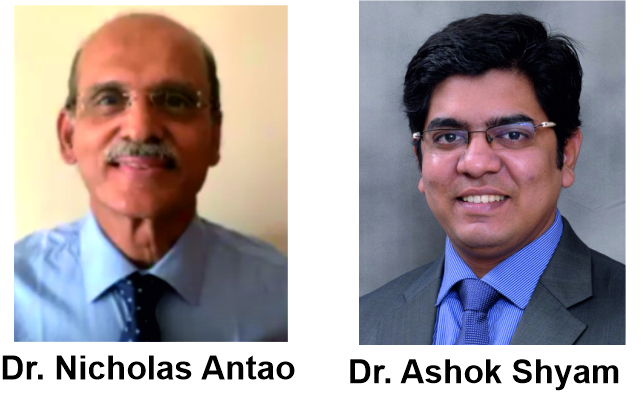
Journal of Clinical Orthopaedics | Vol Vol 5 | Issue 1 |  Jan-Jun 2020 | page:1-2 | Dr. Nicholas Antao, Dr. Ashok Shyam


Author: Dr. Nicholas Antao [1], Dr. Ashok Shyam [2, 3]

[1] Hill Way Clinic, Hill N Dale Building, 4th Floor, Hill Road, Bandra West, Mumbai – 400050
[2] Sancheti Institute for Orthopaedics and Rehablitation, Pune, India
[3] Indian Orthopaedic Research Group, Thane, India.

Address of Correspondence
Dr. Nicholas Antao
Head of Dept. of Orthopaedics, Holy Spirit Hospital, Mahakali Road, Andheri (E), Mumbai – 400093 India.
Email: narantao@gmail.com


Is Telemedicine here to stay?

Clinical medicine has evolved over the years and time. It involves listening to the patient complaints, analysing them, and then correlating them with the symptoms and signs to arrive at a suitable diagnosis. Our teachers were so clinically astute, and were thorough in the examination and elicitation of the signs of the clinical disorder of the patient, which always left a vivid lasting impression on the student. They hammered these principles in our minds during our training. As exam going students, we would be expected to perfect this clinical judgement and have both a diagnosis and thoughts of differential diagnosis at hand.
In a busy orthopaedic OPD in a public hospital, there were patients who would come over and over again, so much so, their thick OPD papers with standard (ctall) continue all, one wondered at the motivation of these patients to keep coming to see the doctor, and to take the same tablets over and over again. Were they there to experience the care and compassion of the doctor’s touch? or the value of being healed in their pain. Surprisingly this feel good factor seemed to mitigate the discomfort of waiting for hours in endless queues. There were certainly an equal number with genuine complaints to be attended to, who were given suitable and sufficient time for proper assessment to arrive at a diagnosis.
In the Covid19 pandemic that we are experiencing, telemedicine has radically and quickly altered how medical practitioners can provide care to their patients, within approved guidelines. Technology is being made use of to deliver health care services. Some research studies provide theoretical and practical evidence on the significance of using telemedicine and virtual care for remote treatment of patients during this pandemic. It is felt that it reduces face to face contact among physicians and patients, social distancing and protect both the patient and the doctor from the infection.
In a vast country like India with its diverse culture and different level of educational and social backgrounds, people may not be accustomed to using this technology. In some of the smaller cities and towns, challenges like network connectivity disturbances in the bandwidth and even absence of smart phones and devices hinder the use of telemedicine.
Starting telemedicine services in government and semi government and charitable hospitals will entail not just a financial outlay but also call for sound technical support. Many hospitals do not have the resources and infrastructure to change their mind set and some institutions are even reluctant to upgrade their old systems to digital technology. The government needs to support the health system by infusing more funds to facilitate the availability of this technology.
Another great challenge with the introduction of telemedicine will be the inability to do the various clinical tests on the patients and solely rely on patients’ movements and imaging studies reports. The clinician will soon lose the clinical touch, and this will result an attempt to treat the imaging diagnosis, rather than tailor the treatment to the patient needs and symptomatology and signs.
Telemedicine is necessary and it is a powerful tool in the hands of medicine and it is the field which is emerging and futuristic. However there are issues of not having proper legislation in place, challenges of upgrading the infrastructure, training of the staff, financial constraints, irregularity of the band width which can be a major constraint in the further application of the digital technology and widespread usage, and for the individual patient not having the proper technology backup to avail of telemedicine facilities may be an area of concern. Issues relating to payment for services rendered will have to be analysed, as in some cases and most especially for senior citizens, transfer of funds and payments via portals, may be a challenge.
Although telemedicine will give the medical professional an opportunity to social distancing and work during a pandemic, it will contradict and oppose our clinical acumen that is our hallmark of our profession. With telemedicine, we run the risk of challenging our professional joy of using our professional expertise to arrive at a diagnosis and treat the patient with a holistic approach.

Dr Nicholas Antao
Dr Ashok Shyam.


How to Cite this article: Antao N, Shyam AK. Is Telemedicine here to stay?. Journal of Clinical Orthopaedics Jan-Jun 2020;5(1):1-2.


(Abstract    Full Text HTML)   (Download PDF)


Translate this page into:

Cartilage Repair: What Works in Young Arthritic Knees

Journal of Clinical Orthopaedics | Vol 5 | Issue 1 |  Jan-Jun 2020   | page: 8-14 | Gonzalo Samitier, Gustavo Vinagre, Patricia Laiz Boada, Montserrat Cugat Balletbó, Maria Sava, Eduard Alentorn-Geli, Ramón Cugat Bertomeu


Author:Gonzalo Samitier [1], Gustavo Vinagre [3], Patricia Laiz Boada [1,2], Montserrat Cugat Balletbó [1,2], Maria Sava [4], Eduard Alentorn-Geli [5], Ramón Cugat Bertomeu [5].

[1] Department of Orthopaedic and Traumatology Surgery at Instituto Cugat, Barcelona.
[2] Fundación García Cugat, Barcelona.
[3] Department of Orthopaedic Surgery, Aspetar Orthopaedic & Sports Medicine Hospital, Doha, Qatar.
[4] Western University oh Health Sciences, Pomona, California, United States.
[5] Mutualidad de Futbolistas Españoles, Delegación Catalana, Federación Española de Fútbol, Barcelona, Spain.

Address of Correspondence
Dr. Gonzalo Samitier,
Department of Orthopaedic and Traumatology Surgery at Instituto Cugat, Barcelona.
E-mail: gsamitier@sportrauma.com


Abstract

Cartilage repair is one of the most challenging treatments due to the specificity, complex structure and biomechanical behavior of the cartilage tissue. Chondral injuries and damage have several clinical implications and can lead to patients’ daily and sports limitations or restrictions, along with future degeneration.There are various cartilage surgical techniques described for cartilage repair and further research has been made to improve orthobiological assessment for those conditions. In this review article we aim for an updated overview of what can works in young arthritic knees..
Keywords: Cartilage, Chondral, orthobiological, arthritic knees.


References

1. Cole BJ, Pascual-Garrido C, Grumet RC. Surgical management of articular cartilage defects in the knee. J Bone Joint Surg Am. 2009;91(7):1778-90.
2. Gudas R, Simonaityte R, Cekanauskas E, Tamosiunas R. A prospective, randomized clinical study of osteochondral autologous transplantation versus microfracture for the treatment of osteochondritis dissecans in the knee joint in children. J Pediatr Orthop. 2009;29(7):741-8.
3. Knutsen G, Drogset JO, Engebretsen L, Grontvedt T, Ludvigsen TC, Loken S, et al. A Randomized Multicenter Trial Comparing Autologous Chondrocyte Implantation with Microfracture: Long-Term Follow-up at 14 to 15 Years. J Bone Joint Surg Am. 2016;98(16):1332-9.
4. Steadman JR, Briggs KK, Rodrigo JJ, Kocher MS, Gill TJ, Rodkey WG. Outcomes of microfracture for traumatic chondral defects of the knee: average 11-year follow-up. Arthroscopy. 2003;19(5):477-84.
5. De Windt TS, Bekkers JE, Creemers LB, Dhert WJ, Saris DB. Patient profiling in cartilage regeneration: prognostic factors determining success of treatment for cartilage defects. Am J Sports Med. 2009;37 Suppl 1:58S-62S.
6. Kreuz PC, Muller S, Ossendorf C, Kaps C, Erggelet C. Treatment of focal degenerative cartilage defects with polymer-based autologous chondrocyte grafts: four-year clinical results. Arthritis Res Ther. 2009;11(2):R33.7. Noyes FR, Stabler CL. A system for grading articular cartilage lesions at arthroscopy. Am J Sports Med. 1989;17(4):505-13.
7. Noyes FR, Stabler CL. A system for grading articular cartilage lesions at arthroscopy. Am J Sports Med. 1989;17(4):505-13.
8. Goyal D, Keyhani S, Lee EH, Hui JH. Evidence-based status of microfracture technique: a systematic review of level I and II studies. Arthroscopy. 2013;29(9):1579-88.
9. Williams RJ, 3rd, Harnly HW. Microfracture: indications, technique, and results. Instr Course Lect. 2007;56:419-28.
10. Eldracher M, Orth P, Cucchiarini M, Pape D, Madry H. Small subchondral drill holes improve marrow stimulation of articular cartilage defects. Am J Sports Med. 2014;42(11):2741-50.
11. Chung JY, Lee DH, Kim TH, Kwack KS, Yoon KH, Min BH. Cartilage extra-cellular matrix biomembrane for the enhancement of microfractured defects. Knee Surg Sports Traumatol Arthrosc. 2014;22(6):1249-59.
12. Shive MS, Stanish WD, McCormack R, Forriol F, Mohtadi N, Pelet S, et al. BST-CarGel(R) Treatment Maintains Cartilage Repair Superiority over Microfracture at 5 Years in a Multicenter Randomized Controlled Trial. Cartilage. 2015;6(2):62-72.
13. Kordas G, Szabo JS, Hangody L. Primary stability of osteochondral grafts used in mosaicplasty. Arthroscopy. 2006;22(4):414-21.
14. Solheim E, Hegna J, Inderhaug E. Long-term clinical follow-up of microfracture versus mosaicplasty in articular cartilage defects of medial femoral condyle. Knee. 2017;24(6):1402-7.
15. Nakagawa Y, Mukai S, Setoguchi Y, Goto T, Furukawa T, Nakamura T. Clinical Outcomes of Donor Sites After Osteochondral Graft Harvest From Healthy Knees. Orthop J Sports Med. 2017;5(10):2325967117732525.
16. Pearce SG, Hurtig MB, Clarnette R, Kalra M, Cowan B, Miniaci A. An investigation of 2 techniques for optimizing joint surface congruency using multiple cylindrical osteochondral autografts. Arthroscopy. 2001;17(1):50-5.
17. Solheim E, Oyen J, Hegna J, Austgulen OK, Harlem T, Strand T. Microfracture treatment of single or multiple articular cartilage defects of the knee: a 5-year median follow-up of 110 patients. Knee Surg Sports Traumatol Arthrosc. 2010;18(4):504-8.
18. Lopez-Alcorocho JM, Aboli L, Guillen-Vicente I, Rodriguez-Inigo E, Guillen-Vicente M, Fernandez-Jaen TF, et al. Cartilage Defect Treatment Using High-Density Autologous Chondrocyte Implantation: Two-Year Follow-up. Cartilage. 2018;9(4):363-9.
19. Brittberg M. Autologous chondrocyte implantation–technique and long-term follow-up. Injury. 2008;39 Suppl 1:S40-9.
20. Kraeutler MJ, Belk JW, Carver TJ, McCarty EC. Is Delayed Weightbearing After Matrix-Associated Autologous Chondrocyte Implantation in the Knee Associated With Better Outcomes? A Systematic Review of Randomized Controlled Trials. Orthop J Sports Med. 2018;6(5):2325967118770986.
21. Cinque ME, Kennedy NI, Moatshe G, Vinagre G, Chahla J, Hussain ZB, et al. Osteochondral Allograft Transplants for Large Trochlear Defects. Arthrosc Tech. 2017;6(5):e1703-e7.
22. Sherman SL, Garrity J, Bauer K, Cook J, Stannard J, Bugbee W. Fresh osteochondral allograft transplantation for the knee: current concepts. The Journal of the American Academy of Orthopaedic Surgeons. 2014;22(2):121-33.
23. Chahal J, Gross AE, Gross C, Mall N, Dwyer T, Chahal A, et al. Outcomes of osteochondral allograft transplantation in the knee. Arthroscopy. 2013;29(3):575-88.
24. Cugat R, Alentorn-Geli E, Steinbacher G, Alvarez-Diaz P, Cusco X, Seijas R, et al. Treatment of Knee Osteochondral Lesions Using a Novel Clot of Autologous Plasma Rich in Growth Factors Mixed with Healthy Hyaline Cartilage Chips and Intra-Articular Injection of PRGF. Case Rep Orthop. 2017;2017:8284548.
25. Cugat R, Alentorn-Geli E, Navarro J, Cusco X, Steinbacher G, Seijas R, et al. A novel autologous-made matrix using hyaline cartilage chips and platelet-rich growth factors for the treatment of full-thickness cartilage or osteochondral defects: Preliminary results. J Orthop Surg (Hong Kong). 2020;28(1):2309499019887547.
26. Themistocleous GS, Chloros GD, Kyrantzoulis IM, Georgokostas IA, Themistocleous MS, Papagelopoulos PJ, et al. Effectiveness of a single intra-articular bone marrow aspirate concentrate (BMAC) injection in patients with grade 3 and 4 knee osteoarthritis. Heliyon. 2018;4(10):e00871.
27. Otsuru S, Gordon PL, Shimono K, Jethva R, Marino R, Phillips CL, et al. Transplanted bone marrow mononuclear cells and MSCs impart clinical benefit to children with osteogenesis imperfecta through different mechanisms. Blood. 2012;120(9):1933-41.
28. Gupta PK, Thej C. Mesenchymal stromal cells for the treatment of osteoarthritis of knee joint: context and perspective. Ann Transl Med. 2019;7(Suppl 6):S179.
29. Gobbi A, Karnatzikos G, Sankineani SR. One-step surgery with multipotent stem cells for the treatment of large full-thickness chondral defects of the knee. Am J Sports Med. 2014;42(3):648-57.
30. Rodriguez L. SR, Codinach M., Torrents S., Cusco X., Garcia J., Cugat R. . Processing volumes and therapeutic cellular doses of point of care bone marrow concentrates. . Int J of Orth 2016(August 23; 3(4): 621-626. ).
31. Centeno C, Sheinkop M, Dodson E, Stemper I, Williams C, Hyzy M, et al. A specific protocol of autologous bone marrow concentrate and platelet products versus exercise therapy for symptomatic knee osteoarthritis: a randomized controlled trial with 2 year follow-up. J Transl Med. 2018;16(1):355.
32. Gobbi A, Karnatzikos G, Scotti C, Mahajan V, Mazzucco L, Grigolo B. One-Step Cartilage Repair with Bone Marrow Aspirate Concentrated Cells and Collagen Matrix in Full-Thickness Knee Cartilage Lesions: Results at 2-Year Follow-up. Cartilage. 2011;2(3):286-99.26. Themistocleous GS, Chloros GD, Kyrantzoulis IM, Georgokostas IA, Themistocleous MS, Papagelopoulos PJ, et al. Effectiveness of a single intra-articular bone marrow aspirate concentrate (BMAC) injection in patients with grade 3 and 4 knee osteoarthritis. Heliyon. 2018;4(10):e00871.
27. Otsuru S, Gordon PL, Shimono K, Jethva R, Marino R, Phillips CL, et al. Transplanted bone marrow mononuclear cells and MSCs impart clinical benefit to children with osteogenesis imperfecta through different mechanisms. Blood. 2012;120(9):1933-41.
28. Gupta PK, Thej C. Mesenchymal stromal cells for the treatment of osteoarthritis of knee joint: context and perspective. Ann Transl Med. 2019;7(Suppl 6):S179.
29. Gobbi A, Karnatzikos G, Sankineani SR. One-step surgery with multipotent stem cells for the treatment of large full-thickness chondral defects of the knee. Am J Sports Med. 2014;42(3):648-57.
30. Rodriguez L. SR, Codinach M., Torrents S., Cusco X., Garcia J., Cugat R. . Processing volumes and therapeutic cellular doses of point of care bone marrow concentrates. . Int J of Orth 2016(August 23; 3(4): 621-626. ).
31. Centeno C, Sheinkop M, Dodson E, Stemper I, Williams C, Hyzy M, et al. A specific protocol of autologous bone marrow concentrate and platelet products versus exercise therapy for symptomatic knee osteoarthritis: a randomized controlled trial with 2 year follow-up. J Transl Med. 2018;16(1):355.
32. Gobbi A, Karnatzikos G, Scotti C, Mahajan V, Mazzucco L, Grigolo B. One-Step Cartilage Repair with Bone Marrow Aspirate Concentrated Cells and Collagen Matrix in Full-Thickness Knee Cartilage Lesions: Results at 2-Year Follow-up. Cartilage. 2011;2(3):286-99.
33. Gobbi A, Whyte GP. Long-term Clinical Outcomes of One-Stage Cartilage Repair in the Knee With Hyaluronic Acid-Based Scaffold Embedded With Mesenchymal Stem Cells Sourced From Bone Marrow Aspirate Concentrate. Am J Sports Med. 2019;47(7):1621-8.


How to Cite this article: Samitier G, Vinagre G, Laiz P, García M, Sava M, Alentorn-Geli E, Cugat R.| Cartilage Repair: What Works in Young Arthritic Knee | Journal of Clinical Orthopaedics | January-June 2020; 5(1):8-14.

(Abstract    Full Text HTML)   (Download PDF)


Translate this page into:

Posterior shoulder instability

Journal of Clinical Orthopaedics | Vol 5 | Issue 1 |  Jan-Jun 2020   | page: 31-35 | E. Taverna, A.Spreafico, C. Perfetti, V. Guarrella


Author: E. Taverna [1], A.Spreafico [1,2], C. Perfetti [1], V. Guarrella [1]

[1] IRCCS Istituto ortopedico Galeazzi, Milan, Italy
[2] Università degli studi di Milano, Scuola di specializzazione in Ortopedia e Traumatologia

Address of Correspondence
Dr. E. Taverna,
IRCCS Istituto ortopedico Galeazzi, Milan, Italy
E-mail: vguarrella@hotmail.com


Abstract

Normally, shoulder movements are well balanced through an interplay between static structures (bone and soft tissues as capsule, ligaments and labrum) and muscular dynamic stabilizers (muscles and tendons). Dysfunction of one or more of these components due to an injury, degeneration or congenital abnormalities may lead to shoulder instability with concomitant pain and dysfunction. This article provides an overview of the soft tissue and bony anatomy of the shoulder joint and pathopysiology of shoulder instability. It also covers the important aspects of clinical examination and special test for diagnosis of shoulder instability. A brief over view of conservative and surgical management protocols for shoulder instability are also covered in view of recent literature and authors experience.
Keywords: Posterior shoulder instability, conservative treament, Surgical management, arthroscopy.


References

1. Robinson CM, Dobson RJ. Anterior instability of the shoulder after trauma. J Bone Joint Surg [Br] 2004;86-B(4):469–479.
2. Rowe CR, Yee LB. A posterior approach to the shoulder. J Bone Joint Surg. 1944;26:580.
3. Steinmann SP. Posterior shoulder instability. Arthroscopy 2003; 19 Suppl 1: 102
4. Owens BD, Duffey ML, Nelson BJ, et al. The incidence and characteristics of shoulder instability at the United Statesmilitary academy. Am J Sports Med. 2007;35:1168–1173.
5. Robinson CM, Aderinto J. Current concepts review: recurrent posterior shoulder instability. J Bone Joint Surg Am. 2005;87: 883–892.
6. Tannenbaum EP, Sekiya JK. Posterior shoulder instability in the contact athlete. Clin Sports Med. 2013;32:781–796.
7. Brewer BJ, Wubben RC, Carrera GF. Excessive retroversion of the glenoid cavity. A cause of non- traumaticposterior instability of the shoulder. J Bone Joint Surg Am. 1986;68:724–31.
8. Dekker TJ, Peebles LA, Goldenberg BT, Millett PJ, Bradley JP, Provencher MT. Location of the Glenoid Defect in Shoulders With Recurrent Posterior Glenohumeral Instability. Am J Sports Med. 2019 Oct 16:363546519876282
9. Meyer DC, Ernstbrunner L, Boyce G, Imam MA, El Nashar R, Gerber C. Posterior Acromial Morphology Is Significantly Associated with Posterior Shoulder Instability.J Bone Joint Surg Am. 2019 Jul 17;101(14):1253-1260.
10. Blasier RB, Soslowsky LJ, Malicky DM, Palmer ML. Posterior glenohumeral subluxation: active and passive stabilization in a biomechanical model. J Bone Joint Surg Am 1997; 79: 433-440.
11. Kim S, Ha K, Park J, Kim Y, Lee Y, Lee J, Yoo J. Arthroscopic posterior labral repair and capsular shift for traumatic unidirectional recurrent posterior subluxation of the shoulder. J Bone Joint Surg Am. 2003;85:1479–87.
12. Beighton P, Solomon L, Soskolne CL. Articular mobility in an African population. Ann Rheum Dis. 1973;32:413–418.
13. Saliken DJ, Bornes TD, Bouliane MJ, Sheps DM, Beaupre LA. Imaging methods for quantifying glenoid and Hill-Sachs bone loss in traumatic instability of the shoulder: a scoping review. BMC Musculoskelet Disord. 2015 Jul 18;16:164.
14. Burkhead Jr WZ, Rockwood Jr CA. Treatment of instability of the shoulder with an exercise program. J Bone Joint Surg Am. 1992;74:890–6.
15. McIntyre K, Be´langer A, Dhir J, et al. Evidence-based conservative rehabilitation for posterior glenohumeral instability: a systematic review. Phys Ther Sport. 2016;22:94–100.
16. Schwartz E, Warren RF, O’Brien SJ, Fronek J. Posterior shoulder instability. Orthop Clin N Am. 1987;18:409–19.
17. Woodmass JM, Lee J, Johnson NR, Wu IT, Camp CL, Dahm DL, Krych AJ. Nonoperative Management of Posterior Shoulder Instability: An Assessment of Survival and Predictors for Conversion to Surgery at 1 to 10 Years After Diagnosis. Arthroscopy. 2019 Jul;35(7):1964-1970.
18. Saupe N, White LM, Bleakney R, Schweitzer ME, Recht MP, Jost B, Zanetti M. Acute traumatic posterior shoulder dislocation: MR findings. Radiology 2008; 248: 185-193.
19. Peat M. Functional anatomy of the shoulder complex. Phys Ther 1986; 66: 1855-1865.
20. Barbier O, Ollat D, Marchland JP, Versier G. Iliac bone-block autograft for posterior shoulder instability. Rev Chir Orthop Traumatol. 2009;95:100–7.
21. Métais P, Grimberg J, Clavert P, Kouvalchouk JF, Sirveaux F, Nourissat G, Garret J, Mansat P, Godenèche A; French Arthroscopy Society. Posterior shoulder instability managed by arthroscopic acromial pediculated bone-block. Technique. Orthop Traumatol Surg Res. 2017 Dec;103(8S):S203-S206
22. D’Ambrosi R, Perfetti C, Garavaglia G, Taverna E. One step arthroscopically assisted Latarjet and posterior bone-block, for recurrent posterior instability and anterior traumatic dislocation. Int J Shoulder Surg. 2015 Jul-Sep;9(3):94-8
23. Cerciello S, Enrico V, Morris BJ, Corona K. Bone block procedures in posterior shoulder instability. Knee Surg Sports Traumatol Arthrosc. 2016;24(2):604–11.
24. Inui H, Nobuhara K.Glenoid osteotomy for atraumatic posteroinferior shoulder instability associated with glenoid dysplasia. Bone Joint J 2018;100-B:331-7.
25. Mc LH. Posterior dislocation of the shoulder. J Bone Joint Surg Am. 1952;24 a:584–590.
26. Dueya RE, Burkhart SS. Arthroscopic treatment of a reverse Hill-Sachs lesion. Arthrosc Tech. 2013;2:e155–9.
27. Meuffels DE, Schuit H, van Biezen FC, Reijman M, Verhaar JA. The posterior bone block procedure in posterior shoulder instability: a long-term follow-up study. J Bone Joint Surg Br 2010; 92: 651-655
28. Bradley JP, McClincy MP, Arner JW, Tejwani SG. Arthroscopic capsulolabral reconstruction for posterior instability of the shoulder: a prospective study of 200 shoulders. Am J Sports Med 2013; 41: 2005-2014
29. Seppel G, Braun S, Imhoff AB. Surgical Management of Posterior Shoulder Instability. ISAKOS: Brockmeier SF, 2013.


How to Cite this article: Taverna E, Spreafico A, Perfetti C, Guarrella V. Posterior shoulder instability. Journal of Clinical Orthopaedics Jan-June 2020;5(1):31-35.

(Abstract    Full Text HTML)   (Download PDF)


Translate this page into:

Surgical site infection following spine surgery

Journal of Clinical Orthopaedics | Vol 4 | Issue 2 |  July-Dec 2019 | page:38-44 | Dr. Kshitij Chaudhary, Dr. Gautam Zaveri


Author: Kshitij Chaudhary [1], Gautam Zaveri [1]

[1] Sir HN Reliance Foundation Hospital and Research Center, Mumbai
[2] Department of Spine Surgery, Jaslok Hospital & Research Centre.

Address of Correspondence
Dr. Kshitij Chaudhary
Sir HN Reliance Foundation Hospital and Research Center, Mumbai
E-mail: chaudhary.kc@gmail.com


Abstract

Surgical site infection in spine surgery is a devastating complication not only from a medical perspective but also from an economic standpoint. Early detection and debridement are necessary, especially if one has to retain the instrumentation. In late infection, if the fusion is confirmed, implant exit can be performed to better treat the infection. The current review focuses on the decision making in Surgical site infections in Spine Surgery
Keywords: Surgical site infection, Spine Surgery, implant


References

1. Fang C, Wong T-M, To KK, Wong SS, Lau T-W, Leung F. Infection after fracture osteosynthesis – Part II. J Orthop Surg. 2017;25(1):230949901769271.
2. Falagas ME, Karageorgopoulos DE. Pandrug Resistance (PDR), Extensive Drug Resistance (XDR), and Multidrug Resistance (MDR) among Gram‐Negative Bacilli: Need for International Harmonization in Terminology. Clin Infect Dis. 2008;46(7):1121-1122.
3. Willenegger H, Roth B. [Treatment tactics and late results in early infection following osteosynthesis]. Unfallchirurgie 1986;12:241–246.
4. Trampuz A, Zimmerli W. Diagnosis and treatment of infections associated with
fracture-fixation devices. Injury 2006;37:S59–S66.
5. W.J. Metsemakers et al. Infection after Fracture Fixation: Current surgical and microbiological concepts. Injury, Int. J. Care Injured 49 (2018) 511–522
6. Steinmetz et al. Infection after Fracture Fixation. EFORT Open Rev 2019; 4: 468-475.


How to Cite this article: Chaudhary K, Zaveri G. Surgical site infection following spine surgery. Journal of Clinical Orthopaedics July-Dec 2019;4(2):38-44.

(Abstract    Full Text HTML)   (Download PDF)


Translate this page into:

Fracture Related Surgical Site Infections

Journal of Clinical Orthopaedics | Vol 4 | Issue 2 |  July-Dec 2019 | page:33-37 | Dr. Aditya Menon, Vikas Agashe, Dr. Camilla Rodrigues, Dr. Anjali Shetty, Dr. Rajeev Soman, Dr. Bimal Mody, Dr. Ayesha Sunavala


Author: Aditya Menon [1], Vikas Agashe [1], Camilla Rodrigues [1],  Anjali Shetty [1], Rajeev Soman [1], Bimal Mody [1], Ayesha Sunavala [1]

[1] PD Hinduja National Hospital, Mahim

Address of Correspondence
Dr. Aaditya Menon,
PD Hinduja National Hospital, Mahim
Email: docmenon83@gmail.com


Abstract

Surgical site infections following operative treatment of fractures are challenging because of the presence of implants and the problem of fracture healing. The senior author (VA) recommends a 6 legged table concept for good outcomes when dealing with surgical site infections in orthopaedics. This includes early detection of infection, radical debridement, local measures to control wound infection, early soft tissue cover, provision of adequate stability and targeted antibiotics for adequate duration.
Keywords: Surgical site infection, fractures, implant.


References

1. Fang C, Wong T-M, To KK, Wong SS, Lau T-W, Leung F. Infection after fracture osteosynthesis – Part II. J Orthop Surg. 2017;25(1):230949901769271.
2. Falagas ME, Karageorgopoulos DE. Pandrug Resistance (PDR), Extensive Drug Resistance (XDR), and Multidrug Resistance (MDR) among Gram‐Negative Bacilli: Need for International Harmonization in Terminology. Clin Infect Dis. 2008;46(7):1121-1122.
3. Willenegger H, Roth B. [Treatment tactics and late results in early infection following osteosynthesis]. Unfallchirurgie 1986;12:241–246.
4. Trampuz A, Zimmerli W. Diagnosis and treatment of infections associated with
fracture-fixation devices. Injury 2006;37:S59–S66.
5. W.J. Metsemakers et al. Infection after Fracture Fixation: Current surgical and microbiological concepts. Injury, Int. J. Care Injured 49 (2018) 511–522
6. Steinmetz et al. Infection after Fracture Fixation. EFORT Open Rev 2019; 4: 468-475.


How to Cite this article: Menon A, Agashe V, Rodrigues C, Shetty A, Soman R, Mody B, Sunavala A. Fracture Related Surgical Site Infections. Journal of Clinical Orthopaedics July-Dec 2019;4(2):33-37.

(Abstract    Full Text HTML)   (Download PDF)


Translate this page into:

Surgical Site Infections in Orthopaedics: The Role of Antibiotics

Journal of Clinical Orthopaedics | Vol 4 | Issue 2 |  July-Dec 2019 | page:26-32 | Dr. Mala V. Kaneria, Dr. Gautam Zaveri


Author: Dr. Mala V. Kaneria [1,2,3], Dr. Gautam Zaveri [4,5,6]

[1] Department of Medicine, T.N.Medical College and B.Y.L.Nair Ch. Hospital
[2] Kasturba Hospital for Infectious Diseases
[3] Consultant in Infectious Diseases and Tropical Medicine, Jaslok Hospital and Research Centre
[4] Department of Orthopaedics, Rajawadi Municipal Hospital, Mumbai
[5] Department of Spine Surgery, Jaslok Hospital & Research Centre
[6] Consultant Spine Surgeon,Reliance HN, Fortis, Zen Hospital, Mumbai

Address of Correspondence
Dr. Gautam Zaveri
Jaslok Hospital & Research Centre, Mumbai
E-mail: gautamzaveri1969@gmail.com


Abstract

Inspite of advancements of surgical techniques and operating room technologies, surgical site infections still remain a major problem. Bacteria have also evolved specially in nosocomial settings and both prophylactic and therapeutic use of antibiotics has to be rationally decided based on individual cases.
Keywords: Surgical site infections, orthopaedics, antibiotics, prophylaxis.


References

1. Cooper RA. Surgical site infections: epidemiology and microbiological aspects in trauma and orthopaedic surgery. Int Wound J 2013; 10 (suppl. 1):3–8
2. Onyekwelu I, Yakkanti R, Protzer L, et al. Surgical Wound Classification and Surgical Site Infections in the Orthopaedic Patient.J of AAOS Glob Res Rev. 2017 Jun; 1(3): e022
3. Anderson DJ and Sexton DJ. Antimicrobial prophylaxis for prevention of surgical site infection in adults. Up To Date (2015): 1-31
4. Bratzler DW, Hunt DR. The surgical infection prevention and surgical care improvement projects: national initiatives to improve outcomes for patients having surgery. Clin Infect Dis 2006; 43:322
5. Tonya C, Rodvold KA, and. Solomkin JS. Vancomycin for Surgical Prophylaxis? Clinical Infectious Diseases 2012 May 15; 54 (10): 1474- 1479
6. Al Buhairan B, Hind D, Hutchinson A. Antibiotic prophylaxis for wound infections in total joint arthroplasty: A systematic review. JBJS Br. 2008; 90:915–9
7. Wenzel RP. Minimizing surgical-site infections. NEJM 2010 Jan 7; 362 (1):75- 77
8. Ierano C,Nankervis MJ, James R, et al. Surgical antimicrobial prophylaxis.AustPrescr 2017 Dec;40 (6):225–229
9. Antimicrobial prophylaxis for surgery. Treat Guidel Med Lett 2012; 10:73
10. Dellinger EP, Hausmann SM, Bratzler DW, et al. Hospitals collaborate to decrease surgical site infections. Am J Surg 2005 July; 190 (1):9-15
11. Goldmann DA, Hopkins CC, Karchmer AW, et al. Cephalothin prophylaxis in cardiac valve surgery. A prospective, double-blind comparison of two-day and six-day regimens. J Thorac Cardiovasc Surg 1977; 73:470
12. McDonald M, Grabsch E, Marshall C, Forbes A. Single- versus multiple-dose antimicrobial prophylaxis for major surgery: a systematic review. Aust N Z J Surg 1998; 68:388
13. Conte JE Jr, Cohen SN, Roe BB, Elashoff RM. Antibiotic prophylaxis and cardiac surgery. A prospective double-blind comparison of single-dose versus multiple-dose regimens. Ann Intern Med 1972; 76:943
14. Da Costa A, Kirkorian G, Cucherat M, et al. Antibiotic prophylaxis for permanent pacemaker implantation: a meta-analysis. Circulation 1998; 97:1796
15. Martinez-Pastor JC, Vilchez F, Pitart C, Sierra JM, Soriano A. Antibiotic-resistance in orthopaedic surgery: acute knee prosthetic joint infections due to extended-spectrum beta-lactamase (ESBL)-producing Enterobacteriaceae. Eur J Microbiol Clin Dis 2010; 29:1039–41
16. Finkelstein R, Rabino G, Mashiah T, et al. Vancomycin versus cefazolin prophylaxis for cardiac surgery in the setting of a high prevalence of methicillin-resistant staphylococcal infections. J Thoracic Cardiovasc Surg 2002; 123:326
17. Bull AL, Worth LJ, Richards MJ. Impact of vancomycin surgical antibiotic prophylaxis on the development of methicillin-sensitive staphylococcus aureus surgical site infections: report from Australian Surveillance Data (VICNISS). Ann Surg 2012; 256:1089
18. Patzakis MJ, Wilkins J. Factors influencing infection rate in open fracture wounds. CORR 1989;243:36-40
19. Templeman DC, Gulli B, Tsukayama DT, Gustilo RB.Update on the management of open fractures of the tibial shaft. CORR 1998;350:18-25
20. Patzakis MJ, Wilkins J,Moore TM. Considerations in reducing the infection rate in open tibial fractures.CORR 1983; 178: 36- 41
21. PatzakisMJ, Wilkins J,Moore TM. Use of antibiotics in open tibial fractures. CORR 1983;178:31-35
22. Gustilo RB, Anderson JT. Prevention of infection in the treatment of one thousand and twenty-five open fractures of long bones: Retrospective and prospective analyses. J Bone Joint Surg Am. 1976; 58:453–8
23. Gustilo RB, Gruninger RP, Davis T. Classification of type III (severe) open fractures relative to treatment and results. Orthopedics. 1987; 10:1781–8
24. Zalavras CG, Marcus RE, Levin LS, Patzakis MJ. Management of open fractures and subsequent complications. J Bone Joint Surg Am. 2007; 89:884–95
25. Cross WW III, Swintowski MF. Treatment principles in the management of open fractures. Ind J of Orthop 2008 Oct- Dec: 42(4): 377-386
26. Messsner J, Papakostidis C, Giannoudis PV, Kanakaris NK. Surg Infect 2017; Nov/Dec
27. Trebse R, Pisot V, Trampuz A. Treatment of infected retained implants. JBJS Br 2005; 87:249–56
28. Zimmerli W, Widmer AF, Blatter M, Frei R, Ochsner PE. Role of rifampin for treatment of orthopedic implant-related staphylococcal infections: a randomized controlled trial. Foreign-Body Infection (FBI) Study Group. JAMA 1998; 279:1537–41.
29. Diagnosis and Management of Prosthetic Joint Infection • CID 2013:56(1):e1-25
30. Leone S, Borre S, Monforte A, et al. Consensus document on controversial issues in the diagnosis and treatment of prosthetic joint infections. Int J Infect Dis 2010; 14(suppl 4): S67–77
31. Byren I, Bejon P, Atkins BL, et al. One hundred and twelve infected arthroplasties treated with ‘DAIR’ (debridement, antibiotics and implant retention): antibiotic duration and outcome. J Antimicrob Chemother 2009; 63:1264–71.


How to Cite this article: Kaneria M V, Zaveri G. Surgical Site Infections in Orthopaedics: The Role of Antibiotics. Journal of Clinical Orthopaedics July-Dec 2019;4(2):26-32.

(Abstract    Full Text HTML)   (Download PDF)


Translate this page into:

Surgical Site Infections in Orthopaedics: An Introduction

Journal of Clinical Orthopaedics | Vol 4 | Issue 2 |  July-Dec 2019 | page:5-6 |  Dr. Gautam Zaveri


Author: Dr. Gautam Zaveri [1]

[1] Department of Spine Surgery, Jaslok Hospital & Research Centre

Address of Correspondence
Dr. Gautam Zaveri,
Department of Spine Surgery, Jaslok Hospital & Research Centre
E-mail: gautamzaveri1969@gmail.com


Surgical Site Infections in Orthopaedics: An Introduction

Surgical site infections (SSIs) are defined as infections of tissues, organs or spaces exposed by surgeons during the performance of an invasive procedure, that occur within 30 days of surgery or within 1 year of surgery involving implants[1]. In the USA, SSIs are ranked third amongst all reported cases of inpatient nosocomial infections [2,3]. Approximately, 5,00,000 SSIs are reported in the USA every year (2.8 per 100 operations) [4], accounting for 16% of nosocomial infections in all hospitalized patients [5]. Between 30,000- 35,000 SSIs are reported annually in the USA following the performance of an orthopaedic invasive procedure[6]. In a developing nation such as India where surgeries are performed in operating theatres with varying standards and practice of asepsis, the incidence of SSIs is estimated to be many folds higher. As our horizons continue to expand, and we are called upon to perform more complex procedures on patients who are elderly, immuno-compromised and with multiple medical comorbidities, the incidence of SSIs is likely to rise further.
Orthopaedic surgeons have always dreaded SSIs. They compromise the outcome of an otherwise successful surgery resulting in increased suffering, disability, morbidity and mortality and may often compromise the eventual outcome. Besides SSIs result in more extended hospitalization, increased direct and indirect costs, loss of work hours and even job loss. Whitehouse et al. performed a case-controlled study to look at the outcomes following SSIs in orthopaedics [7]. They reported an increase in hospital stay by a median of 2 weeks per patient, approximately double rehospitalization rates and increased healthcare costs by more than 300%. They also found patients with SSIs to have substantially higher physical limitations and significant reductions in health-related quality of life.
Early detection of wound infection requires careful vigilance by the operating team. Pain that is out of proportion to the nature of surgery, fever and difficulty in moving the limb are early signs of infection that may appear even before the surgical site shows signs of infection such as local warmth, tenderness, redness, shininess, oedema, induration and discharge. Laboratory tests and x-rays are of limited use in diagnosing an early infection. In the immediate postoperative setting, an MRI scan is also of limited use because soft tissue hyperintensities and fluid collections are typically seen within the wound at this time. Obtaining a tissue sample to isolate an organism is vital in planning the subsequent treatment.
SSIs in orthopaedics is especially challenging because of the large muscle bulk, the problem of persistence of infection within the bone and the formation of biofilms on dead bone and implants. The treatment of an established SSI entails source control, coupled with targeted anti-biotics. Source control involves drainage of purulent material, physical debride-ment of dead and infected tissue including bone, and copious irrigation of the wound. Implants can be retained, removed or replaced based on the progress of bone healing, the formation of biofilms and the fixation of the implant within the bone. A variety of techniques can be used to obtain local control of infection including antibiotic-loaded cement beads, biocomposites like Stimulan coupled with antibiotics or application of silver nitrate solution. In severe infections, especially in the presence of implants, primary wound closure is avoided and negative pressure wound therapy is used to obtain a reduction in local infection, to promote granulation and healing of the wound. Occasionally, especially for extremity wounds, a flap may be required to cover exposed implant/ bone/ joints/ tendons / nerves. Antibiotics must be targeted to the organism isolated and administered for prolonged periods (8 to 12 weeks or even longer). Rifamycins are active against biofilms of staphylococci and fluoroquinolones against those of gram-negative bacilli.
The endpoint of stopping antibiotics and declaring complete eradication of infection has not yet been clearly outlined in the literature. No single investigation or clinical sign in isolation can help determine the healing of the infection. Clinical improvement wound healing, reduction in CRP, ESR and Total WBC count, MRI evidence of reduction in soft tissue hyperintensities, fluid collection and bone marrow oedema, fatty conversion of bone marrow with fusion, and a negative bone scan are some of the features of a healed infection.
In spite of considerable improvements in the operating room environment, surgical techniques and aseptic practices, SSIs continue to constitute a significant challenge for the medical team and healthcare institutions. A multipronged approach involving surveillance, antimicrobial prophylaxis, eradication of carrier status, infection control program-mes and education is vital to reduce the risk of SSI. The old adage, “An Ounce of Prevention is better than a Pound of Cure” is aptly suited to the problem of surgical site infections in orthopaedics.


References

1. Guideline for Prevention of Surgical Site Infection (2017). Centre for disease control and prevention. https://www.cdc.gov/infectioncontrol/guidelines/ssi/index.html accessed 15th March 2019
2. Haley RW, Culver DH, White JW, et al. The nation-wide nosocomial infection rate: a new need for vital statistics. Am J Epidemiology 1985; 121: 159- 167 Epidemiol 1985;121:159-167.
3. Horan TC, Culver DH, Gaynes RP, et al. Nosocomial infections in surgical patients in the United States, January 1986–June 1992. Infect Control Hosp Epidemiology 1993; 14:73-80
4. Jarvis WR. Selected aspects of the socioeconomic impact of nosocomial infections: morbidity, mortality, cost, and prevention. Infect Control Hosp Epidemiology 1996; 17:552- 557 Epidemiol 1996;17:552-557
5. Lee J, Singletary R, Schmader K, et al: Surgical site infection in the elderly following orthopaedic surgery. Risk factors and outcomes. J Bone Joint Surg Am 2006; 88:1705-1712
6. Greene LR: Guide to the elimination of Orthopaedic surgery surgical site infections: An executive summary of the Association for Professionals in Infection Control and Epidemiology elimination guide. Am J Infect Control 2012; 40:384-386
7. Whitehouse JD, Friedman D, Kirkland KB, et al. The impact of surgical site infections following orthopaedic surgery at a community hospital and a university hospital: Adverse quality of life, excess length of stay and extra costs. Inf Control & Hosp Epidemiology 2002; 23: 183- 189.


How to Cite this article: Zaveri G. Surgical Site Infections in Orthopaedics: An Introduction. Journal of Clinical Orthopaedics July-Dec 2019;4(2):5-6.

(Abstract    Full Text HTML)   (Download PDF)


Translate this page into:

Ethical marketing of Pharmaceutical products appliances by Medical practitioners

Journal of Clinical Orthopaedics | Vol 4 | Issue 2 |  July-Dec 2019 | page:2-4 | Dr. Anukant Mittal


Author: Dr. Anukant Mittal [1]

[1] Head of dept of Psychiatry, Rajiv Gandhi Memorial hospital, Academic Dean of FIAMC Biomedical Ethics Centre Goregaon

Address of Correspondence
Dr. Anukant Mittal,
Head of dept of Psychiatry, Rajiv Gandhi Memorial hospital, Academic Dean of FIAMC Biomedical Ethics Centre Goregaon
E-mail: akmital@gmail.com


Ethical marketing of Pharmaceutical products appliances by Medical practitioners

Doctors and the pharmaceutical industry have significant common interests. To start, both are concerned with encouraging the use of existing drugs effectively and responsibly in the treatment and care, monitoring of their use, and innovative research.
However, both have different emphases and are answerable to various stakeholders. Doctors are concerned primarily in patient care and scientific advance, while the industry is mainly interested in commercial outcomes. The primary stakeholder for the Doctors is in patient care – the patient, whereas the principal stakeholder in the industry is – the shareholder. In spite of these shared interests and benefits of cooperation, concerns of an ethical nature arise between both the medical profession and the community. There are three main concerns:
1.The possibility that associations between doctors and drug companies may serve commercial objectives of industry and personal interests of clinicians rather than legitimate care, educational or research goals compromising the primary ethical objectives of doctors to patients, undermining the necessary foundation of trust on which clinical relationships depend;
2. The risk that drug promotion will unjustifiably influence doctors’ decisions;
3. The danger that industry involvement in research will lead to distortions, now proven in many cases worldwide, in scientific evidence & independent assessment of data.
An “interest” is a commitment, goal or value that arises out of a particular social relationship or practice. The possibility that dealings with drug companies might lead “conflict of interest”, has been of concern, but identifying such conflicts is not easy.

Sources of concern
It is common for relationships to be associated with several interests. Interests of medical practitioners include both altruistic as well as personal:
· Patient welfare
· Community welfare
· Research grants
· Advancement of career by participation in research
· Hospitality & pecuniary interests (eg, consultancy fees, shareholdings, paid sessions)
When a doctor is engaged in a relationship with a pharmaceutical company, a duality of interests exists. It can’t be assumed that such a duality will constitute a “conflict” in each case; this depends on the particular circumstances. Dualities of interest are common; conflicts relatively rare. Further, whereas the distinction between the two is sometimes clear-cut, at other times, it may be subtle and depend on values of the community within which it occurs. Dualities of interest constitute “conflicts” only when they are associated with competing obligations that are likely to lead directly to a compromise of primary responsibilities. To establish whether a conflict of interest exists, it is necessary for the factual details to be declared and for the community to have the opportunity to scrutinise the issues publicly.

Main areas are:
Drug promotion
Promotion and marketing (including advertising, gift-giving and support for medically-related activities such as travel to meetings), a considerable part of the activities of drug companies (consuming a quarter to a third of their entire budgets). It is estimated that, of this, a third is spent on advertising and a third on sales representatives, while the rest third is spent on physicians.

Advertising
Doctors generally perceive the way they practise to be determined by knowledge and evidence, but they often fail to recognise and underestimate the subtle and pervasive effects of pharmaceutical promotion. Some practitioners rely on pharmaceutical company representatives for much of their drug prosthesis and appliance information. There is considerable evidence that advertising affects clinical decision-making behaviour, As it does in every as an aspect of day to day life. Contact with drug company representatives leads to prescribing of their drugs and products; physicians exposed to advertising are more likely to accept commercial rather than well established scientific views, and is associated with an inability of some physicians to identify wrong claims and a propensity to engage in non-rational prescribing behaviour.

Gift giving
Gift-giving is another widespread drug-promotion strategy. A study showed that, over a period of one year, psychiatry residents and interns attended up to 35 meetings and 70 drug lunches and received up to 75 promotional items gifts. Although physicians deny that gifts influence their behaviour, there is clear evidence to the contrary. Those who met with pharmaceutical representatives were more likely to ensure inclusion of the company’s products in their prescriptions; those who accepted money to speak at symposia were more likely to do so, and those who accepted money to perform research were also more likely to do so.

Support for travel
There is evidence that drug company support for travel expenses changes the prescribing behaviour of practitioners, it has been shown that a physician who accepts money to travel to a symposium is more likely to prescribe a company-sponsored drug and product after such sponsorship than before.

Meeting sponsorship and continuing medical education activities
Support for meetings is an important issue. There are clearly common interests between professional societies, which are usually responsible for organising conferences, and the pharmaceutical industry: one stands to gain funding for their meetings and other activities, while, for the other, opportunities are provided to showcase their wares. However, the impressions that people go away with may be significantly altered by the choices of speakers and topics at meetings, which may have important implications for pharmaceutical companies, Indeed, sponsorship of conferences has been shown to lead to bias in favour of the sponsoring companies’ drugs, with increases in prescriptions for sponsors’ drugs in the six months after an event. Similarly, pharmaceutical support for continuing medical education (CME) activities leads to increased prescribing of sponsoring companies’ products. This occurs even when the course content is controlled by the society or institution and the drugs are referred to by their generic names only.

Control of publication and research outcomes
The effect of drug company sponsorship on research and publications is a significant issue. Briefly, there are many ways in which research findings can be directed towards producing the desired result, ranging from careful design of a trial and selection of drug doses to selective reporting of results or actual suppression of unfavorable outcomes, those with unfavorable results are never sent for publications. The prominence of a publication can be enhanced by paying authors to participate or publishing non-peer-reviewed material as a supplement in a respected journal.

Guidelines for action ( the new MCI code)
Professional bodies have considered these issues and other organisations, which have from time to time developed guidelines and codes of conduct for their members. Although opinions differ, no professional bodies or institutions have proposed a ban on interactions between doctors and the pharmaceutical industry. Indeed, it is accepted that such a policy would not serve the interests of any party. The most preferred approach is to develop a relationship that allows transparency and is based on clear, but non-coercive guidelines.
The MCI is a qausi-judicial body and its code, though not law, is ethically binding on all practitioners of modern medicine in India. The Medical Council of India (MCI) in an amendment to its existing code of conduct, the Indian Medical Council (Professional conduct, etiquette and ethics) regulations2002, has proposed sweeping guidelines on the relationship between the pharmaceutical industry and the medical profession in India
Following the initial guidelines, the MCI has now gone a step further by announcing a list of punishments which are graded based on the financial quantum of the gift received. For example, those who have received more than Rs 1 lakh(Rs 100 000) will be deregistered for more than a year. The MCI claims that this is the first time in the world that quantum of punishment has been specified. The MCI amendments look at two broad areas.
First, they address the issue of gifting and sponsorship. In the current Indian scenario, with the increasing activism of the pharmaceutical industry, attempts at wooing physicians have been taking unique forms. Frequent foreign trips to exotic locations allegedly to attend conferences is well known. Holiday junkets for family, sponsorship of personal celebrations including birthday parties have also appeared on the scene. Things have reached a point where medical practitioners can perhaps no longer envisage continuing medical education (CME) without pharmaceutical presence. The new MCI code now specifically prohibits practitioners from accepting gifts, travel facilities, hospitality and monetary grants from the healthcare industry either in their name or in the names of their family members. It also bars doctors and their family members from accepting rail or air travel facilities, cruise tickets, hospitality and paid vacations from the industry.
The guidelines are much more specific on these issues than on many others because they actually do not leave room for any biased interpretation of what is often termed ‘reasonable hospitality’. For example, the guidelines explicitly state that: ‘A medical practitioner shall not accept individually any hospitality like hotel accommodation for self and family members under any pretext.’ Doctors, in general, are opposed to incentives but are also convinced that accepting gifts would not influence their professional behaviour. This is perhaps one of the reasons that there has not been much-organized action by the profession to root out the practice of receiving gifts.
Most doctors claim that incentives never obscure their own judgement about drugs and brands, but that other colleagues have ‘given in’ to the pressure of incentives. Drug company-sponsored CME preferentially highlighted the sponsor’s drug compared with other CME programmes. Attending sponsored CME events and accepting funding for travel or lodging for educational symposia were associated with increased prescription rates of the sponsor’s medication. Attending presentations given by pharmaceutical representative speakers was also associated with non-rational prescribing.
Pharmaceutical companies stated that funding medical conferences had become less cost-effective; they claim that doctors as a group had begun to pressurize pharma-ceutical companies into financing their associations’ programmes and boycott drug companies that did not do so
The other area addressed by this amendment is industry-sponsored research which has acquired tremendous importance in view of the explosion of the clinical trial industry in India. It recommends that researchers ensure that the particular research proposal has due permission from the competent, concerned authorities including clearance of national, state or institutional ethics committees. It also recommends that the researcher ensure that the source and amount of funding is publicly disclosed at the beginning of the project and that proper care and facilities are provided to human volunteers if they are necessary for the research. Finally, the guidelines state that while accepting such an assignment a medical practitioner shall have the freedom to publish the results of the research, even if negative, in the greater interest of society by inserting such a clause in the document for the assignment.

Potential Conflicts of Interest
The arrangements between physicians and pharmaceutical companies should be open and transparent. Conflicts ought to be clarified and clearly declared in the relevant context – to the patients, research parti-cipants, hospital committees. Whether they constitute conflicts should not be left to the individuals concerned to decide, but to a process of informed public debate within the setting in which the conflict arises. Where conflicts appear likely, special procedures should be devised to avoid unacceptable outcomes.

Drug promotion, including acceptance of gifts and travel support
Ideally, drug promotion should be restricted to the dissemination of well-founded data about specific products. Various levels of advice have been advanced to medical practitioners about accepting gifts. from blanket rejection to a gradient of moral acceptability based on cost, to the principles that gifts should not be excessive and should not influence decision-making, to the test of whether the recipient would be willing to have the arrangements publicly known.
The safe way for practitioners to adopt is that they should go to the rejection of gifts. Support for travel to meetings (including conferences organised by professional societies and CME courses) should be restricted to those making formal contri-butions, like speakers and faculty.

Sponsorship of meetings
Full disclosure of commercial sponsorship of meetings should be made. Sponsorship should always be provided through independently organised scientific committees; speakers should indicate dualities of interest at the time of pre-sentation; and sources of commercial funding should not influence scientific, educational decisions. There needs to be lesser expectation of entertainment, grand dinners, receptions and free food in association with conferences and symposia.

Research
In cases where research projects are being funded by the pharmaceutical industry, the overriding principle is that of bias in research and publication. This is an issue of major public importance that needs to be actively addressed by the medical profession in consultation with consumer organisations, government and the pharmaceutical industry.

Conclusions
Medical practitioners and the pharma-ceutical industry serve interests that sometimes overlap and sometimes conflict.
· There is strong evidence that associations between industry and doctors influence the behaviour of the doctor in relation to both clinical decision making and the conduct of research. In view of this risk of compromising relationships with patients and the integrity of the research process, doctors must exercise care in their dealings with industry.
· The basic principles underlying the conduct of doctors with respect to pharmaceutical companies should be open and transparent.
· Clear guidelines should be developed to deal with specific issues such as travel subsidies, receipt of gifts, sponsorship of conferences and continuing education activities, and dualities of interest arising in clinical and research settings. There should be penalties laid down for transgressions.
In the end, the clinician should exercise his fundamental ethical values in all such interactions.
The current pattern of relationships between doctors and the pharmaceutical industry is the outcome of a long-established culture in which gratuities, gifts and the like are both expected and provided. As a result, the change will require a substantial shift in attitudes and values and thus is likely to be slow. Research into the expectations of stakeholders and the impact of the various practices discussed may contribute fruitfully to community debate.
In reviewing a number of the issues concerning the relationships between medical practitioners and the pharmaceutical industry, we have tried to emphasise that benefits received from pharmaceutical companies must leave the independent judgement of physicians unimpaired and that arrangements between physicians and pharmaceutical companies ought to be open and transparent. The overriding principle should be a firm belief that the values of science and clinical medicine must prevail over commercial imperatives. If these simple guidelines are followed, we feel that much progress will be made towards alleviating the concerns of both the community and the medical profession.


How to Cite this article: Mittal A. Ethical marketing of Pharmaceutical products appliances by Medical practitioners. Journal of Clinical Orthopaedics July-Dec 2019;4(2):2-4.

(Abstract    Full Text HTML)   (Download PDF)