Translate this page into:

Late Infection in Scoliosis: A Meta-Analysis

Review Article | Journal of Clinical Orthopaedics | Vol 10 | Issue 2 | July-December 2025 | page: 61-69 | Vishal Kumar, Manuj Jain, Aditya Gupta, Arvind Vatkar, Deepshikha, Sarvdeep Singh Dhatt, Sachin Kale

DOI: https://doi.org/10.13107/jcorth.2025.v10.i02.778

Open Access License: CC BY-NC 4.0

Copyright Statement: Copyright © 2025; The Author(s).

Submitted Date: 02 Oct 2025, Review Date: 20 Oct 2025, Accepted Date: 23 Nov 2025 & Published Date: 10 Dec 2025


Author: Vishal Kumar [1], Manuj Jain [4], Aditya Gupta [1], Arvind Vatkar [2], Deepshikha [3], Sarvdeep Singh Dhatt [1], Sachin Kale [5]

[1] Department of Orthopaedics, Postgraduate Institute of Medical Education and Research, Chandigarh, India,
[2] Department of Orthopaedics, Base Hospital, Bagdogra, West Bengal, Department of Orthopaedics,
[3] MGM Medical College, Mumbai, Maharashtra, India,
[4] Department of Physical Medicine and Rehabilitation, Postgraduate Institute of Medical Education and Research, Chandigarh, India,
[5] Department of Orthopaedics, Dr D Y Patil School of Medicine, Mumbai, Maharashtra, India.


Address of Correspondence

Dr. Vishal Kumar,
Department of Orthopaedics, Postgraduate Institute of Medical Education and Research, Chandigarh, India,
E-mail: drkumarvishal@gmail.com


Abstract


This meta-analysis aims to evaluate the incidence, risk factors, and clinical outcomes of late infections in scoliosis patients following spinal instrumentation. A systematic review of studies indexed in PubMed, Embase, and Scopus databases was conducted. Studies that focused on scoliosis patients with late-developing infections, particularly after surgical treatment involving spinal instrumentation, were included. Data on infection rates, risk factors such as patient age and comorbidities, surgical techniques, and clinical outcomes were extracted and analyzed. Statistical methods, including pooled incidence rates and subgroup analysis, were used to assess the significance of the findings. The incidence of late infections varied significantly across different scoliosis types, with idiopathic scoliosis showing lower infection rates compared to neuromuscular scoliosis. Key risk factors identified included the duration of surgery, the use of prophylactic antibiotics, and patient comorbidities, particularly obesity. Late infections were often associated with a higher rate of reoperations, hardware removal, and prolonged antibiotic therapy. Late infections following spinal instrumentation in scoliosis patients remain a significant concern, with certain patient populations at higher risk. Early detection and preventive strategies are essential to mitigate these risks and improve clinical outcomes. Future research should focus on standardizing infection prevention protocols and long-term monitoring of scoliosis patients post-surgery.
Keywords: Late infection, scoliosis, spinal instrumentation, meta-analysis, risk factors, post-operative complications, neuromuscular scoliosis, idiopathic scoliosis.


References


1. Kumar V, Gupta A, Deepshikha. Late infection in scoliosis: A meta-analysis. Spine J 2024;1:11-4.
2. Clark CE, Shufflebarger HL. Late-developing infection in instrumented idiopathic scoliosis. Spine (Phila Pa 1976) 1999;24:1909-12.
3. Di Silvestre M, Bakaloudis G, Lolli F, Giacomini S. Late-developing infection following posterior fusion for adolescent idiopathic scoliosis. Eur Spine J 2011;20 Suppl 1:S121-7.
4. Soultanis K, Mantelos G, Pagiatakis A, Soucacos PN. Late infection in patients with scoliosis treated with spinal instrumentation. Clin Orthop Relat Res 2003;411:116-23.
5. Hahn F, Zbinden R, Min K. Late implant infections caused by Propionibacterium acnes in scoliosis surgery. Eur Spine J 2005;14:783-8.
6. Richards BR, Emara KM. Delayed infections after posterior TSRH spinal instrumentation for idiopathic scoliosis: Revisited. Spine (Phila Pa 1976) 2001;26:1990-6.
7. Viola RW, King HA, Adler SM, Wilson CB. Delayed infection after elective spinal instrumentation and fusion. A retrospective analysis of eight cases. Spine (Phila Pa 1976) 1997;22:2444-50; discussion 2450-1.
8. Sponseller PD, LaPorte DM, Hungerford MW, Eck K, Bridwell KH, Lenke LG. Deep wound infections after neuromuscular scoliosis surgery: A multicenter study of risk factors and treatment outcomes. Spine (Phila Pa 1976) 2000;25:2461-6.
9. Rihn JA, Lee JY, Ward WT. Infection after the surgical treatment of adolescent idiopathic scoliosis: Evaluation of the diagnosis, treatment, and impact on clinical outcomes. Spine (Phila Pa 1976) 2008;33:289-94.
10. Shen J, Liang J, Yu H, Qiu G, Xue X, Li Z. Risk factors for delayed infections after spinal fusion and instrumentation in patients with scoliosis. J Neurosurg Spine 2014;21:648-52.
11. Mackay DC, Gibson MJ. Late Wound Infection Following Posterior Scoliosis Surgery. In: Orthopaedic Proceedings. Vol. 85. The British Editorial Society of Bone & Joint Surgery; 2003. p. 198.
12. Kabirian N, Akbarnia BA, Pawelek JB, Alam M, Mundis GM Jr., Acacio R, et al. Deep surgical site infection following 2344 growing-rod procedures for early-onset scoliosis: Risk factors and clinical consequences. J Bone Joint Surg Am 2014;96:e128.
13. Aleissa S, Parsons D, Grant J, Harder J, Howard J. Deep wound infection following pediatric scoliosis surgery: Incidence and analysis of risk factors. Can J Surg 2011;54:263-9.
14. Marks MC, Newton PO, Bastrom TP, Betz RR, Sponseller PD, Lonner B, et al. Surgical site infection in adolescent idiopathic scoliosis surgery. Spine Deform 2013;1:352-8.
15. Mueller FJ, Gluch H. Adolescent idiopathic scoliosis (AIS) treated with arthrodesis and posterior titanium instrumentation: 8 to 12 years follow up without late infection. Scoliosis 2009;4:16.
16. Garg S, LaGreca J, Hotchkiss M, Erickson M. Management of late (>1 y) deep infection after spinal fusion: A retrospective cohort study. J Pediatr Orthop 2015;35:266-70.
17. Cook S, Asher M, Lai SM, Shobe J. Reoperation after primary posterior instrumentation and fusion for idiopathic scoliosis. Toward defining late operative site pain of unknown cause. Spine (Phila Pa 1976) 2000;25:463-8.
18. Beguiristain J, Del Rio J, Duart J, Barroso J, Silva A, Villas C. Corrosion and late infection causing delayed paraparesis after spinal instrumentation. J Pediatr Orthop B 2006;15:320-3.
19. Pizones J, Sanchez-Perez-Grueso FJ, Thompson GH. Postoperative infection in early-onset scoliosis. In: The Growing Spine Management of Spinal Disorders in Young Children. Germany: Springer; 2022. p. 569-78.
20. Myung KS, Glassman DM, Tolo VT, Skaggs DL. Simple steps to minimize spine infections in adolescent idiopathic scoliosis. J Pediatr Orthop 2014;34:29-33.
21. Katyal C, Grossman S, Dworkin A, Singer L, Amaral T, Sugarman E, et al. Increased risk of infection in obese adolescents after pedicle screw instrumentation for idiopathic scoliosis. Spine Deform 2015;3:166-71.
22. Ramo BA, Roberts DW, Tuason D, McClung A, Paraison LE, Moore HG 4th, et al. Surgical site infections after posterior spinal fusion for neuromuscular scoliosis: A thirty-year experience at a single institution. J Bone Joint Surg Am 2014;96:2038-48.
23. Kamath VH, Cheung JP, Mak KC, Wong YW, Cheung WY, Luk KD, et al. Antimicrobial prophylaxis to prevent surgical site infection in adolescent idiopathic scoliosis patients undergoing posterior spinal fusion: 2 doses versus antibiotics till drain removal. Eur Spine J 2016;25:3242-8.


How to Cite this Article: Kumar V, Jain M, Gupta A, Vatkar A, Deepshikha, Dhatt SS, Kale S. Late Infection in Scoliosis: A Meta-Analysis. Journal of Clinical Orthopaedics. July-December 2025;10(2):61-69.

 (Article Text HTML)  (Download PDF)

Translate this page into:

Proximal humeral internal locking system plating in proximal humeral fractures – avoiding failure – Narrative review

Review Article | Journal of Clinical Orthopaedics | Vol 10 | Issue 2 | July-December 2025 | page: 56-60 | Sachin Kale, Gaurav Kanade, Arvind Vatkar, Ashok Ghodke, Abhilash Srivastava, Ojasv Gehlot, Atul Yadav

DOI: https://doi.org/10.13107/jcorth.2025.v10.i02.776

Open Access License: CC BY-NC 4.0

Copyright Statement: Copyright © 2025; The Author(s).

Submitted Date: 09 Jul 2025, Review Date: 02 Aug 2025, Accepted Date: 16 Sep 2025 & Published Date: 10 Dec 2025


Author: Sachin Kale [1], Gaurav Kanade [1], Arvind Vatkar [1], Ashok Ghodke [1], Abhilash Srivastava [1], Ojasv Gehlot [1], Atul Yadav [2]

[1] Department of Orthopaedics, Dr. D Y Patil School of Medicine, Nerul, Navi Mumbai, Maharashtra, India
[2] Department of Orthopaedics, D Y Patil Hospital School of Medicine, Resident In Orthopaedic Department, Navi Mumbai, India.


Address of Correspondence

Dr. Sachin Kale,
Department of Orthopaedics, Dr D Y Patil School of Medicine, Nerul, Navi Mumbai, Maharashtra, India.
E-mail: sachinkale@gmail.com


Abstract


Proximal humerus fractures remain a challenging entity, especially in elderly patients with osteoporotic bone or in multifragmented fracture patterns. The proximal humeral internal locking system (PHILOS) system continues to be a reliable fixation method, but reported failure rates may reach 30–40% when biomechanical principles or biological preservation are compromised. Common causes of failure include loss of medial buttress, improper screw placement, varus malreduction, vascular compromise, and poor implant choice in unsuitable bone stock.
This review highlights evidence based techniques to minimize failure, including restoration of medial support, optimized calcar screw placement, tuberosity fixation with sutures, selective use of augmentation in osteoporotic bone, and biological-friendly surgical approaches. Attention to these principles can substantially improve outcomes, reduce complications, and prevent failure of fixation.
Keywords: Proximal humerus fracture, Proximal humeral internal locking system plate, Fixation failure, Medial buttress, Calcar screw, Osteoporotic bone, Arthroplasty alternatives


References


1. Padegimas EM, Chang G, Namjouyan K, Namdari S. Failure to restore the calcar and locking screw cross-threading predicts varus collapse in proximal humerus fracture fixation. J Shoulder Elbow Surg 2020;29:291-5.
2. Zhang X, Huang J, Zhao L, Luo Y, Mao H, Huang Y, et al. Inferomedial cortical bone contact and fixation with calcar screws on the dynamic and static mechanical stability of proximal humerus fractures. J Orthop Surg Res 2019;14:1.
3. Schumaier A, Grawe B. Proximal humerus fractures: Evaluation and management in the elderly patient. Geriatr Orthop Surg Rehabil 2018;9:2151458517750516.
4. McMillan TE, Johnstone AJ. Primary screw perforation or subsequent screw cut-out following proximal humerus fracture fixation using locking plates: A review of causative factors and proposed solutions. Int Orthop 2018;42:1935-42.
5. Fleischhacker E, Siebenbürger G, Helfen T, Gleich J, Böcker W, Ockert B. Varus malposition relates to functional outcomes following open reduction and internal fixation for proximal humeral fractures: A retrospective comparative cohort study with minimum 2 years follow-up. Injury 2021;52:506-10.
6. Mohanty S, Patro BP, Behera SH, Mohanty CR. Complications and difficulties encountered in the management of a neglected osteoporotic proximal humerus fracture. J Orthop Case Rep 2022;12:5-8.
7. Chen QQ, Chen HL, Wang HS, Huang XL, Chen JS, Yang X. Risk factors associated with secondary displacement in fractures of the humeral greater tuberosity. Front Surg 2025;12:1474983.
8. Hettrich CM, Boraiah S, Dyke JP, Neviaser A, Helfet DL, Lorich DG. Quantitative assessment of the vascularity of the proximal part of the humerus. J Bone Joint Surg Am 2010;92:943-8.
9. Naranja RJ Jr., Iannotti JP. Displaced three- and four-part proximal humerus fractures: Evaluation and management. J Am Acad Orthop Surg 2000;8:373-82.


How to Cite this Article: Kale S, Kanade G, Vatkar A, Ghodke A, Srivastava A, Gehlot O, Yadav A. Proximal Humeral Internal Locking System Plating in Proximal Humeral Fractures – Avoiding Failure – Narrative Review. Journal of Clinical Orthopaedics. July-December 2025;10(2):56-60.

 (Article Text HTML)  (Download PDF)

Translate this page into:

Does Pre-operative Carbohydrate Drink to Patients Undergoing Hip Surgery (Fixation/Replacement) Improve Post-operative Recovery and Glucose Levels – Systematic Review of Randomized Control Trials

Review Article | Journal of Clinical Orthopaedics | Vol 10 | Issue 2 | July-December 2025 | page: 48-55 | Vishal Kumar, Adarsh Tekumalla, Arvind Vatkar, Aditya Gupta, Suryateja Dunga, Deepshikha, Sarvdeep Singh Dhatt, Sachin Kale

DOI: https://doi.org/10.13107/jcorth.2025.v10.i02.774

Open Access License: CC BY-NC 4.0

Copyright Statement: Copyright © 2025; The Author(s).

Submitted Date: 10 Oct 2025, Review Date: 27 Oct 2025, Accepted Date: 14 Nov 2025 & Published Date: 10 Dec 2025


Author: Vishal Kumar [1], Adarsh Tekumalla [1], Arvind Vatkar [2], Aditya Gupta [1], Suryateja Dunga [1], Deepshikha [3], Sarvdeep Singh Dhatt [1], Sachin Kale [4]

[1] Department of Orthopaedics, Postgraduate Institute of Medical Education and Research, Chandigarh, India,
[2] Department of Orthopaedics, MGM Medical College, Navi Mumbai, Maharashtra, India,
[3] Department of Physical Medicine and Rehabilitation, Postgraduate Institute of Medical Education and Research, Chandigarh, India,
[4] Department of Orthopaedics, Dr D Y Patil School of Medicine, Navi Mumbai, Maharashtra, India.


Address of Correspondence

Dr. Vishal Kumar,
Additional Professor of Orthopaedics, PGIMER, Chandigarh, India-160012
Ex- HOD & Deputy Medical Superintendent, AIIMS, Deoghar, Jharkhand- 81414, India.
E-mail: drkumarvishal@gmail.com


Abstract


Background: With pre-operative carbohydrate loading emerging as a possible approach to improve post-operative outcomes, enhanced recovery after surgery protocols have attracted much interest recently. The purpose of this systematic review is to assess, in patients undergoing hip surgery, pre-operative carbohydrate beverages’ impact on post-operative recovery and glucose levels.
Methods: For randomized controlled trials (RCTs) published up to April 2023, a thorough literature search was undertaken in PubMed, Cochrane Library, EMBASE, and Web of Science databases. Included studies were those comparing pre-operative carbohydrate loading with fasting or placebo in adult patients having hip fixation or replacement surgery. Indices of surgical healing and glucose levels dominated the results. Secondary results covered surgical complications, insulin resistance, and hospital stay length.
Results: Twelve RCTs totaling 1247 participants are included in this investigation. Pre-operative carbohydrate loading is clearly connected to improved post-operative recovery based on reduced post-operative nausea and vomiting, earlier resumption of bowel function, and better patient well-being scores [2]. After surgery, the group on carbohydrates had more controlled glucose levels than the fasting group. Although these findings were not consistent across all studies, secondary findings showed a trend toward reduced length of hospital stay and raised insulin sensitivity.
Conclusion: This systematic review suggests that pre-operative carbohydrate drinks may improve post-operative recovery and glucose control in patients undergoing hip surgery. However, the heterogeneity of the included studies and the variability in outcome measures warrant further large-scale, well-designed RCTs to confirm these findings and establish standardized protocols for pre-operative carbohydrate loading in hip surgery patients.
Keywords: Pre-operative, Carbohydrate drink, Hip Surgery, Recovery


References


1. Ljungqvist O, Scott M, Fearon KC. Enhanced recovery after surgery: A review. JAMA Surg 2017;152:292-8.
2. Amer MA, Smith MD, Herbison GP, Plank LD, McCall JL. Network meta-analysis of the effect of preoperative carbohydrate loading on recovery after elective surgery. Br J Surg 2017;104:187-97.
3. Wainwright TW, Gill M, McDonald DA, Middleton RG, Reed M, Sahota O, et al. Consensus statement for perioperative care in total hip replacement and total knee replacement surgery: Enhanced recovery after surgery (ERAS®) society recommendations. Acta Orthop 2020;91:3-19.
4. Practice guidelines for preoperative fasting and the use of pharmacologic agents to reduce the risk of pulmonary aspiration: Application to healthy patients undergoing elective procedures. An updated report by the American society of anesthesiologists task force on preoperative fasting and the use of pharmacologic agents to reduce the risk of pulmonary aspiration. Anesthesiology 2017;126:376-93.
5. Brady M, Kinn S, Stuart P. Preoperative fasting for adults to prevent perioperative complications. Cochrane Database Syst Rev 2003;4:CD004423.
6. Nygren J. The metabolic effects of fasting and surgery. Best Pract Res Clin Anaesthesiol 2006;20:429-38.
7. Kehlet H, Wilmore DW. Evidence-based surgical care and the evolution of fast-track surgery. Ann Surg 2008;248:189-98.
8. Gustafsson UO, Scott MJ, Hubner M, Nygren J, Demartines N, Francis N, et al. Guidelines for perioperative care in elective colorectal surgery: Enhanced recovery after surgery (ERAS) society recommendations 2018. World J Surg 2019;43:659-95.
9. Nygren J, Soop M, Thorell A, Efendic S, Nair KS, Ljungqvist O. Preoperative oral carbohydrate administration reduces postoperative insulin resistance. Clin Nutr 1997;17:65-71.
10. Soop M, Nygren J, Myrenfors P, Thorell A, Ljungqvist O. Preoperative oral carbohydrate treatment attenuates immediate postoperative insulin resistance. Am J Physiol Endocrinol Metab 2001;280:E576-83.
11. Moher D, Liberati A, Tetzlaff J, Altman DG, PRISMA Group. Preferred reporting items for systematic reviews and meta-analyses: The PRISMA statement. BMJ 2009;339:b2535.
12. Higgins JP, Thomas J, Chandler J, Cumpston M, Li T, Page MJ, et al. Cochrane Handbook for Systematic Reviews of Interventions. Version 6.2. Cochrane; 2021. Available from: https://www.training.cochrane.org/handbook [Last accessed on (21 Aug 2025].
13. Smith A, Johnson B, Williams C. Effects of preoperative carbohydrate drinks on postoperative nausea and vomiting in total hip replacement surgery. J Orthop Surg 2006;14:45-52.
14. Johnson CD, Smith AB, Ferguson J. A randomized controlled trial of preoperative carbohydrate loading in patients undergoing total hip arthroplasty. Anesth Analg 2010;111:1505-12.
15. Garcia-Alvarez F, Al-Ghanem R, Garcia-Alvarez I. Preoperative carbohydrate loading in patients undergoing hip fracture surgery: A randomized controlled trial. Injury 2013;44:1798-802.
16. Lee JS, Kim JY, Park YG. Effects of preoperative carbohydrate administration on patient well-being and clinical outcomes after elective total hip replacement surgery. Acta Anaesthesiol Scand 2015;59:1322-30.
17. Wang ZG, Wang Q, Wang WJ, Qin HL. Randomized clinical trial to compare the effects of preoperative oral carbohydrate versus placebo on insulin resistance after colorectal surgery. Br J Surg 2017;104:198-206.
18. Brown JC, Moodie JE, Bisley EJ. Preoperative carbohydrate loading in patients undergoing total hip arthroplasty: A double-blind, randomized controlled trial. J Arthroplasty 2018;33:2187-193.
19. Martinez-Camacho MA, Romero-Barranco C, Diaz-Redondo A. Effect of preoperative carbohydrate drink on postoperative complications following hip fracture surgery: A randomized controlled trial. Injury 2019;50:2049-55.
20. Taylor S, Kinjo S, Kwan J. Preoperative carbohydrate loading for patients undergoing total hip arthroplasty: A randomized controlled trial. J Arthroplasty 2020;35:1033-9.
21. Chen X, Yang D, Ma Y. Preoperative oral carbohydrate administration reduces postoperative insulin resistance in patients undergoing total hip arthroplasty: A randomized controlled trial. Clin Nutr 2021;40:974-80.
22. Rodriguez-Garcia A, Gomez-Pesquera E, Silega-Morales Y. Preoperative carbohydrate drink reduces postoperative nausea and vomiting in patients undergoing total hip arthroplasty: A randomized controlled trial. J Arthroplasty 2022;37:1089-95.
23. Kim JH, Lee SH, Jung JW. Effects of preoperative carbohydrate loading on postoperative outcomes in elderly patients with hip fractures: A randomized controlled trial. Geriatr Orthop Surg Rehabil 2022;13:21514593221074205.
24. Davis CM, Thompson SM, Gallagher NR. Preoperative carbohydrate loading in total hip arthroplasty: A double-blind randomized controlled trial. J Arthroplasty 2023;38:453-9.
25. Perlas A, Chan VW, Lupu CM, Mitsakakis N, Hanbidge A. Ultrasound assessment of gastric content and volume. Anesthesiology 2009;111:82-9.
26. Bilku DK, Dennison AR, Hall TC, Metcalfe MS, Garcea G. Role of preoperative carbohydrate loading: a systematic review. Ann R Coll Surg Engl 2012;96:15-22.
27. Smith MD, McCall J, Plank L, Herbison GP, Soop M, Nygren J, et al. Preoperative carbohydrate treatment for enhancing recovery after elective surgery. Cochrane Database Syst Rev 2014;2014:CD009161.
28. Awad S, Varadhan KK, Ljungqvist O, Lobo DN. A meta-analysis of randomised controlled trials on preoperative oral carbohydrate treatment in elective surgery. Clin Nutr 2013;32:34-44.
29. Yagmurdur H, Gunal S, Yildiz H, Gulec H, Topkaya C. The effects of carbohydrate-rich drink on perioperative discomfort, insulin response and arterial pressure in spinal anesthesia. J Res Med Sci 2011;16:1483-9.
30. Hausel J, Nygren J, Lagerkranser M, Hellström PM, Hammarqvist F, Almström C, et al. A carbohydrate-rich drink reduces preoperative discomfort in elective surgery patients. Anesth Analg 2001;93:1344-50.
31. Svanfeldt M, Thorell A, Hausel J, Soop M, Rooyackers O, Nygren J, et al. Randomized clinical trial of the effect of preoperative oral carbohydrate treatment on postoperative whole-body protein and glucose kinetics. Br J Surg 2007;94:1342-50.
32. Yuill KA, Richardson RA, Davidson HI, Parks RE. The administration of an oral carbohydrate-containing fluid prior to major elective upper-gastrointestinal surgery preserves skeletal muscle mass postoperatively–a randomised clinical trial. Clin Nutr 2005;24:32-7.
33. Henriksen MG, Hessov I, Dela F, Hansen HV, Haraldsted V, Rodt SA. Effects of preoperative oral carbohydrates and peptides on postoperative endocrine response, mobilization, nutrition and muscle function in abdominal surgery. Acta Anaesthesiol Scand 2003;47:191-9.
34. Thorell A, Nygren J, Ljungqvist O. Insulin resistance: A marker of surgical stress. Curr Opin Clin Nutr Metab Care 1999;2:169-78.
35. Sato H, Carvalho G, Sato T, Lattermann R, Matsukawa T, Schricker T. The association of preoperative glycemic control, intraoperative insulin sensitivity, and outcomes after cardiac surgery. J Clin Endocrinol Metab 2010;95:4338-44.
36. Ljungqvist O, Nygren J, Soop M, Thorell A. Metabolic perioperative management: Novel concepts. Curr Opin Crit Care 2005;11:295-9.
37. Gustafsson UO, Nygren J, Thorell A, Soop M, Hellström PM, Ljungqvist O, et al. Pre-operative carbohydrate loading may be used in type 2 diabetes patients. Acta Anaesthesiol Scand 2008;52:946-51.
38. Gianotti L, Biffi R, Sandini M. Preoperative oral carbohydrate load versus placebo in major elective abdominal surgery (PROCY): A randomized, placebo-controlled, multicenter, phase III trial. Ann Surg 2018;267:623-30.
39. Makaryus R, Miller TE, Gan TJ. Current concepts of fluid management in enhanced recovery pathways. Br J Anaesth 2018;120:376-83.
40. Feldheiser A, Aziz O, Baldini G, Cox BP, Fearon KC, Feldman LS, et al. Enhanced recovery after surgery (ERAS) for gastrointestinal surgery, part 2: Consensus statement for anaesthesia practice. Acta Anaesthesiol Scand 2016;60:289-334.
41. Tewari N, Awad S, Macdonald IA, Lobo DN. A comparison of three methods to assess body composition. Nutrition 2018;47:1-5.
42. Yildiz H, Gunal SE, Yilmaz G, Yucel S. Oral carbohydrate supplementation reduces preoperative discomfort in laparoscopic cholecystectomy. J Invest Surg 2013;26:89-95.
43. Fawcett WJ, Ljungqvist O. Starvation, carbohydrate loading, and outcome after major surgery. BJA Educ 2017;17:312-6.
44. Pogatschnik C, Steiger E. Review of preoperative carbohydrate loading. Nutr Clin Pract 2015;30:660-4.
45. Carli F. Physiologic considerations of enhanced recovery after surgery (ERAS) programs: Implications of the stress response. Can J Anaesth 2015;62:110-9.
46. Borenstein M, Hedges LV, Higgins JP, Rothstein HR. Introduction to Meta-Analysis. Chichester, UK: John Wiley and Sons; 2009.
47. Egger M, Davey Smith G, Schneider M, Minder C. Bias in meta-analysis detected by a simple, graphical test. BMJ 1997;315:629-34.
48. Duval S, Tweedie R. Trim and fill: A simple funnel-plot-based method of testing and adjusting for publication bias in meta-analysis. Biometrics 2000;56:455-63.


How to Cite this Article: Kumar V, Tekumalla A, Vatkar A, Gupta A, Dunga S, Deepshikha, Dhatt SS, Kale S. Does Pre-operative Carbohydrate Drink to Patients Undergoing Hip Surgery (Fixation/Replacement) Improve Post-operative Recovery and Glucose Levels – Systematic Review of Randomised Control Trials. Journal of Clinical Orthopaedics. July-December 2025;10(2):48-55.

 (Article Text HTML)  (Download PDF)

Translate this page into:

Understanding Wrist X-Ray

Review Article | Journal of Clinical Orthopaedics | Vol 10 | Issue 2 | July-December 2025 | page: 37-47 | Parag Lad, V Vigneswaran, Praveen Bhardwaj

DOI: https://doi.org/10.13107/jcorth.2025.v10.i02.772

Open Access License: CC BY-NC 4.0

Copyright Statement: Copyright © 2025; The Author(s).

Submitted Date: 08 Oct 2025, Review Date: 05 Nov 2025, Accepted Date: 12 Nov 2025 & Published Date: 10 Dec 2025


Author: Parag Lad [1], V Vigneswaran [2], Praveen Bhardwaj [2]

[1] Department of Hand and Reconstructive Microsurgeon, Pinnacle Orthocentre and Jupiter Hospital, Thane, Maharashtra, India,
[2] Department of Hand and Reconstructive Microsurgery, Ganga Hospital, Coimbatore, Tamil Nadu, India


Address of Correspondence

Dr. Parag Lad,
Department of Hand and Reconstructive Microsurgeon, Pinnacle Orthocentre and Jupiter Hospital, Thane, Maharashtra, India.
E-mail: orthodoc_p@yahoo.com


Abstract


Despite significant advances in cross-sectional imaging, the plain radiograph remains the cornerstone and first-line investigation for evaluation of wrist pathology. Owing to the complex anatomy of the wrist, with eight closely packed carpal bones, interpretation of wrist radiographs can be challenging but is an essential skill for orthopaedic surgeons and trainees. A systematic understanding of wrist anatomy, biomechanics, standardized positioning, and radiological parameters allows accurate diagnosis of a wide spectrum of traumatic and non-traumatic conditions while minimizing the need for expensive advanced imaging. This article provides a practical, step-by-step approach to reading wrist X-rays, emphasizing correct positioning, interpretation of standard posteroanterior and lateral views, and assessment of key parameters such as radial inclination, radial height, ulnar variance, carpal alignment, Gilula’s arcs, and scapholunate relationships. The clinical relevance of lateral view parameters, including volar tilt, teardrop angle, scapholunate angle, and wrist column alignment, is discussed. Common pitfalls, normal variants, and radiographic signs of instability and dislocation are highlighted. In addition, the role and indications of special views for suspected scaphoid fractures and specific carpal bone injuries are reviewed. Mastery of these principles enables clinicians to extract maximum diagnostic information from minimal radiographs, ensuring timely and cost-effective patient care.
Keywords: Wrist radiograph, Carpal anatomy, Gilula’s arcs, Scaphoid fracture, Wrist instability, Special wrist views


References


1. Loredo RA, Sorge DG, Garcia G. Radiographic evaluation of the wrist: A vanishing art. Semin Roentgenol 2005;40:248-89.
2. Gilula LA, Yin Y. Imaging of the Wrist and Hand. Philadelphia, PA: Saunders; 1996.
3. Schmitt R, Lanz U. Diagnostic Imaging of the Hand. New York, NY: Thieme; 2008.
4. Bhat AK, Kumar B, Acharya A. Radiographic imaging of the wrist. Indian J Plast Surg 2011;44:186-96.
5. Yang Z, Mann FA, Gilula LA, Haerr C, Larsen CF. Scaphopisocapitate alignment: A new criterion to establish a neutral lateral view of the wrist. Radiology 1997;205:865-9.


How to Cite this Article: Lad P, Vigneswaran V, Bhardwaj P. Understanding Wrist X-Ray. Journal of Clinical Orthopaedics. July-December 2025;10(2):37-47.

 (Article Text HTML)  (Download PDF)

Translate this page into:

Applications of Artificial Intelligence in Back Pain Management: A Systematic Review of Mobile and Digital Health Interventions

Review Article | Journal of Clinical Orthopaedics | Vol 10 | Issue 2 | July-December 2025 | page: 34-36 | Vishal Kumar, Manuj Jain, Aditya Gupta, Arvind Vatkar, Akashdeep Singh, Sarvdeep Singh, Sachin Kale

DOI: https://doi.org/10.13107/jcorth.2025.v10.i02.770

Open Access License: CC BY-NC 4.0

Copyright Statement: Copyright © 2025; The Author(s).

Submitted Date: 13 Aug 2025, Review Date: 10 Sep 2025, Accepted Date: 10 Oct 2025 & Published Date: 10 Dec 2025


Author: Vishal Kumar [1], Manuj Jain [2], Aditya Gupta [1], Arvind Vatkar [3], Akashdeep Singh [1], Sarvdeep Singh [1], Sachin Kale [4]

[1] Department of Orthopaedics, Postgraduate Institute of Medical Education and Research, Chandigarh, India
[2] Department of Orthopaedics, 158 Base Hospital, Bagdogra, West Bengal, India
[3] Department of Orthoapedics, MGM Medical College, Navi Mumbai, Maharashtra, India
[4] Department of Orthopaedics, Dr D Y Patil School of Medicine, Navi Mumbai, Maharashtra, India.


Address of Correspondence

Dr. Vishal Kumar,
Department of Orthopaedics, Postgraduate Institute of Medical Education and Research, Chandigarh, India
E-mail: drkumarvishal@gmail.com


Abstract


The objective of this systematic review is to evaluate the effectiveness and impact of artificial intelligence (AI)-based applications in the management of back pain, particularly through mobile health solutions. The review examines current AI interventions for their potential to improve pain outcomes, enhance self-management, and increase patient adherence. We conducted a comprehensive literature search across multiple databases, including PubMed, Scopus, and IEEE Xplore, following a rigorous inclusion and exclusion process. Studies were selected based on their focus on AI-enabled mobile applications specifically designed to aid back pain patients, with data extracted on outcomes such as pain reduction, patient engagement, and quality of life improvements. The findings reveal promising results, with many AI applications achieving notable success in pain management and user satisfaction; however, certain limitations, such as user engagement rates and app accessibility, were identified. This review underscores the potential of AI-driven health interventions in personalizing care and improving back pain outcomes, while also highlighting areas for future research, particularly in advancing AI algorithms and expanding access to digital health tools.
Keywords: Artificial intelligence, back pain, mobile health applications, pain management, systematic review, digital health, patient adherence.


References


1. Lo WL, Lei D, Li L, Huang DF, Tong KF. The perceived benefits of an artificial intelligence-embedded mobile app implementing evidence-based guidelines for the self-management of chronic neck and back pain: Observational study. JMIR MHealth UHealth 2018;6:e198.
2. Amorim P, Paulo JR, Silva PA, Peixoto P, Castelo-Branco M, Martins H. Machine learning applied to low back pain rehabilitation-a systematic review. Int J Digit Health 2021;1:10.
3. Rughani G, Nilsen TI, Wood K, Mair FS, Hartvigsen J, Mork PJ, et al. The selfBACK artificial intelligence-based smartphone app can improve low back pain outcome even in patients with high levels of depression or stress. Eur J Pain 2023;27:568-79.
4. Marcuzzi A, Nordstoga AL, Bach K, Aasdahl L, Nilsen TI, Bardal EM, et al. Effect of an artificial intelligence-based self-management app on musculoskeletal health in patients with neck and/or low back pain referred to specialist care: A randomized clinical trial. JAMA Netw Open 2023;6:e2320400.
5. Zhang M, Zhu L, Lin SY, Herr K, Chi CL, Demir I, et al. Using artificial intelligence to improve pain assessment and pain management: A scoping review. J Am Med Inform Assoc 2023;30:570-87.
6. Nordstoga AL, Aasdahl L, Sandal LF, Dalager T, Kongsvold A, Mork PJ, et al. The role of pain duration and pain intensity on the effectiveness of app-delivered self-management for low back pain (selfBACK): Secondary analysis of a randomized controlled trial. JMIR MHealth UHealth 2023;11:e40422.
7. Hornung AL, Hornung CM, Mallow GM, Barajas JN, Rush A 3rd, Sayari AJ, et al. Artificial intelligence in spine care: Current applications and future utility. Eur Spine J 2022;31:2057-81.
8. Hasan F, Mudey A, Joshi A. Role of Internet of Things (IoT), artificial intelligence and machine learning in musculoskeletal pain: A scoping review. Cureus 2023;15:e37352.
9. Kawchuk GN, Guan R, Keen C, Hauer B, Kondrak G. Using artificial intelligence algorithms to identify existing knowledge within the back pain literature. Eur Spine J 2020;29:1917-24.


How to Cite this Article: Kumar V, Jain M, Gupta A, Vatkar A, Singh A, Singh S, Kale S. Applications of Artificial Intelligence in Back Pain Management: A Systematic Review of Mobile and Digital Health Interventions. Journal of Clinical Orthopaedics. July-December 2025;10(2):34-36.

 (Article Text HTML)  (Download PDF)

Translate this page into:

Bombay Orthopaedic Society: Founding Years – 1965 to 1990

BOS-JCORTH | Journal of Clinical Orthopaedics | Vol 10 | Issue 2 | July-December 2025 | page: 06-08 | Anand J Thakur

DOI: https://doi.org/10.13107/jcorth.2025.v10.i02.754

Open Access License: CC BY-NC 4.0

Copyright Statement: Copyright © 2025; The Author(s).

Submitted Date: 8 Oct 2025, Review Date: 10 Nov 2025, Accepted Date: 20 Nov 2025 & Published Date: 10 Dec 2025


Author: Anand J Thakur [1, 2]

[1] Irla Nursing Home, 189 S V road, Irla, Vile Parle West, Mumbai, Maharashtra, India.

[2]Formerly Hon. Orthopaedic surgeon, Cooper Hospital, Juhu, Mumbai, Maharashtra, India.

Address of Correspondence
Dr. Anand Thakur,
Formerly Hon. Orthopaedic surgeon, Cooper Hospital, Juhu.Mumbai
Irla Nursing Home, 189 S V road, Irla, Vile Parle West, Mumbai, Maharashtra, India.
Email: thakurajt@gmail.com


In the early 1960s, a dozen or so surgeons were exclusively practicing orthopedics in Mumbai. They were busy serving the needy patients, but had little academic interaction. Dr. A K. Talwalkar had initiated a travelling fellowship for Indian orthopedic surgeons. Sir Herbert Sedon visited Mumbai in 1962 and held clinical meetings at three medical colleges. This created academic enthusiasm among 20 or so orthopedic surgeons actively practicing in Mumbai. The need for a professional society to stay up-to-date in the subject and disseminate orthopedic knowledge and expertise led Bombay’s surgeons to come together in the last quarter of 1964. Under Dr. A K. Talwalkar’s leadership, periodic clinical meetings were held; Dr. L N. Vora was the organising secretary.
In the early days of 1965, the British Orthopaedic Association chose R J Katrak as its honorary fellow, the only orthopedic surgeon from India to receive such an honor. The newly formed group used the occasion to formalize the formation of their professional society and commemorate the unique academic event by instituting the Dr. R J. Katrak Oration. Dr. R J Katrak was the first president of the society, and L N Vora was the founding secretary. In 1965, Mumbai had a brand-new professional society, the first of its kind and an oration that grew in stature over the years. The Indian Orthopaedic Association was already established under the umbrella leadership of the Association of Surgeons of India (ASI); there was no other orthopedic association at the time.
Founding members were Drs. R J Katrak, M G Kini, A K Talwalkar, K T Dholakia and K S Masalawala. Dr. (Miss) P K Mullaferoze, M A Vali, G S Chawra, R M Bhansali, J C N Joshipura, M V Sant, S K Bulcahndani, Gaitonde, K V Chaubal, B B Joshi, Maj. Gen. L K Anantnarayan, L N Vora, M N Shahane, A V Bavdekar, S K Bhandare, C J Pradhan and D D Tanna; Dr. D D Tanna is the last surviving founding member. Later, orthopedic surgeons from Gujarat, Maharashtra, and coastal Karnataka joined the academic activities.
On November 19, 20, 1966, the first Western India Regional Orthopaedic Conference (WIROC(R)) was held in CVTC-KEM Hospital, Parel, Mumbai 400012 over 2 days. Dr. Arthur De Sa, president of ASI, inaugurated the 1st WIROC. Dr B Mukhopadhyay of Patna delivered the first R J Katrak Oration: “Use and Abuse of Metal”. The annual event was held alternately in Mumbai and at neighboring cities, including Ahmedabad, Vadodara, Surat, Mahabaleshwar, Mt. Abu, Nashik, and Solapur. Maj. Gen. L K Anant Narayan hosted the fourth meeting in a military environment of the Armed Forces Medical College, Pune. Dr. Talwalkar’s bungalow in Pune was the venue for the conference banquet. The last meeting outside Mumbai was also held in Pune on 22 and 23 November 1986 at Sancheti; Dr. Ajit Damle was the organizing secretary. The Dr. A K Talwalkar Prize for the best paper at these conferences was the highlight that brought out excellence in the younger members of the profession.
Two-monthly clinical meetings were the backbone of the society’s activities. All the orthopedic surgeons in Mumbai used to attend. The residents honed their presentation skills in describing the clinical findings of a case, which was then freely discussed. Whenever the common discussion ended in a directive for further management, Dr. A K Talwalkar made a point to ask the local surgeon to present his results at the next meeting at the same hospital. Sure enough, he would remember the case in the next round. The host clinicians used audiovisual equipment for the 1st time to present data at Dr. R N Cooper Hospital; another first was that the Bombay Orthopaedic Society (BOS) held its clinical meeting outside the medical college circuit and away from Mumbai city. The tea breaks were stylish snacks in decent porcelain cups and saucers, accompanied by crispy biscuits and tasty chutney sandwiches; the local chief paid the bill. After the meeting, which concluded around 1 o’clock, all participants attended a lunch held at a nearby restaurant. The meetings were held in Mumbai city, primarily at KEM Hospital, JJ Hospital, Nair Hospital, Children’s Orthopaedic Hospital, and the Central Government Rehabilitation Centre. The lunch was often at Kemp’s Corner. The lunch was contributory. However, the President provided the booze. Dr. A K Talwalkar was the first president to do so.
The second activity was of postgraduate teaching. Individual teachers held clinics late in the afternoon or evening for the postgraduates. This activity was teacher-oriented and gained momentum closer to the examination days. BOS then initiated a lecture program for postgraduate students, which was held twice a year. Didactic lectures were held over 2 days. The initial venue was Wadia Children’s Hospital. Where the nurses’ auditorium and nurses’ mess offered a peaceful environment.
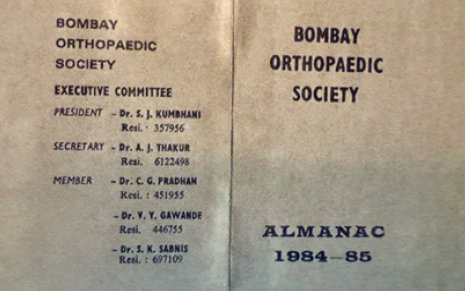
The clinical meetings were initially irregular in frequency and were held as and when it suited the secretary; there was no regular program for the society until 1979. The BOS published the first calendar of events around 1980. It was a fanfold affair, and we used both sides to highlight and advertise the dates of the clinical meetings and postgraduate teaching program. A year later, the first BOS wall planner was published. The first specialized teaching program, “Hand Surgery for Orthopaedic Surgeons” was conceived and held by Dr B.B. Joshi at MGM Hospital, Parel, in 1981.
In 1972, in collaboration with E Merk and Co., we started the “Bombay Orthopaedic Society and Neurobion Mark Fellowship”; Dr A K Talwalkar was the chief motivator in securing cooperation of the pharma company. Two young orthopedic surgeons from anywhere in India are to spend a month in Mumbai and study the work here every alternate year. The other year, two young orthopedics from Western India visited centers in other parts of the country.
Not content with these activities, the society added an annual refresher course for young orthopedic surgeons in 1979, focusing on techniques of fracture treatment and fixation. The same year, we established a photographic slide and audio-tape library, courtesy of Dr K S Masalawala, to help teachers and students pursue studies in orthopedics. The society was associated with establishment and running of Bone Tumor registry and works at the J J Hospital; trauma ambulance service at Sion hospital for speedy and safe transport of severely injured patients; Rheumatic arthritis clinic at Nair hospital, research in rehabilitation technique at KEM Hospital, Polio and Cerebral palsy management at Children’s Orthopaedic Hospital, Haji Ali and All India Institute of Physical Medicine and Rehabilitation also at Haji Ali, Mumbai.
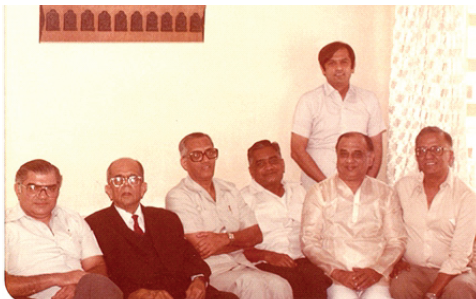
Dr. A K Talwalkar stands out as an outstanding leader to promote new and innovative teaching activities for orthopedic surgeons in BOS and nationwide. His enthusiasm for new teaching activities remained unabated, even in his advanced years (Fig. 1).

Figure 1: Dr. A K Talwalkar’s letter to start a M.Ch. like course under BOS. The meeting of the governing body to approve his suggestions. From left to right: Drs. M N Shahane, A K Talwalkar, K V Chaubal, C G Pradhan, S J Kumbhani, President, W G Ramarao, Standing: Anand J Thakur, Secretary.

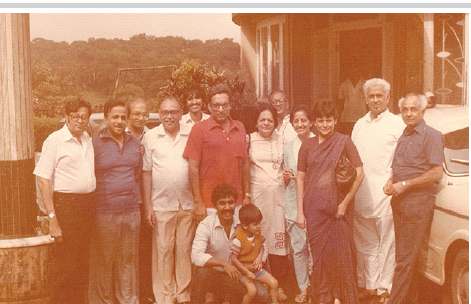
The society maintained an atmosphere from the beginning where young and old, radical and conservative, discussed orthopedics in a free and fearless atmosphere, later mixing it with goodwill and humor. As a result, legendary orthopedic picnics were as much a part of the professional fabric as academic discussions. (Fig. 2)

Figure 2: Picnic at Lonavala. From left to right: Atul Modi, Shabbir Choonia, Naveen Shah, B B Joshi, Unidentified, D D Tanna, Bindu Vora, W G RamaRao, Manju Tanna, Urmila Thakur, L N Vora, G S Chawra. Sitting: Ashok Maniar, Kanishka.

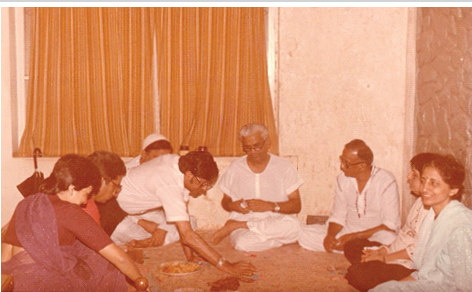
Figure 3: Inevitable gaming session. From left to right: Urmila Thakur, D D Tanna, Atul Modi, Shabbir Choonia, L N Vora, W G RamaRao, Bindu Vora, Manju Tanna.

Figure 4: Precursor of Bombay orthopedic society calendar of events: “Almanac”.

Several times a year, the members spent a weekend in nearby esoteric holiday spots, such as hydro-power generating stations, a niche bungalow in Bombay Harbor under the port trust, a hill station location reserved for the exclusive use of upper echelons of Bombay’s industrial elite, and famed seaside locations. It used to be an all-male affair, except on rare occasions, the families too joined.
In the 1970s, Indian book publishers were not interested in Indian medical literature, and foreign publishers hardly considered India a source for new publications. To provide an impetus to writing on the Indian orthopedic scene, BOS proposed to give an encouragement prize to someone who would write a treatise, a glorified term for the then-common format of writing a thesis for the M.S. Exam. Initially, people used to send their modified M.S. thesis with some additional data and viewpoints. In 1986, Dr. P Chacko of Kochi was the 1st to submit such a work, “Compression plating of long bone fracture – a new technique,” and was given the Best Treatise Award. The situation later improved, and we received printed books as well; BOS created a new award for the Best Book of the year. There was a severe shortage of clinical papers in the world literature from India. The Indian Journal of Orthopedics was not as established as it is now; its publication was irregular and erratic, with a paucity of funds being the leading cause. In 1992, the Journal of Bone and Joint Surgery, British volume, published only two papers from India; the American volume never accepted any of our papers. The BOS created the Publications Recognition Award to overcome this lacuna.
In 1980, BOS hosted the Silver Jubilee celebrations of the Indian Orthopaedic Association. In the initial 25 years, there had never been a suitable time to hold that meeting in Mumbai; however, the Silver Jubilee was celebrated in grand style at the Taj Mahal Hotel in Apollo Bunder, Mumbai, with nearly 900 delegates attending from across the nation.
During the initial years, BOS members made substantial contributions to the orthopedic cause at the national level. 7 BOS members served as IOA presidents: A.K. Talwalkar 1959, M V Sant 1965, K T Dholakia 1967, K S Masalawala 1970, L K Ananthanarayanan 1974, B B Joshi 1979. Dr. W G. Ramarao served as the secretary from 1979 to 1981. Dr. A K Talwalkar, on a personal level, engaged with Johnson and Johnson to establish a national travelling fellowship for Indian orthopedic surgeons. In Mumbai, Dr. Talwalkar hosted the fellows at his expense, and he continued to lead the program between 1963 and 1973. Later, Dr. W G Ramarao led from 1974 to 1978. Dr. A K Talwalkar also organized a Smith and Nephew U K travelling fellowship for Indian Orthopedic surgeons.
The Bombay Orthoptic Society celebrated its silver jubilee in 1989 at the Taj Mahal Palace Hotel, Mumbai. Dr. Vijay Gavande was the secretary.
Over the first 25 years, the society experienced robust growth in all aspects of orthopedic surgery. It helped in the dispersal of orthopedic knowledge in a very special way, elegantly expressed as:
एक हमीं हैं जो आँखों से पिलाते हैं
यू कहने को दुनिया में मयख़ाने हज़ारों हैं —शहरयार


How to Cite this Article: Bombay Orthopaedic Society: Founding Years – 1965 to 1990. Journal of Clinical Orthopaedics. July-December 2025;10(2):6-8.

 (Article Text HTML)  (Download PDF)

Translate this page into:

W.I.R.O.C. Story Direct Dil se !

BOS-JCORTH | Journal of Clinical Orthopaedics | Vol 10 | Issue 2 | July-December 2025 | page: 09-13 | Rujuta Mehta

DOI: https://doi.org/10.13107/jcorth.2025.v10.i02.756

Open Access License: CC BY-NC 4.0

Copyright Statement: Copyright © 2025; The Author(s).

Submitted Date: 3 Oct 2025, Review Date: 12 Nov 2025, Accepted Date: 21 Nov 2025 & Published Date: 10 Dec 2025


Author: Rujuta Mehta [1, 2, 3, 4]

[1] Department of Paediatric Orthopaedics, Nanavati Max Super Specialty Hospital, Mumbai-56, Maharashtra, India.
[2] Department of Paediatric Orthopaedics, Jaslok Hospital, Mumbai-56, Maharashtra, India.
[3] Department of Paediatric Orthopaedics, Surya Child Care, Mumbai-56, Maharashtra, India.
[4] Department of Paediatric Orthopaedics, Shushrusha hospital, Mumbai-56, Maharashtra, India.

Address of Correspondence

Dr. Rujuta Mehta
Consultant, Department of Paediatric Orthopaedics, Nanavati Max Super Specialty Hospital, Jaslok Hospital, Surya Child Care, Shushrusha Hospital, Mumbai-56, Maharashtra, India.
E-mail: rujutabos@gmail.com


“Sometimes you will never know the value of a moment until it becomes a memory.” — Dr. Seuss

Nostalgia is a powerful emotion, it brings back the people, places, and moments that shaped us. It brings into perspective significant events that leave deep imprints in the mind. Memories which are etched forever as a time stamp. They remind you of who you were, how far you’ve come, and what you still hold dear. I am both elated and humbled by this responsibility, especially since I have to trace back countless memories about WIROC and what it means to the entire Bombay Orthopaedic society.
Western India Regional Orthopaedic Conference actually embodies the ethos of the culture of BOS. It is reminiscent of the original name of the region that it grew out of. Established in 1965 Bombay Orthopaedic Society was a collective of founder members from Mumbai and the surrounding region within Mumbai province. Bombay Province comprised of Mumbai – rest of Maharashtra, Gujrat and Goa. Since BOS was geographically situated in Western India, it was apt to name the conference Western India Regional Orthopaedic Conference W.I.R.O.C. The inaugural WIROC was held in Mumbai in November 1966. The meeting was spread over two days. In order to get more surgeons interested in the specialty, it was planned to hold such a conference annually and generally out of Mumbai. Orthopaedic surgeons from various parts of Maharashtra, Gujarat, Karnatak and Madhya Pradesh became members. Delegates travelled to Pune, Nashik, Sholapur, Ahmedabad, Vadodara, Mahabaleshwar and Mount Abu for annual conference till almost 1986. Following this it was passed in the AGM that WIROC be permanently stationed in Mumbai and be organised by Mumbai members.
Over the last 60 years WIROC has become an event of the magnitude of a mini “Kumbh”. It is a confluence of doyens and the dawning surgeons, young and old, brilliant achievers and novices, path breaking research and innovations and the ultimate litmus test of peer review of your scientific work. It has been the leader of orthopaedic conferences in the country which set the tone and standard for showcasing talent, amalgamating industry and doctors on a common platform for fruitful interaction. WIROC has always been renowned for its crisp conduct, top notch academics, state of the art updates, practice changing ideas, and the pinnacle of excellence. The event is a reflection of the legacy created by our pioneering stalwarts and seniors who were trailblazers in the field of orthopaedics. But did it become a sensation and brand Icon overnight? Let’s take a look at its evolution and noteworthy milestones over 6 decades.

Flagship plenary sessions

                                                        Orations
                                       Late R J Katrak Oration:
This is the highest honour conferred upon an orthopaedic surgeon and a speaker of great repute by the Bombay orthopaedic society. It is fortitude that the founder of the society himself was there in person as the chair of the oration. It is a statute now that this oration is to be presided by the President of that year. Dr. B. Mukhopadhyay of Patna was the first Katrak Orator. For few initial years only outsiders of repute were invited as Katrak Orators. In course of time, as the body of work in each branch of orthopaedics grew substantially – Katrak Orators are now drawn from members of BOS, both from and outside Mumbai but preferably form within the Bombay Orthopaedic Society and its own members.

                          Late K T Dholakia Eponymous lecture:
In 1978. Dr K T Dholakia, the first ever Indian to receive summit this pinnacle of achievement in the world: was elected to the high office of the President of Societe lnternationale De Chirurgie Orthopedique Et De Traumatologie (SICOT). At the felicitation function it was proposed to institute KT Dholakia Lecture, to be delivered every other year on a subject of Basic Science as related to Orthopaedics. WIROC thus had an oration and an eponymous lecture and a variety of other programmes. Dholakia Lecturer speakers need not be restricted to form within the BOS and may also be from within allied specialities. The Dholakia lecture is always presided by the Vice President.

                                 Late A K Talwalkar Symposium
A flagship best paper prize was commenced at WIROC in legendry Dr Arvind Keshav Talwalkar’s honour in 1974, as he was an outstanding and enterprising surgeon of immense fame and glory to the BOS. In 1996 it was passed in the AGM to commence a symposium dedicated to trauma in his memory, due to his dedication to trauma and innovation. The BOS general body had unanimously passed that this symposium will be beyond the purview of a sponsor and the society itself would year after year hold the symposium as a legacy of Dr Talwalkar.

                            Late K S Masalawala best paper award. –
In 1995, senior members of B.O.S. suggested that Best Paper Award be named after Dr Keiki S Masalawala posthumously, to perpetuate his memory and recognise his contribution both in Nair and JJ hospitals. From WIROC 1996 Best Paper Award was rechristened the Dr. Keki Sorabji Masalawala Best paper award, from amongst the top-ranking papers in each of the various orthopaedics specialities, i.e. Trauma, spine, paediatric ortho, onco ortho, arthroplasty, arthroscopy and general ortho.

                                           Young Surgeons Forum:
Bombay Orthopaedic Society started Y.S.F. to encourage young orthopaedic surgeons who had promise : to bring to centre stage orthopaedic work of either an unusual/original/authentic theme, constitute a nature of serious clinical research deemed to be of valuable contribution. This was usually awarded to one or two Orthopaedic Surgeon under 40 Years age- now rectified to 45 years.

                                              Veteran Surgeons Forum
In 2003, the AGM decided that instead of granting two young surgeons forum awards, one 20-minute slot was then chosen to be VSF or Veteran Surgeons Forum, as several of the veterans were actually doing a lot of spectacular work and that needed to be showcased. The criteria were same as YSF, and age limit now is above 45 years.

                            Other features that make WIROC Vibrant
With each passing year new sessions were added which contributed richly to enhancing the flavor of varied knowledge portals. Focused Symposia, Round table conferences, Free papers, Presidential Guest lectures, Debates, PG activities, Posters, , cradle to grave conclaves ,Master talks -Guru Gyan, What an Idea sirji , Book launch – award, Publications ,Live workshops, Video techniques , technology and social media sessions , practice changing ideas and tips and tricks, Complications, P G sessions, debates, quizzes ,Medico legal sessions , non-academic talks , Trade sessions, Alumni meets , Virtual reality studios, selfie points , camaraderie, banquet and fellowships , F and B , sports , entertainment, events for spouses and accompanying persons- above all team work and social interaction. It is the vibrance of Wiroc and this constant reinventing that keeps the interest of the delegates and faculty alive and ticking.

                                           Establishing Brand Value:
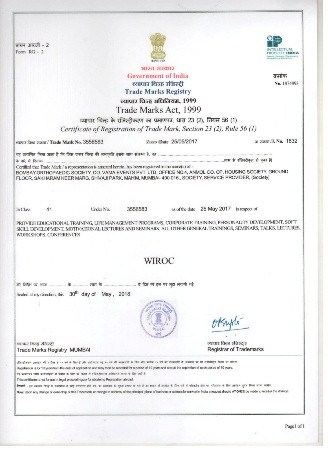
Financial importance of WIROC have been steadily progressive. The purpose of Wiroc once upon a time was to run the basic expenditure of the Bombay orthopaedic society. It then grew into a small profit-making annual event multiplying steadily each year in an exponential fashion. The handsome profit scaled up by a phenomenal leap in 2009. Over the years it has been multiplying and growing in scale and potential from a few thousands in the 60’s to crores from 2018 onwards and in the future the sky is the limit. Thus, BOS gained substantial financial security which enables various other activities around the year. This financial security is now the heart and pulse of sustenance of the BOS. WIROC became a registered trademark in 2017, a feat not very many conferences or societies can boast of.

WIROC Trade mark Registration

But brand value is not just about fiduciary stability. Associations around the country emulate and incorporate several sessions based on WIROC success into their own satellite conferences and invite the talent pool of WIROC speakers nationally and internationally. It’s an icon of crisp academics, on time sessions, superlative knowledge exchange and great social bonding. It truly has a brand value beyond measure. It’s a conference that evolves and invariably runs to packed halls where everyone listens with rapt attention. Frank and fair questions with threadbare discussion, great interaction and networking, rigorous time keeping, less fanfare and more science and litmus test of peer acceptance are the hall marks of WIROc.

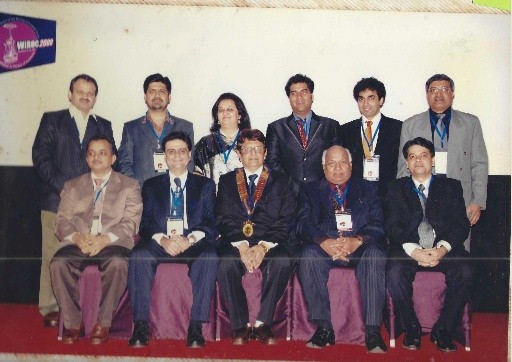
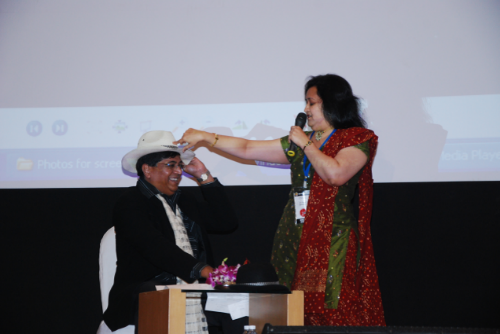
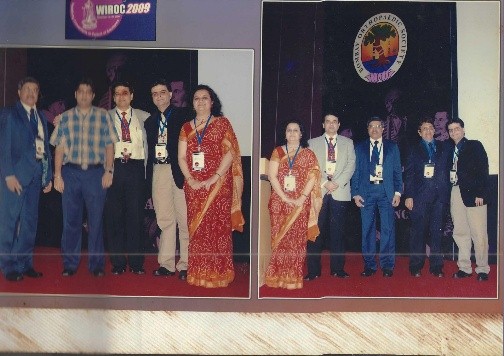
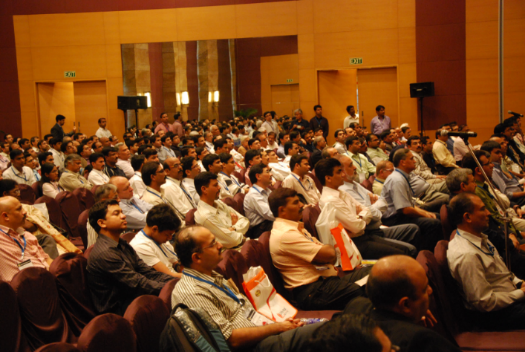
                                  Glimpses of WIROC 2009
Personally, WIROC for me has been a beacon of a true legacy handed over year after year, a heirloom or a symbol of trust, excellence and tradition. I have been fortunate to organize it in 2009, a journey of courage, responsibility, growth and a celebration of life itself. It trained me for higher responsibilities, taught me the importance of group dynamics and how to balance them and consolidate the purpose of the meeting, and how to set and achieve a goal without deviating no matter what.! We published the blue book for conducting WIROC the first time after 2009 which was then amalgamated in the Best Practices book for the society by Dr Anand Thakur and Dr Rajesh Gandhi subsequently. It moulded me into the framework of the Bombay orthopaedic society completely – and the event truly lived up to its tag line “Redefining conventions in pursuit of excellence “.

EC of .2009 at Wiroc 2009 inguration


WIROC 2009 Entertainment

First woman organizing Secretary WIROC 2009.

Packed halls. Wiroc 2009

Other memorable WIROC’s For me over the years

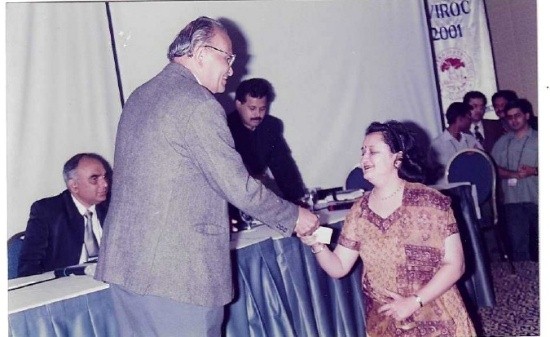
Winning my first K S Masalawala best paper in 2001

Young surgeons Forum 2010

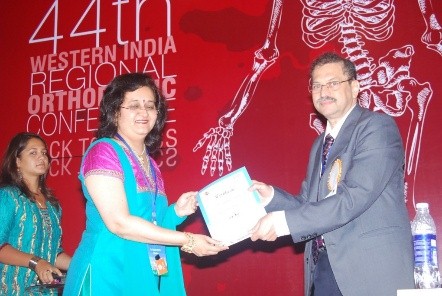
Winning the Prestigious K S Masalawala best paper at the Golden Jubilee Wiroc 2015

Presidential Theme Symposium as first woman secretary of BOS

Wiroc 2021 – as first lady vice president.

Late AKT symposium convener Wiroc Max 2022

From the nay sayers to the purists from the guru’s to the disciples , Wiroc is the ultimate Litmus test which grew from strength to strength from 1 hall to 5 halls at times and became a force to reckon with over the last 60 years and may its tribe only increase with greater “ubuntu” meaning I am because we are !
WIROC is traditionally the President ‘s prerogative which is entrusted to the senior EC members to organize. It moulds them truly into leadership roles surrogately under his (as we are yet to have the first woman president yet) watchfully eye. As the flame passes on this year to the next generation of young bright and promising and responsible orthopaedic surgeons – I pray for the flame to glow brighter and brighter and illuminate the orthopaedic world always.

Penned by Dr. Rujuta Mehta

“Aastu “


How to Cite this Article: Mehta R. W.I.R.O.C. Story Direct Dil se ! Journal of Clinical Orthopaedics. July-December 2025;10(2):09-13.

 (Article Text HTML)  (Download PDF)

Translate this page into:

From Lockdown to Learning: The Western India Regional Orthopedic Conference Unlocked Experience

BOS-JCORTH | Journal of Clinical Orthopaedics | Vol 10 | Issue 2 | July-December 2025 | page: 24-27 | Mandar Agashe, Satish Mutha

DOI: https://doi.org/10.13107/jcorth.2025.v10.i02.262

Open Access License: CC BY-NC 4.0

Copyright Statement: Copyright © 2025; The Author(s).

Submitted Date: 11 Jul 2025, Review Date: 08 Aug 2025, Accepted Date: 10 Sep 2025 & Published Date: 10 Dec 2025


Author: Mandar Agashe [1, 2, 3], Satish Mutha [4, 5]

[1] Department of Orthopaedics, Agashe Hospital, Kurla, Mumbai, Maharashtra, India.
[2]Department of Orthopaedics, SRCC Children’s hospital, Haji Ali, Mumbai, Maharashtra, India.
[3]Department of Orthopaedics, BJ Wadia Hospital, Parel, Mumbai, Maharashtra, India.
[4]Department of Orthopaedics, Siddhi Nursing Home, Vakola, Mumbai, Maharashtra, India.
[5]Department of Orthopaedics, PD Hinduja Hospital, Khar, Mumbai, Maharashtra, India

Address of Correspondence

Dr. Mandar Agashe,
Department of Orthopaedics, Agashe Hospital, Kurla, SRCC Children’s Hospital, Haji Ali, BJ Wadia Hospital, Parel, Mumbai, Maharashtra, India.
E-mail: mandarortho@gmail.com


Editorial

In March 2021, amidst an atmosphere of uncertainty and cautious optimism, we undertook the monumental task of organizing Western India Regional Orthopedic Conference (WIROC) 2021 in Mumbai. This was not just another academic gathering – it was a symbol of resilience, scientific progress, and professional solidarity. Occurring in the narrow window between the first and second waves of the COVID-19 pandemic, WIROC 2020 Unlocked (so-named as WIROC 2020 due to it being in financial year 2020-21) emerged as one of the first major medical conferences in India to be held physically after the initial lockdowns and restrictions.
As the Organizing Secretaries, led by our extremely supportive and ever-resilient Organizing chairman (and BOS President) Dr. Shubhranshu Mohanty, we were driven not just by duty, but by a deeper conviction: The orthopedic community needed to reconnect – not just virtually, but in person. After a long period of webinars and virtual meets, it was very important to have the personal human touch. The pandemic had isolated us, strained hospital systems, and transformed our professional lives. The time was ripe to reignite collaboration, share experiences, and reinvest in learning and teaching.

Conceptualization: More than Just a Conference
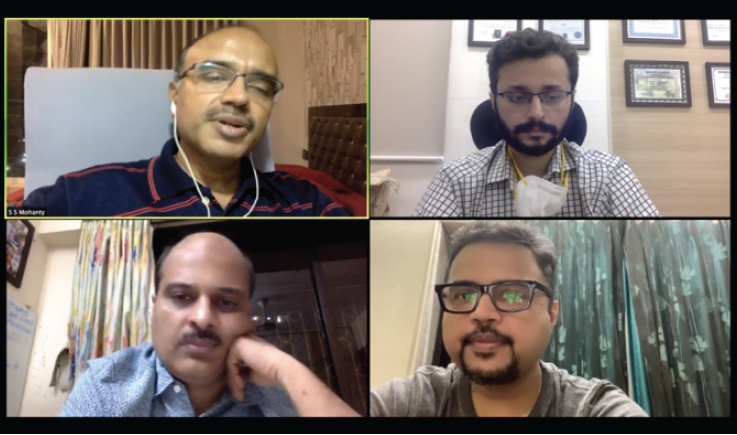
In September 2020, when Dr. Mohanty first proposed the idea of holding a physical in-person WIROC, we were met with a mix of enthusiasm and apprehension (Figure 1). While the desire to resume academic activities was unanimous, the shadow of the pandemic loomed large. The first COVID-19 wave was just subsiding, and the medical fraternity was exhausted. Planning a physical conference felt ambitious – some even called it reckless. We still remember the calls from very senior orthopedic surgeons who, in their gentle (and some not-so-gentle words), tried to dissuade us from even thinking of such a thing.

Figure 1: The first zoom meeting about the concept of Western India Regional Orthopedic Conference (WIROC) unlocked with Dr. SS Mohanty (BOS President), Dr. Swapnil Keny (BOS General secretary), Dr. Mandar Agashe, and Dr. Satish Mutha (WIROC secretaries).

Yet, we believed that with the right precautions, strategic planning, and unwavering commitment, we could pull it off – not just as an event, but as a beacon of revival.
The decision to proceed was not made lightly. We consulted infectious disease experts, epidemiologists, hospital administrators, government officials, and colleagues. What convinced us to move forward was the shared longing among orthopedic professionals to engage, learn, and connect after a prolonged period of isolation. We named our conference “Unlocked” as we wanted to unlock our lives after the unnerving Lockdowns and bring about a sense of normalcy after this devastating period.

Planning in A Pandemic: Navigating Uncharted Territory
Unlike traditional conference planning, organizing WIROC 2021 demanded that we rethink everything – from venue logistics to travel arrangements, delegate safety to session formats. Every detail required a COVID-aware approach. Our trusted team at VAMA events – Mr. Vikram Patwardhan, Mr. Vaibhav, and others also were supremely helpful in finding and keeping all rules in abeyance for the event – something which most were not aware of.
The second wave of COVID 19 started around February 2021 and almost put a spanner in the works. With the ever-increasing COVID numbers, there was some skepticism in the air, but we had full confidence in our preparations and our ability to pull off this seemingly impossible task. There were some hiccups with the constantly changing governmental and BMC rules just few days before the conference. However, Vikram and team VAMA ensured that everything was sorted and all precautions were taken.
We tried to make our conference as “COVID-proof” as possible by the following means:

Safety protocols
Our first priority was health and safety. We worked closely with local health authorities to design protocols that followed standard government guidelines. This included:
• Reverse transcription-polymerase chain reaction testing and temperature screening for all attendees
• Mandatory mask-wearing and hand sanitization stations across the venue
• Social distancing enforced in lecture halls with reduced seating capacity
• Controlled movement flows to avoid crowding in exhibition areas and dining zones
• We also provided on-site medical assistance and a dedicated isolation room in case of emergencies.

Hybrid format
WIROC 2020-Unlocked was probably the first conference which utilized the hybrid model of delivering high-quality education from distant parts of the world and coordinating it with live physical lectures. We coordinated with many premier institutes around the world such as the King’s college, London, Mayo Clinic, Rochester, Rady Children’s hospital, San Diego, and many more. This ensured that international faculty and those unable to attend in person could still participate. While this added a layer of logistical complexity, it was essential for inclusivity and safety. Our AV team led by the maverick Mr. Peter Anand was up to the task and ensured a seamless experience both to the overseas faculty as well as the delegates sitting in the auditorium.

Venue and infrastructure
We selected a venue that offered spacious halls with excellent ventilation, open-air dining arrangements, and advanced tech infrastructure to support live streaming. The Rennaisance convention center proved to be a perfect place for this conference and the team really bent over backwards to see to it that all rules and protocols were followed and no mishaps occurred. Collaborating with AV teams, we rehearsed extensively to ensure seamless hybrid delivery, pre-recorded presentations, and real-time interactions with virtual faculty.

The Day Arrived: The Thrill of Reuniting
Despite the countless hours of planning, nothing could prepare us for the energy that filled the halls on the opening day of WIROC 2020. There was a palpable sense of joy and gratitude among delegates. For many, this was their first in-person meeting in over a year. Old friendships were rekindled, new ideas exchanged, and the communal passion for orthopedics reignited.

Highlights included
Keynote lectures from national and international stalwarts in orthopedics, including live Q&A with overseas speakers joining remotely.
Interactive workshops and symposia conducted with stringent hygiene protocols.
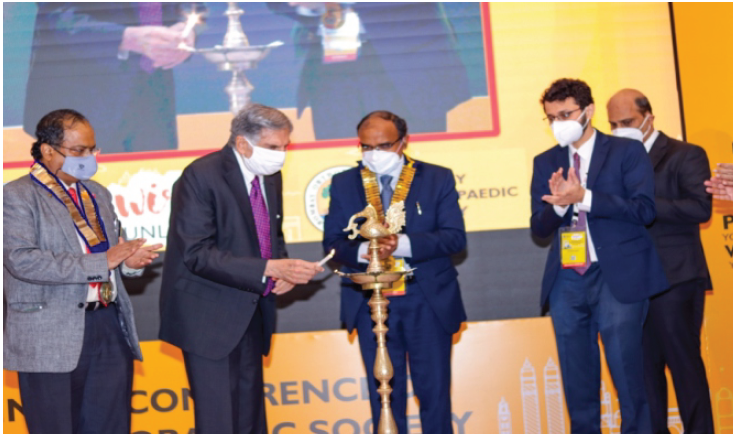
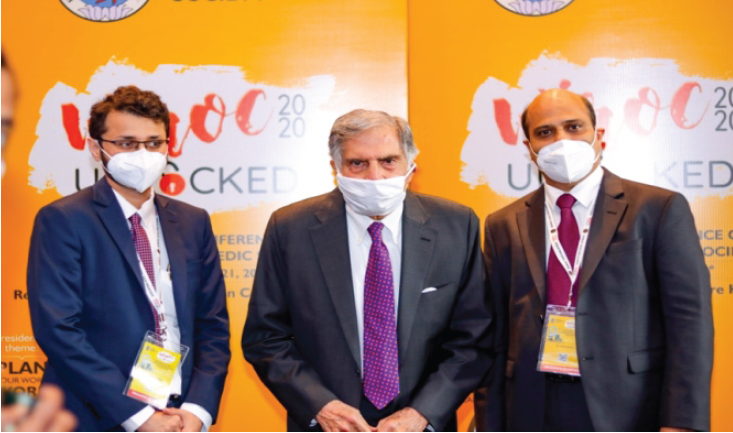
Inauguration by the legendary Padma-Vibhushan Mr. Ratan Tata (Figure 2 and 3).

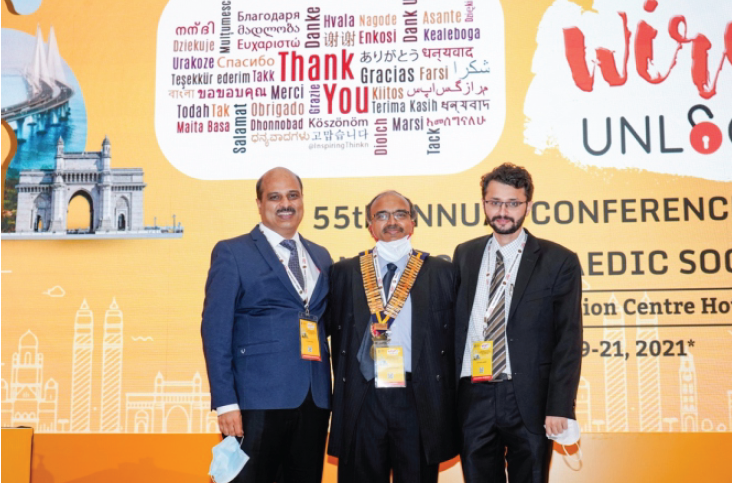
Figure 2: Inauguration ceremony by Padma Vibhushan Mr. Ratan Tata, IOA President Dr. Shivashankar, BOS President and Western India Regional Orthopedic Conference (WIROC) Organising chairman Dr. SS Mohanty, and WIROC secretaries Dr. Mandar Agashe and Dr. Satish Mutha.

Figure 3: Padma Vibhusan Mr. Ratan Tata with Dr. Mandar Agashe and Dr. Satish Mutha.

Presidential guest lecture by famous author, thinker, and social commentator, Mr. Chetan Bhagat.
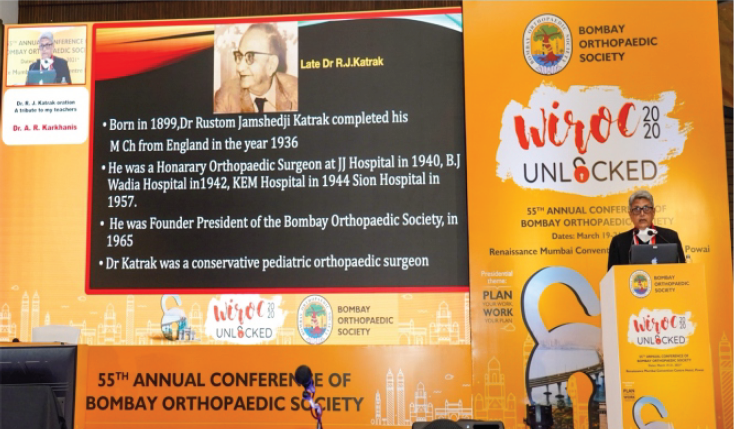
Masterful orations by Dr. AR Karkhanis (Dr. RJ Katrak Oration) (Figure 4) and Dr. Daryl D’Lima (Dr. KT Dholakia eponymous lecture).
Sessions on telemedicine, mental health, and the future of orthopedic care in a post-COVID world, which resonated deeply with attendees.
In many ways, the conference became therapeutic – a safe space for the community to reflect, recharge, and move forward together.

Figure 4: Dr. AR Karkhanis delivering the prestigious Dr. RJ Katrak oration.

Overcoming Challenges: Grit, Teamwork, and Innovation
The road to WIROC 2021 was anything but smooth. Every phase presented unprecedented challenges, demanding flexibility, rapid problem-solving, and emotional strength.

Uncertainty and fear
With COVID-19 cases fluctuating and the possibility of a second wave looming, every week brought new anxieties. Hotels, sponsors, and even delegates were hesitant. We had to maintain constant communication, update contingency plans, and assure all stakeholders of our preparedness.

Sponsorship and funding
The economic impact of COVID-19 meant that sponsorship budgets were limited, and convincing partners to invest in an uncertain event was challenging. We adopted a lean financial model, reduced frills, and focused on value-driven content. Sponsors who did come on board appreciated the brand visibility in a high-impact, pioneering event.

Delegate and team morale and teamwork
Many on our team were frontline workers who had been battling the pandemic first-hand. Balancing conference duties with professional and personal commitments was tough. Yet, the shared purpose gave us strength. The dedication of the team, support staff, and committee members was extraordinary. We were bound by a common belief: this mattered.

Legacy and Reflection
WIROC 2021 was not just a successful academic event; it was a symbol of what is possible when purpose, planning, and passion align. It reminded us that even in times of crisis, the medical community can rise, adapt, and lead. Our Chairperson, Dr. SS Mohanty’s vision of re-starting and in fact “unlocking” our lives post the pandemic in a safe manner was fulfilled and this served as a template for future conferences to emulate (Figure 5, 6 and 7).

Figure 5: Team VAMA led by Mr. Vikram Patwardhan and ably supported by Mr. Vaibhav Pisal, Mr. Pramesh, and others did a stellar job in making it happen.

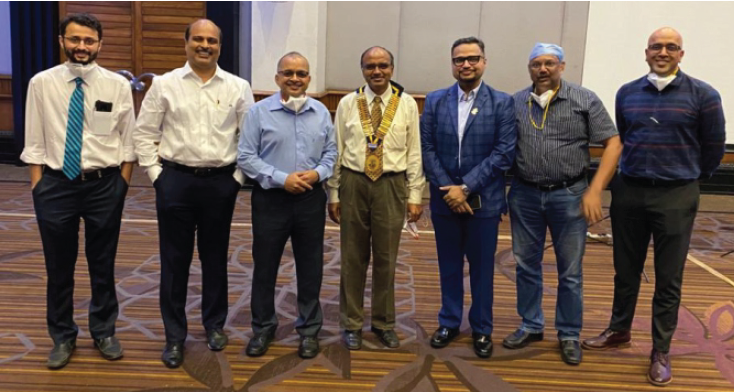
Figure 6: The ever-supportive BOS Executive council- (from L to R)- Dr. Mandar Agashe, Dr. Satish Mutha, Dr. Sangeet Gawhale, Dr. SS Mohanty, Dr. Swapnil Keny, Dr. Harshad Argekar, and Dr. Ashish Phadnis (Missing in picture: Dr. Sunil Shahane, Dr. Gautam Zaveri, Dr. Ashok Shyam, Dr. Abhijit Kale and Dr. Vishal Kundnani)

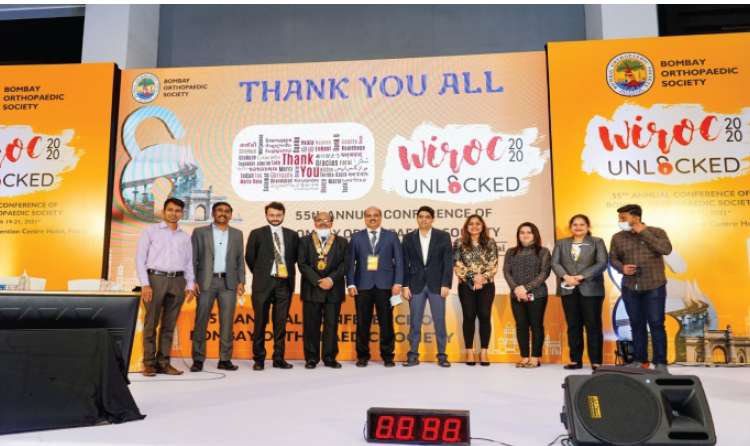
Figure 7: ….. And we did it…. The look of relief on our faces at the end of Western India Regional Orthopedic Conference 2020 Unlocked…….The team signing off…..!!.

On a personal note, for both of us, WIROC 2021 was one of the most challenging yet fulfilling projects of our careers. It demanded everything – vision, stamina, negotiation, humility, and leadership. But the smiles, the gratitude, the shared learning – it made it all worth it.
Looking back, I see not just a conference, but a moment in history. We helped script a new chapter for academic medicine in India, proving that with courage and collaboration, even the impossible can become a reality.


How to Cite this Article: Agashe M, Mutha S. From lockdown to learning: The Western India regional Orthopaedic conference unlocked experience. Journal of Clinical Orthopaedics. July-December 2025;10(2):24-27.

 (Article Text HTML)  (Download PDF)

Translate this page into:

The Journey of JCORTH: From Vision to Validation

BOS-JCORTH | Journal of Clinical Orthopaedics | Vol 10 | Issue 2 | July-December 2025 | page: 04-05 | Nicholas Antao, Ashok Shyam

DOI: https://doi.org/10.13107/jcorth.2025.v10.i02.752

Open Access License: CC BY-NC 4.0

Copyright Statement: Copyright © 2025; The Author(s).

Submitted Date: 7 Sep 2025, Review Date: 15 Sep 2025, Accepted Date: 12 Oct 2025 & Published Date: 10 Dec 2025


Author: Nicholas Antao [1], Ashok Shyam [2]

[1] Department of Orthopaedics, Holy Spirit Hospital, Mumbai, Maharashtra, India.
[2] Department of Orthopaedics, Sancheti Hospital, Pune, Maharashtra, India.

Address of Correspondence

Dr. Ashok Shyam
Department of Orthopaedics, Sancheti Hospital, Pune, Maharashtra, India.
E-mail: drashokshyam@gmail.com


Editorial

The year 2025 marks a Significant meaningful milestone—not only for the Bombay Orthopaedic Society (BOS), which celebrates the 60th WIROC, but also for the Journal of Clinical Orthopaedics (JCORTH). This year, the journal has been officially accepted into the Directory of Open Access Journals (DOAJ), a recognition that affirms its adherence to global publishing standards and makes it eligible for MCI/NMC promotion criteria. That this achievement coincides with the diamond jubilee WIROC makes it all the more significant: it symbolizes both continuity and renewal, tradition and progress, roots and aspirations.

The Beginning: A Vision Supported by BOS Leadership
When JCORTH was conceived in 2016, it began as a shared belief that BOS needed a dedicated platform for clinically relevant, open-access, ethically robust orthopaedic scholarship—a journal that represented the intellectual voice of one of India’s oldest and most respected orthopaedic societies.
This vision could not have materialised without the wholehearted support and encouragement of the BOS leadership of that year. We gratefully acknowledge:
• Dr. Sanjay Dhar, then Secretary of BOS, whose clarity, enthusiasm, and administrative insight helped translate the idea into reality.
• Dr. Aseem Parikh, then President of BOS, who supported the proposal, provided both strategic guidance and confidence, and ensured that the journal began with a strong institutional foundation.
Their trust in the concept of JCORTH laid the cornerstone on which everything else stands today.
We also extend our sincere appreciation to the entire BOS Executive Committee (EC) over nearly a decade. Each team—year after year—strengthened the journal through their encouragement, oversight, and belief in its purpose. Every EC has in some way contributed to this milestone, and DOAJ indexing is as much their achievement as it is the journal’s.

The Early Years: Building a Clinical, Open and Meaningful Platform
From its inception, the journal followed three core principles:
1. Free and Open Access – ensuring that orthopaedic knowledge remained available to every surgeon, irrespective of institutional or financial constraints.
2. Clinical Relevance – welcoming real-world orthopaedic research, experience-based insights, surgical techniques, case series, and practice-oriented papers that address the realities of care in India and similar regions.
3. Quality and Ethics – adopting double-blind peer review, structured editorial processes, and transparent publication guidelines.
4. Innovation – new and inspiring sections like Interviews with BOS Legends, Perspectives and pot pourrie added to the personality of the journal making it more engaging
These principles allowed JCORTH to evolve into a journal that truly reflects the breadth and depth of Indian clinical orthopaedics.
Over the years, the journal gained steady traction—its submissions grew, its reach expanded, and its readership diversified. Authors, reviewers, and contributors trusted JCORTH even when it was still finding its place among established platforms. We specially thank all the foreign authors for their contributions and now that the journal is indexed we hope they will continue their support by more contributions.

A Milestone Moment: DOAJ Indexing
The acceptance of JCORTH into DOAJ marks a defining point in its journey. DOAJ recognition validates:
• adherence to international standards of open-access publishing,
• strong editorial and peer-review processes,
• commitment to transparency, quality, and academic ethics.
It also means that JCORTH articles become more discoverable, citable, and academically recognised, bringing meaningful credit to authors, institutions, and the BOS community.
For young surgeons, residents, and academicians across India, DOAJ indexing ensures that publishing in JCORTH now carries full weight in professional evaluations and promotions.

Leadership that Carried the Torch Forward
The progress of JCORTH in recent years has been profoundly shaped by the dedication of Dr. Sachin Kale, Dr. Gautam Zaveri, and Dr. Ashish Phadnis—a trio whose combined efforts transformed the journal from a strong foundation into an internationally recognised platform. Under the calm yet resolute stewardship of Dr. Sachin Kale, the journal grew in maturity, academic discipline, and editorial rigour. He strengthened reviewer systems, broadened formats, nurtured inclusivity, and ensured that every issue reflected the BOS philosophy of openness and clinical relevance. Dr. Gautam Zaveri, as the current BOS President, brought vision, academic direction, and strategic encouragement, playing a pivotal role in accelerating the DOAJ indexing process and raising the journal’s visibility across scientific forums. Complementing this, Dr. Ashish Phadnis, as BOS Secretary, provided the administrative clarity, continuity, and relentless follow-through needed to bring the indexing goal to fruition. Their collective leadership along with current EC represents the very best of BOS—collaborative, committed, and forward-looking. The DOAJ recognition is, without doubt, a testament to their shared effort and the collective ownership that defines our society.

A Moment of Pride at the 60th WIROC
As the print edition of JCORTH is unveiled at the 60th WIROC, it stands not merely as a journal but as a symbol of continuity, evolution, and aspiration.
It echoes six decades of BOS heritage, and at the same time, announces a new chapter—where our society’s journal steps confidently onto the international stage, indexed, recognised, and ready for broader impact.
There is a quiet poetry in this alignment: the society that nurtured generations of orthopaedic surgeons celebrates its diamond jubilee, while its journal, born much later, comes of age in the very same moment.

The Road Ahead: Growing With Gratitude and Ambition
With indexing secured, JCORTH now carries a renewed responsibility—to rise higher, reach farther, and remain deeply connected to its roots. The future will see the journal:
• welcoming robust original research and multicentric collaborations,
• engaging with global orthopaedic communities while preserving its Indian soul,
• embracing multimedia and digital learning innovations,
• continuing to celebrate reflective, narrative, artistic, and humanistic writing that shapes thoughtful surgeons.
And through it all, one promise remains unchanged:
JCORTH will stay free, open, inclusive, and clinically meaningful—true to the BOS spirit.

Conclusion: A Call to the Next Generation
The story of JCORTH—from a hopeful idea in 2016 to an indexed journal in 2025—is a story of belief, perseverance, and the power of community.
But this milestone is not an endpoint; it is an invitation.
To the young surgeons of BOS—the residents, the early-career clinicians, the emerging academics—
This journal now belongs to you.
Your ideas, your research, your experiences, your reflections will shape its next decade.
We encourage you to write boldly, question deeply, document passionately, and contribute generously. Let JCORTH be the platform where your voice finds its place and your work finds its audience.
As BOS celebrates 60 glorious years, and JCORTH steps into its new identity, we stand on the threshold of a future filled with possibility.
The foundations are strong. The vision is clear. The torch is now yours to carry.

Dr. Nicholas Antao & Dr. Ashok Shyam
Founding Editors,
Journal of Clinical Orthopaedics


How to Cite this Article: Antao N, Shyam A. The Journey of JCORTH: From Vision to Validation. Journal of Clinical Orthopaedics. July-December 2025;10(2):04-05.

 (Article Text HTML)   (Download PDF)